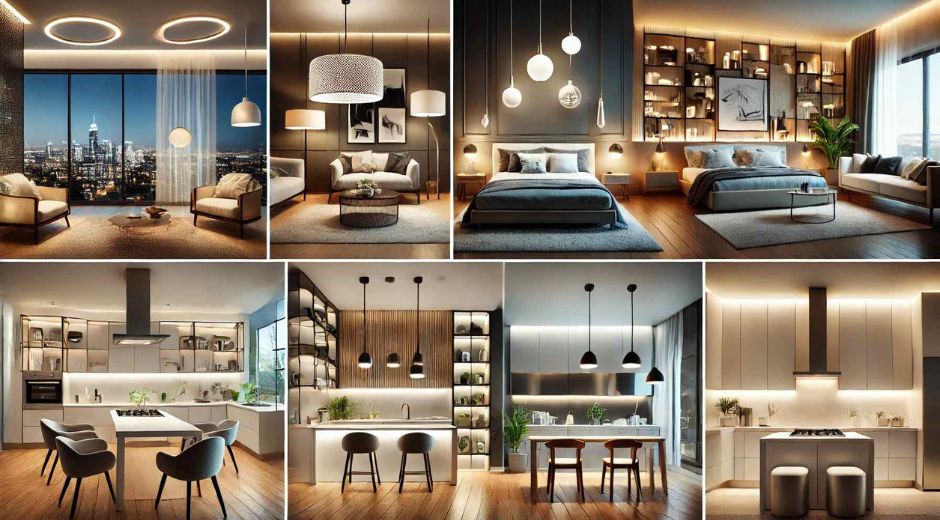
Designing for Light: How Natural Illumination Changes Rooms
Natural light has the power to completely transform a space. From enhancing the aesthetic appeal of interiors to boosting mental well-being, illumination is a vital element in modern home design. Understanding how to harness light effectively can make rooms feel larger, more inviting, and more functional. This guide explores practical tips, design strategies, and innovative solutions to maximize natural light in your home.
The Importance of Natural Illumination
Illumination influences both the mood and functionality of a room. Bright, well-lit spaces can increase energy levels, improve productivity, and reduce stress. According to research shared by BBC Lifestyle, exposure to natural light positively affects circadian rhythms and overall mental health, making it essential for living and working spaces.
Beyond health benefits, strategic illumination enhances interior design elements. Colors appear more vibrant, textures more defined, and architectural features more pronounced when natural light is optimally utilized. It also reduces reliance on artificial lighting, leading to energy savings and environmentally conscious living.
Choosing Window Types and Placements
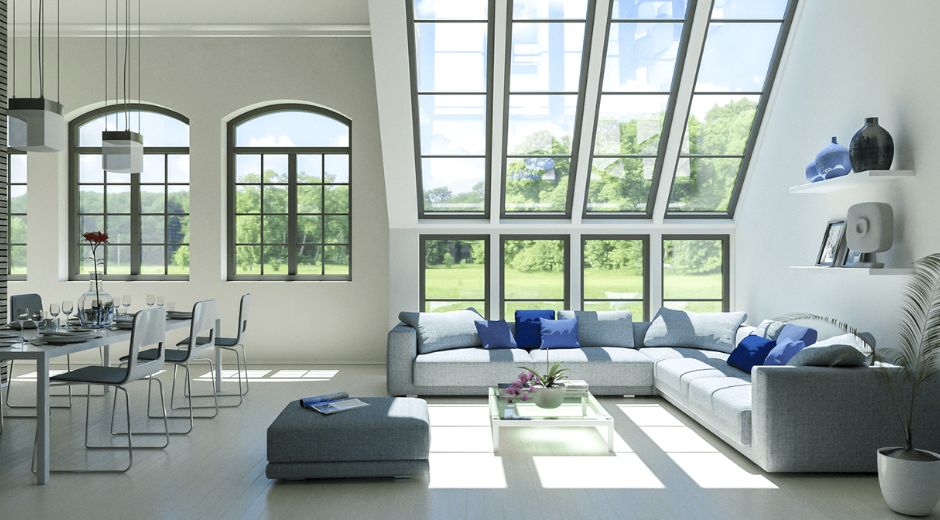
Windows are the most direct source of natural light. The type, size, and placement of windows significantly impact the quality and quantity of illumination in a room. Floor-to-ceiling windows, skylights, and bay windows are excellent choices for maximizing light flow.
Skylights: Perfect for rooms without adequate wall space, skylights flood interiors with soft, even light.
Bay Windows: Extend outward, allowing more sunlight to penetrate deeper into living areas.
Floor-to-Ceiling Windows: Ideal for open-plan spaces, these windows bring the outdoors inside and provide stunning views.
When designing your space, consider the orientation of windows relative to the sun’s path. South-facing windows generally offer the most consistent light throughout the day, while east- and west-facing windows provide dynamic morning and evening illumination.
Reflective Surfaces and Light Colors
Reflective surfaces are a simple yet effective way to amplify illumination. Mirrors, glossy finishes, and metallic accents bounce natural light around a room, making it appear brighter and more expansive. Light-colored walls, ceilings, and furniture further enhance the effect by reflecting rather than absorbing light.
A well-placed mirror opposite a window can double the perceived light in a room. Similarly, polished wood, glass tables, or metallic décor elements contribute to diffusing sunlight efficiently.
Integrating Indoor-Outdoor Living
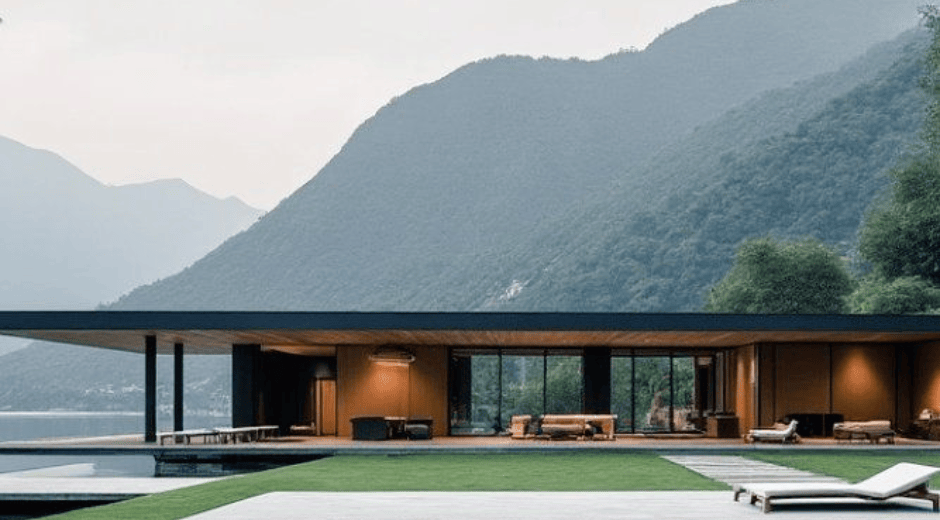
Blending indoor and outdoor spaces is another strategy to enhance illumination. Large sliding doors, retractable glass walls, and patios connected to living areas allow sunlight to penetrate deeper into the home. According to design experts at Metro Property Homes, integrating outdoor views creates a sense of spaciousness and brings a calming, natural element into interior environments.
Outdoor spaces, such as courtyards or small gardens adjacent to rooms, can act as natural light reflectors. Light-colored decking or reflective water features can amplify sunlight, enhancing overall illumination indoors.
Using Translucent Materials
Translucent materials, such as frosted glass panels or sheer curtains, diffuse sunlight without sacrificing privacy. These materials create a soft, even illumination throughout the room, avoiding harsh glare while maintaining brightness.
For areas like bathrooms or home offices where diffused light is preferable, translucent panels can replace solid walls or heavy curtains. Not only does this improve lighting quality, but it also contributes to the modern aesthetic of the space.
Layering Artificial Light
Even with excellent natural light, layered artificial lighting ensures functionality during evenings and cloudy days. Use a combination of overhead lights, task lighting, and accent lighting to supplement natural illumination. For instance, strategically placed LED strips or pendant lights can highlight architectural features, artwork, or functional zones, maintaining the ambiance created by natural light.
Romantichs recommends integrating smart lighting controls that adjust brightness based on the amount of daylight available. This technology enhances energy efficiency and maintains consistent lighting levels throughout the day.
Case Studies and Inspiration
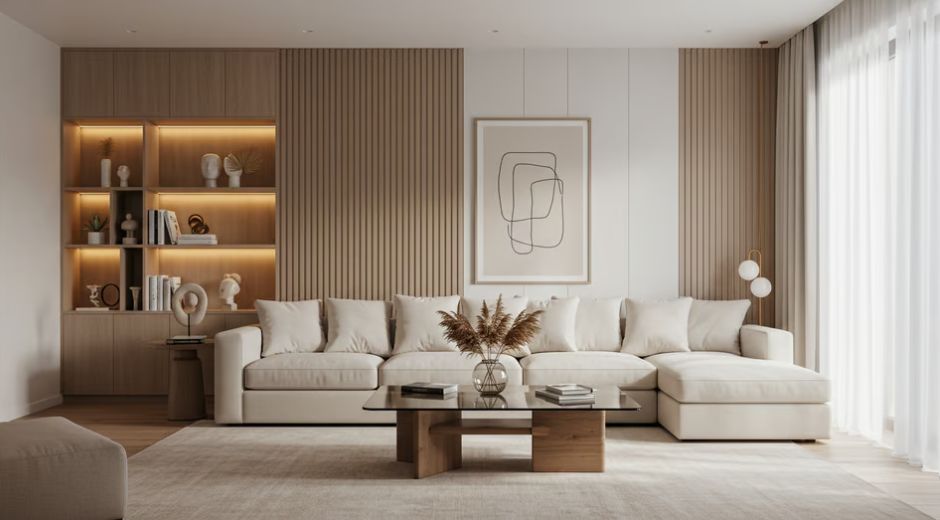
Designers have successfully utilized illumination to elevate interiors in various projects. For example, open-plan kitchens with skylights and glass partitions allow light to flow seamlessly between cooking, dining, and living areas. Similarly, minimalist living rooms with reflective surfaces and light-colored finishes achieve a spacious, airy atmosphere, even in urban apartments.
Incorporating plants into sunlit spaces not only enhances aesthetics but also contributes to healthier air quality. Sun-loving plants thrive in naturally illuminated rooms, making the home feel lively and connected to nature.
Practical Tips for Homeowners
Audit your current lighting: Observe how sunlight enters each room throughout the day. Identify dark corners and areas that require enhancement.
Maximize window potential: Remove heavy drapes and opt for sheer or light-colored curtains. Keep windows clean to allow maximum light penetration.
Use mirrors strategically: Position mirrors across from windows to reflect light deeper into rooms.
Choose light finishes: Walls, furniture, and flooring in light tones amplify illumination.
Integrate indoor-outdoor designs: Consider patios, glass doors, and garden views to extend light into interiors.
Conclusion
Properly harnessing natural illumination can transform the ambiance, functionality, and aesthetics of any space. By carefully considering window placement, reflective surfaces, indoor-outdoor integration, and layered artificial lighting, homeowners can create interiors that are brighter, healthier, and more inviting.
For those looking to explore innovative design ideas or sustainable home improvements, resources like Metro Property Homes provide in-depth guidance. Combining natural light with smart design ensures your home is both beautiful and functional, offering a sanctuary that celebrates nature, style, and comfort. For additional inspiration and expert tips on interior design trends, check out BBC Lifestyle and Romantichs.
Easy steps to Luxury

Urban Balcony Oasis, Turning A Small Exterior Into Your Favorite Corner

Family Friendly Layouts That Keep Everyday Life Practical And Stylish

Rental Ready Makeover Tips Landlords Use To Attract Better Tenants