Every well-designed home begins with a thoughtful plan. Beyond style or décor, the true foundation of comfort and function lies in the smart layout that defines how rooms connect, how people move, and how space adapts to changing needs. Whether you’re renovating or building from scratch, mastering layout intelligence transforms a house into a flexible, efficient, and enjoyable environment.
Understanding the Power of a Smart Layout
A smart layout isn’t about squeezing more furniture into a room. It’s about maximizing usability through intentional design choices. The goal is to create fluid connections between spaces while ensuring every square meter serves a purpose.
Good layouts reduce wasted space, shorten circulation paths, and provide clarity. They’re intuitive and feel natural from the moment you step inside.
The Core Principles Behind Smart Layouts
To create a truly smart layout, designers focus on these essential principles:
Flow, ensuring that movement between rooms feels seamless.
Balance, so furniture and features are proportionate to room size.
Zoning, dividing spaces by purpose without blocking openness.
Efficiency, making sure every area supports daily routines.
Each principle works together to create a layout that feels harmonious and livable.
Zoning for Purpose and Comfort
Zoning is one of the most effective tools in a smart layout. By dividing a home into functional categories—social, private, and service—you reduce interruptions and increase comfort.
For example, grouping bedrooms away from living zones keeps noise levels low. Positioning the kitchen near the entrance simplifies grocery unloading. Aligning bathrooms near bedrooms improves convenience.
Zoning doesn’t always require walls. Rugs, lighting, and furniture placement can create invisible boundaries that support purpose without limiting openness.
Maximizing Natural Light and Ventilation
Homes that follow smart layout strategies are designed to capture daylight and fresh air. Positioning living spaces along window-rich facades increases brightness and emotional well-being.
Natural ventilation also enhances comfort while lowering energy costs. Aligning windows for cross-ventilation ensures a constant flow of fresh air, especially in open-plan interiors.
For real-world examples of strategic lighting and natural ventilation, explore insights on Architectural Digest.
Optimizing Circulation Paths
Circulation—the way people move through a home—is at the heart of a smart layout. Clear, unobstructed pathways make daily routines smoother.
Avoid long hallways that serve no purpose. Keep the main routes wide enough and ensure furniture placement doesn’t create bottlenecks. Movement should feel easy, predictable, and logical.
In compact spaces, strategic furniture choices, such as floating shelves or wall-mounted desks, can open circulation lines without compromising functionality.
Balancing Openness with Privacy
The modern preference for open layouts remains strong, but privacy still matters. Effective smart layout planning finds the ideal balance between the two.
An open living-dining area encourages interaction and freedom, while a tucked-away study or bedroom provides retreat and quiet. Clever positioning, partial dividers, and acoustic materials help maintain privacy while preserving connection.
Designing Flexible, Adaptable Spaces
Flexibility is essential in contemporary living. A smart layout accounts for evolving needs—remote work, guests, children, or future lifestyle shifts.
Multi-purpose rooms, modular furniture, and movable partitions transform homes effortlessly. A guest room can double as an office, a dining area can become a workspace, and a balcony can serve as a reading retreat.
Adaptability is a long-term investment: it keeps your home relevant even as life changes.
Storage as a Layout Strategy
Storage isn’t just about organization—it’s a fundamental part of a smart layout. Built-in shelving, vertical storage, and under-stair solutions free up valuable floor space and maintain visual calm.
Maximizing hidden storage areas also helps reduce clutter, ensuring clear sightlines and improving flow.
You can explore creative built-in storage and space-saving inspiration on CoolParentingTips.
The Importance of Furniture Scale
Even the best floor plan struggles if furniture is poorly scaled. A true smart layout ensures that every piece fits the proportions of the room without overwhelming it.
Large sofas require spacious living areas. Narrow hallways need slim consoles. Dining tables should leave enough room for movement.
Good scale improves aesthetics, comfort, and circulation.
Technology and Smart Home Integration
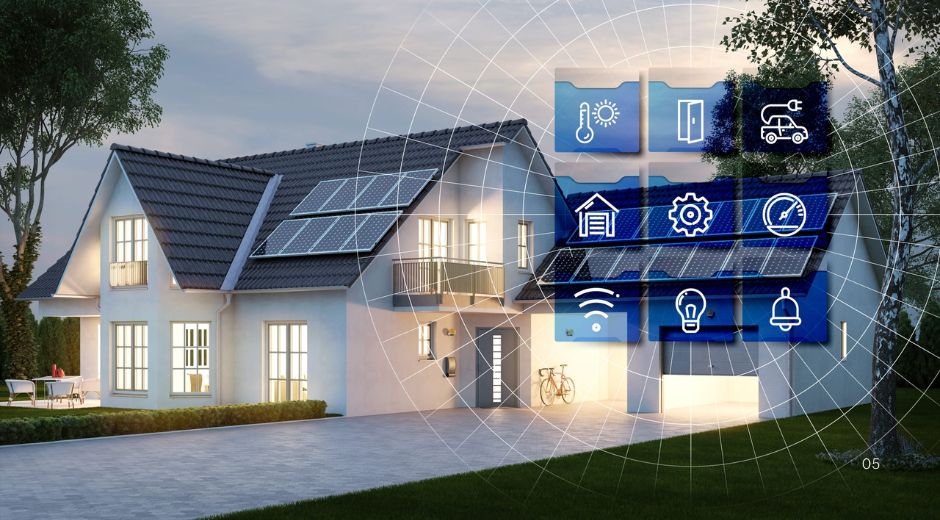
Smart technology elevates a smart layout to new levels. Automated lighting, climate control, and smart zoning help create a responsive, adaptable home environment.
These systems enhance comfort, reduce energy waste, and allow spaces to function seamlessly without visual clutter.
MetroPropertyHomes Guide Insight
At MetroPropertyHomes, every guide is designed to help homeowners make better, more informed decisions. A smart layout isn’t just about beauty—it’s about designing a home that feels supportive, intuitive, and timeless.
Visit the Guides section on MetroPropertyHomes for practical planning tools, renovation tips, and layout templates.
Designing a Home That Works for You
In the end, a smart layout reflects your lifestyle. It blends purpose and comfort into a home that feels natural and personalized. When each room supports your daily rhythm, the entire house becomes a more enjoyable, efficient, and meaningful space.
Smart planning turns architecture into experience. And that is the true definition of a home built intelligently.