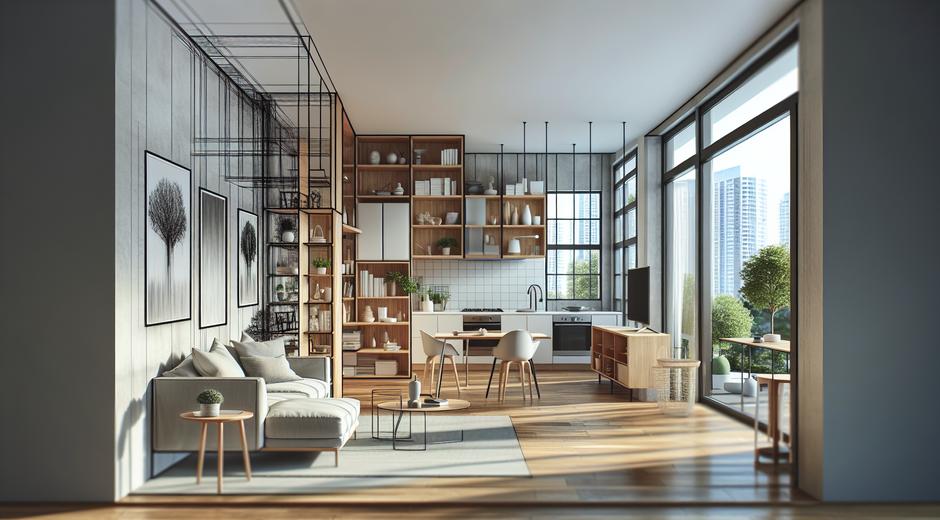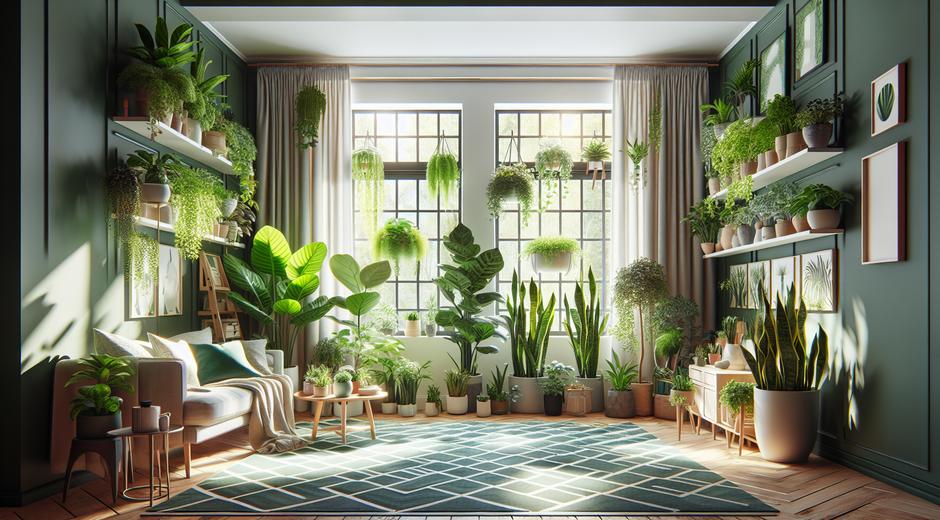


Indoor Green Corners
Why Create an Indoor Green Corner
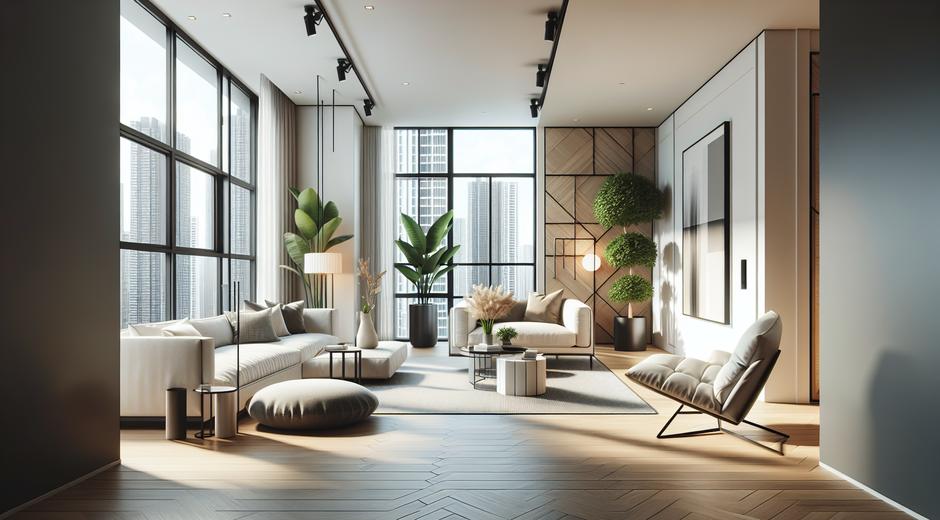
An Indoor Green Corner can transform any room into a calm retreat that encourages relaxation and creativity. Whether you live in a compact apartment or a large house, dedicating a small area to living plants improves air quality and adds a natural focal point. For property hunters and home lovers alike, clever green corners can increase perceived value and set a space apart. If you manage a property listing or want to showcase rooms with personality visit metropropertyhomes.com for ideas and inspiration that pair well with plant filled spaces.
Choosing the Best Plants for Your Corner
Selecting the right plants is the first step to a thriving indoor green corner. Begin by assessing light levels. For bright sun soaked corners choose plants that like direct sun such as some succulents and certain flowering varieties. For northeast or north facing locations choose plants that tolerate low light. Options include snake plant, pothos, zz plant and peace lily. These species are resilient and forgiving for new plant keepers.
Consider scale and texture when mixing plants. Combine tall vertical forms with trailing varieties to create depth. Monstera and fiddle leaf fig bring big tropical leaves that create drama. Pothos and string of hearts provide soft trailing vines that can cascade from shelves or hanging pots. Mixing leaf shapes and sizes keeps the corner visually engaging and prevents monotony.
Placement and Lighting Strategies
Light is the most important element for plant health. Place plants near windows when possible but avoid leaving delicate species right on window glass in very hot months. If natural light is limited consider using full spectrum grow lamps to provide consistent light without heat stress. Rotate plants every few weeks so all sides receive light and growth stays balanced.
Think about vertical space. Installing simple shelving or a multi tier plant stand allows a greater variety of species to thrive in one corner and makes care tasks easier. If space is very tight a single tall plant can create the illusion of height and green density without crowding the floor.
Containers and Soil Selection
Choose containers that suit plant size and room style. Terracotta pots are breathable and ideal for species that prefer drier roots. Glazed pots retain more moisture and work well for plants that need steady hydration. Make sure every container has drainage holes or use a layer of broken pottery and coarse gravel at the bottom to reduce water logging risk.
Use a high quality potting mix appropriate for each plant type. Succulent and cactus mixes drain quickly. Tropical plant mixes hold more moisture and often include organic matter to support root growth. Refresh the top layer of soil every season and repot when roots begin circling the inner wall of the container.
Care and Maintenance Routines
Establish simple routines to keep your indoor green corner healthy. Water according to plant needs rather than on a fixed schedule. Use the finger test to check moisture. Lift pots to learn their weight when dry or moist. Prune dead leaves to encourage new growth and to keep the space tidy.
Fertilize during the active growing months with a balanced houseplant feed. Monitor for pests like mealy bugs or spider mites and treat early with gentle methods such as wiping leaves with a mild soap solution or using neem oil. Quarantine new plants for a few weeks to prevent introducing pests to the rest of your collection.
Styling Tips for a Cohesive Look
A well styled indoor green corner balances plant health with visual appeal. Start with a color or material palette for pots and accessories so the corner reads as intentional rather than random. Natural textures like wood and rattan pair beautifully with greenery and create a warm atmosphere. Mirrors can amplify light and make the corner appear larger by reflecting the plants back into the room.
Incorporate furniture and lighting that complement the plants. A small bench or an accent chair invites use of the space for reading or morning coffee. Soft ambient lighting highlights foliage at night and keeps the corner active around the clock. For additional tech tips and decorative ideas that enhance modern interiors visit Techtazz.com for curated guides and product picks that pair well with urban plant styling.
Health and Wellbeing Benefits
Indoor Green Corners do more than beautify. Plants can reduce airborne dust and certain pollutants while boosting humidity naturally. This can help with respiratory comfort and skin hydration in dry climates. Studies show that being near plants reduces stress and increases focus which makes a green corner an excellent idea for work from home setups or study areas.
Plants also offer a tactile and sensory experience. Caring for a plant creates a routine that can be calming and rewarding. The sight of new growth or a fresh flower provides small regular boosts of satisfaction that enhance daily wellbeing.
Common Problems and Easy Solutions
Yellowing leaves often point to overwatering or poor drainage. Check the soil and adjust watering amounts or repot into a better draining mix if needed. Brown crispy leaf edges usually mean low humidity or too much direct sun. Move the plant to a more suitable spot and mist leaves or use a pebble tray to raise humidity.
Pest outbreaks escalate when left unchecked. Regularly inspect new and mature plants. Treat small infestations promptly with gentle measures and separate affected plants to prevent spread. Keep a simple plant care kit with pruning shears, a moisture meter and a spray bottle to streamline routine tasks.
Final Thoughts
Creating an Indoor Green Corner is an accessible way to bring life and personality into any home. With careful plant selection, proper placement and simple maintenance routines you can build a living space that looks great and supports wellbeing. Whether you are staging a property for sale or crafting a personal retreat these green corners deliver high impact with manageable effort. Start small, learn as you go and let your corner grow into a signature element of your interior design.