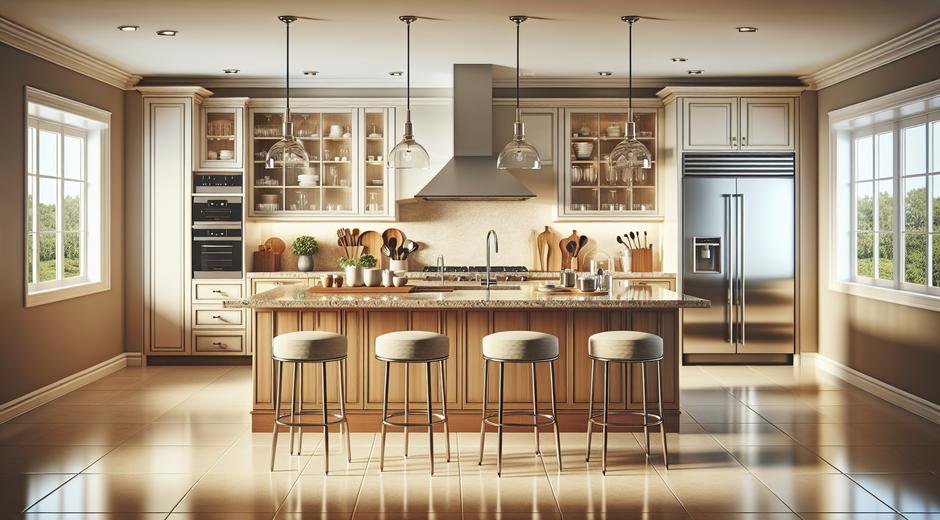


Kitchen Island Focus
When planning a kitchen update or designing a new kitchen from the ground up the phrase Kitchen Island Focus captures a central idea that shapes function style and flow. A well conceived island becomes more than a surface. It becomes a hub for cooking dining socializing and storage. In this article we explore why the kitchen island deserves attention and how to plan one that boosts value and daily enjoyment in your home.
Why Kitchen Island Focus Matters
Focusing on the island means prioritizing a piece of furniture that can change how you use the entire space. A thoughtful island improves workflow by creating a clear prep area and often a casual dining spot. It can conceal appliances and create intelligent storage solutions that free up cabinet space elsewhere. From the perspective of buyers the island is a strong visual anchor that can influence perceived value. For those who list properties online or in print a striking island often becomes a highlight in photos and tours. For more inspiration and listing advice visit metropropertyhomes.com where property features and layout ideas are explored for modern living.
Define the Role of Your Island
Start by asking what role the island should play. Will it be primarily for meal prep or will it house a range top or sink? Is the island intended to host casual dining with seating or serve as a buffet and serving station for gatherings? Clear priorities early in the process prevent costly changes later. If you want seating make sure the island depth and knee space are planned to allow comfortable use. If it will include appliances consider ventilation and plumbing access and plan mechanical routes accordingly.
Size and Placement Guidelines
Size matters but it must be balanced with circulation. A rule of thumb is to allow comfortable walkways on at least two or three sides. This ensures multiple people can move around without crowding. Think about the triangle of cooktop sink and refrigerator and position the island so it complements that workflow. In kitchens that open into living areas the island can act as a subtle room divider while maintaining visual openness. Proportions are important. A narrow long island feels different from a compact square one. Consider how the island will look in photos and in person to maintain pleasing symmetry with counters and cabinetry.
Material Choices That Elevate
Material choice informs durability maintenance and style. Quartz gives consistent color and low maintenance. Natural stone such as granite or marble offers unique veining that becomes a focal point. Butcher block brings warmth and is ideal for cutting and prep while concrete invites an industrial chic aesthetic. Consider combining materials for contrast such as a durable countertop on the main surface with a wooden butcher block inset for prep. Edge profiles and finish choices influence not only appearance but comfort when leaning on the surface during prep or casual dining.
Storage and Functionality
One of the best advantages of an island is extra storage. Deep drawers can house pots and pans while pull out trays make small appliances accessible. Incorporate specialized storage such as spice racks trash and recycling pullouts or a pantry door facing the main work area. Open shelves can display cookbooks or decorative pieces but plan for easy access and cleaning. Consider built in charging stations for devices and a drawer for charging trails or cords. Smart use of the island area reduces clutter on perimeter counters and improves efficiency.
Seating That Works
Seating creates social connection points. Counter high stools on an island promote casual dining and quick conversations while cooking continues. Be mindful of overhang depth and the need for knee room. A seating area that is too tight will be uncomfortable. Think about back support and stool width. If the island is large enough consider a bench style or built in seating on one side to create a cozy nook. Lighting and power access near seating enhance usability for reading or device use.
Lighting and Finish Details
Lighting defines mood and function. Task lighting over the main prep area ensures safety and ease. Pendant fixtures can make a dramatic statement and create vertical interest. Choose finishes that complement other hardware in the kitchen to create a cohesive look. Cabinet hardware faucet finish and lighting trim that read as a set make the design feel intentional. Finishes are also about texture and maintenance. A matte finish may hide fingerprints while a high shine can add glamour but show smudges more easily.
Accessibility and Universal Design
Plan for accessibility by incorporating features such as lowered sections for seating reachable storage options and easy to operate hardware. Consider how family members of different ages will use the island and plan to reduce strain during prep by setting up zones at comfortable heights. A mixed height island can serve multiple purposes while keeping ergonomics comfortable for everyone. Even small adjustments can make a kitchen more welcoming for longer term use by a broader range of people.
Making Smart Mechanical Choices
If you plan to install a sink or cooktop in the island you must coordinate plumbing and ventilation early with your contractor. Run lines in a way that is serviceable and consider trap placement for sinks and electrical needs for cooktops and appliances. Adequate ventilation is essential for cooktop islands so that odors and moisture are managed. Planning ahead prevents compromises that can compromise the look or functionality of the island later.
Budgeting and Return on Investment
Islands can vary widely in cost depending on size materials and built in features. It is possible to build a functional island on a modest budget by focusing on essential storage and a durable surface. Alternatively an expansive island with premium stone integrated appliances and designer lighting is a major investment. Consider resale value by selecting timeless materials and neutral palettes while adding specific upgrades that deliver functional benefits. A well executed island almost always appeals to buyers who imagine themselves using the space for everyday life and entertaining.
Styling and Final Touches
Once protected surfaces are chosen and cabinetry is in place styling brings the island to life. Add a bowl of seasonal fruit a small potted herb and a neatly arranged tray for everyday items to photograph well and present as inviting. Keep clutter minimal and choose accents that echo the kitchen palette. A rug placed near seating or a runner along the floor can add warmth and define the island area especially in open plan homes. Consider the rhythm of materials and colors so that the island feels integrated not tacked on.
Real Life Examples and Inspiration
Explore galleries and case studies to see how different islands perform in real spaces. Look for examples that match your kitchen size and style and note how they solved challenges similar to yours. For cross discipline inspiration you can also view creative staging and cinematography references at Moviefil.com which can spark ideas about lighting proportions and focal points when the kitchen will be a main visual feature in photos or video.
How to Choose a Kitchen Island in Your Home
First measure and map your kitchen space paying attention to clearance zones and appliance locations. Decide on core functions and then choose a size and shape that supports those uses. Match materials to lifestyle and maintenance expectations. Get multiple quotes from cabinet makers and countertop fabricators and ask for samples to see how light affects color and texture. If you are selling a property think about neutral choices that will appeal to many buyers while adding one or two striking elements to showcase craftsmanship and design intent.
Conclusion
Embracing a Kitchen Island Focus means giving attention to a feature that enhances everyday life and can elevate resale appeal. With careful planning and attention to materials layout and lighting you can design an island that becomes the heart of the home. Use the guidelines in this article to define the role of your island select finishes that match your lifestyle and plan mechanical elements early. The result will be a kitchen built to work beautiful to look at and easy to maintain for years of enjoyment.