

Staging Basics For Sellers
Selling a home is both an emotional journey and a strategic campaign. For sellers who want to maximize appeal and speed up a sale the process of staging matters more than ever. Staging Basics For Sellers covers the core steps that make a property feel welcoming, spacious and move in ready. This guide will walk you through practical actions, common mistakes to avoid and how to get the best return on staging investment.
Why Staging Basics For Sellers Matter
Buyers form an opinion within seconds of seeing a home online or walking through a front door. The right staging highlights the home strengths and helps buyers imagine their life there. Proper staging can increase perceived value shorten time on market and drive stronger offers. Whether you choose to stage on your own or hire a professional a clear plan will focus your time and budget where it matters most.
First Impressions Count Curb Appeal Tips
Staging begins outside. A tidy yard clean walkways and welcoming entry set buyer expectations before they step inside. Small updates like fresh mulch trimmed shrubs and a clean front door yield big visual returns. Consider adding a pair of low maintenance plants and a simple welcome mat so photos and in person visits look polished. Curb appeal is one of the fastest ways to increase interest and get more showings.
Declutter And Depersonalize
One of the most impactful staging basics for sellers is to remove clutter and personal items. Clear counters store excess belongings and pack away family photos. The goal is to create a neutral canvas where buyers can picture their own items. Less furniture often makes rooms feel larger. Rent a small storage unit if needed and keep closets neatly arranged so storage looks abundant.
Repair And Neutralize
Sellers should address visible repairs before listing. Fix leaky faucets repair cracked tiles and touch up paint where scuffs show. Choose neutral paint colors to appeal to the widest audience and to create a bright cohesive look. Neutral elements help buyers focus on the home features rather than the decor choices of the current owner. Small investments in repair and paint often pay for themselves in faster sales and better offers.
Lighting And Furniture Arrangement
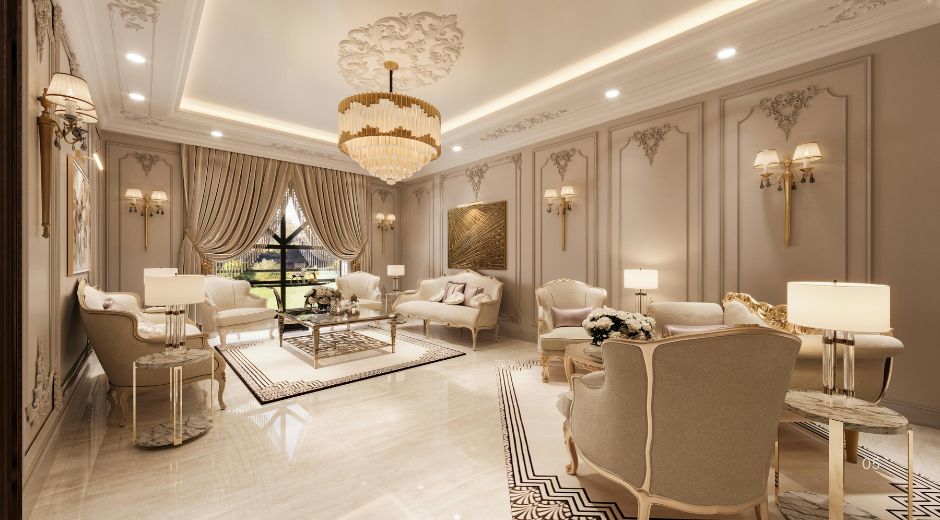
Good lighting transforms a space. Maximize natural light by cleaning windows and choosing lightweight curtains. Add layered lighting with floor lamps table lamps and under cabinet lights to create a warm inviting mood. When arranging furniture leave clear pathways and create defined functional zones. If a room is awkwardly shaped stage it with simple pieces that emphasize its best use such as a reading corner or a home office area.
Kitchen And Bath Staging Tips
Kitchens and baths sell homes. Clear counters of appliances and clutter and add a few tasteful accents like a bowl of fresh fruit or a neatly arranged tray. Replace old hardware and consider new light fixtures if they look dated. In bathrooms fresh towels a small plant and a clean shower curtain create a spa like feel. Buyers scrutinize these spaces so attention to detail matters.
Scent And Final Touches
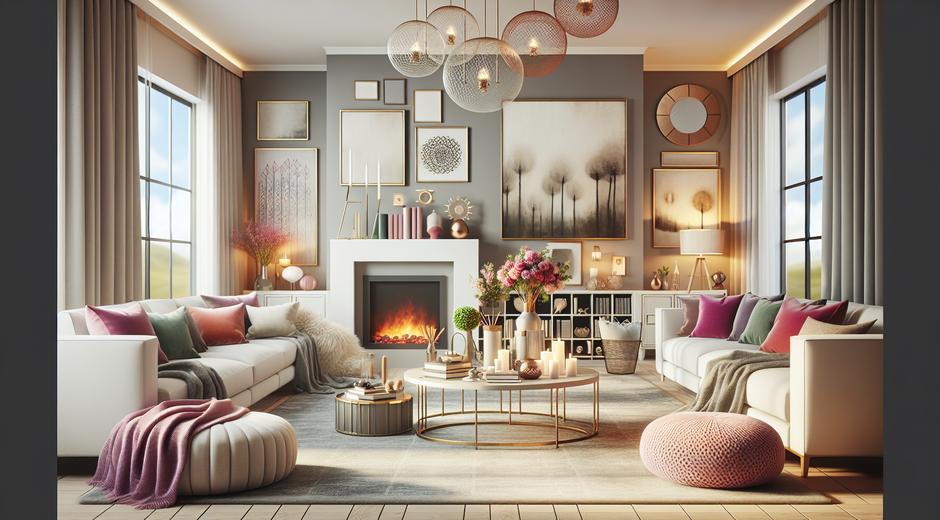
Neutral scent is important. Avoid overpowering air fresheners and strong cooking aromas. Light citrus or clean linen scented candles for brief showings or open windows to air out the home. Add soft textiles like throw pillows and area rugs to introduce texture and color. Small decorative touches can elevate a space without masking its layout or condition.
DIY Staging Versus Professional Staging
Many sellers can apply Staging Basics For Sellers themselves and still achieve strong results. Do it yourself staging works best when a seller has time budget and a clear eye for arranging spaces. Professional stagers bring experience furniture and a trained perspective. They can often quickly transform a property especially when it is vacant or needs a major refresh. Weigh the cost against potential benefits for your market and property type.
How Staging Fits Into Your Marketing Plan
Staging should be integrated into your listing strategy. High quality photos are essential and staged rooms photograph better which increases click through rates online. Schedule professional photography after staging is complete and before any open house so images reflect the property at its best. When you list on sites and local networks your listing will attract more attention if images show a clean cohesive layout. For sellers looking for a simple way to list their property visit metropropertyhomes.com where you can showcase staged photos and detailed descriptions to reach motivated buyers.
Budgeting For Staging And Measuring Return
Set a clear staging budget and prioritize actions that deliver the most visual impact. Decluttering cleaning and paint often cost less and yield strong benefits. Renting furniture or hiring a stager is a larger expense but can be worthwhile for higher value listings or unique spaces. Track how quickly you receive offers and whether you receive higher bids after staging to measure return on investment. In many markets a staged home sells faster and for more money than an unstaged comparable.
Common Staging Mistakes To Avoid
Avoid overpersonalizing using too many small decor pieces and leaving furniture that blocks natural traffic patterns. Do not use extremely bold colors or overly themed rooms that distract buyers from the home features. Finally do not delay repairs. A clean well maintained presentation paired with accurate listing information builds buyer trust which is essential to closing strong offers.
Final Thoughts On Staging Basics For Sellers
Staging is both art and strategy. Sellers who follow clear Staging Basics For Sellers will be rewarded with faster showings stronger buyer interest and more competitive offers. Focus on first impressions declutter neutralize and highlight the best features of your home. If you want a partner that helps present your property in a professional way consider learning more at MetroPropertyHomes.com where tools and resources can support your selling journey.