Kids Room Ideas
Designing a space for children is a special chance to blend creativity with function. Whether you are refreshing a small nursery or redesigning a large shared area for older children, these Kids Room Ideas will guide you through planning a room that grows with them. This guide covers layout tips color choices storage solutions study areas and safety features so you can create a room that is beautiful practical and fun.
Start with Smart Planning and Layout
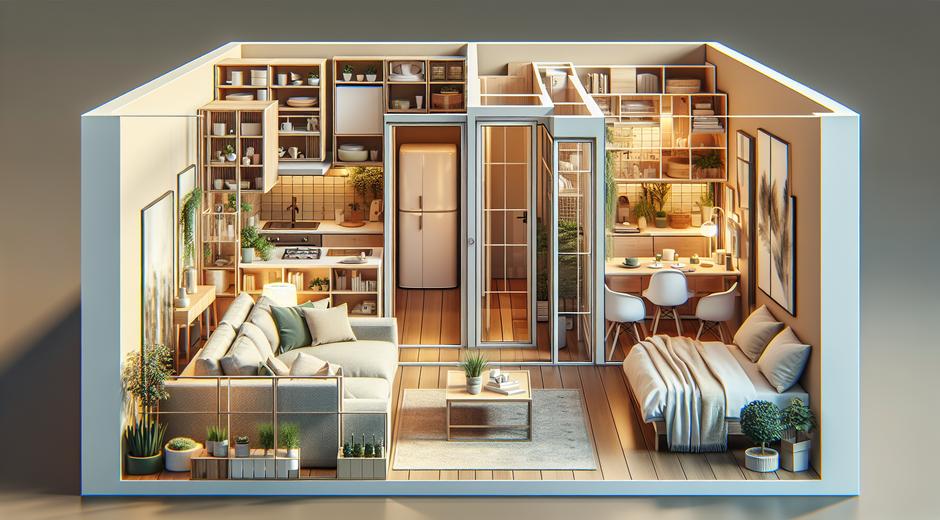
Good design begins with a plan. Measure the room and create a sketch that shows doors windows and existing built in features. Identify three main zones in the space sleep play and study. Keep these zones flexible so the room can adapt as children age. For example place the bed in the calmest corner leave the center space open for play and reserve a wall for a desk and shelving. If the room will be shared consider using furniture to define individual areas while maintaining open sight lines for supervision.
Choose a Color Palette That Inspires
Color sets the mood and can be changed easily over time. Neutral base tones work well for walls because they allow accessories to bring in personality. Add pops of color with rugs bedding curtains and wall art. For a calming environment choose soft blues greens or lavender. For an energetic play area use brighter accents in toys or a single feature wall. Use washable paint finishes for easy cleaning and consider chalkboard paint for a section of wall so kids can draw freely without worry.
Select Furniture for Function and Longevity
Choose pieces that combine form and function. A good bed is the most important investment. Consider beds with built in storage drawers or loft beds that free up floor space underneath for a desk or play area. Look for desks with adjustable height to accommodate growth and chairs that provide ergonomic support. Use sturdy dressers and storage cubes that can be repurposed as seating or shelving later.
Maximize Storage with Style and Ease
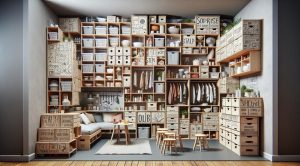
Storage keeps a room tidy and supports independent play and cleanup. Use open shelving for books and baskets for toys. Label baskets with pictures or words to help younger children sort their belongings. Under bed bins and hanging organizers for closet doors add hidden storage without taking extra floor space. Built in benches with lift up lids provide seating and storage in one piece. Keep daily essentials within easy reach for children so they can learn organization skills early.
Lighting Layers for Every Activity
Good lighting combines ambient task and accent layers. Ceiling fixtures provide overall light while desk lamps focus on homework and reading. Include soft night lighting near the bed to ease bedtime routines and accent lights to highlight artwork or shelves. Choose fixtures that are safe and durable and use LED bulbs for energy efficiency and long life. Dimmer switches can help shift the room from playtime to rest time with ease.
Prioritize Safety and Comfort
Safety must be part of the design process. Anchor tall furniture to the wall cover electrical outlets with safety inserts and place soft rugs on hard floors to cushion falls. Choose non toxic paints and finishes and avoid small parts on decor for young children. Window coverings should be cordless or have safety devices to prevent entanglement. Ensure the room has good ventilation and comfortable temperature control so kids can sleep and play in a healthy environment.
Create a Dedicated Study and Homework Zone
A focused study area encourages learning and helps establish routines. Place the desk near natural light and use organizers to keep supplies neat. Add a cork board or magnetic board above the desk for schedules and inspirational notes. For shared rooms provide separate desks or use shelving to divide supplies. Keep cords tidy and provide a comfortable chair sized for the child to maintain good posture during study sessions.
Make Space for Play and Imagination
Play is central to childhood. Design a flexible play area with a soft rug and open floor space. Include versatile elements such as play tents reading nooks and modular storage that can be rearranged as play preferences change. Rotating toys and books keeps the space fresh and reduces clutter. Incorporate sensory items like textured cushions and tactile books to support different types of play and learning.
Personalize with Themes Wall Art and Textiles
Personal touches make a room feel like home. Let children choose a theme or color accent so the space reflects their interests. Use framed art shelves to rotate drawings and photos. Simple textiles such as throw pillows blankets and curtains can transform a theme quickly and affordably. For parents who enjoy print media and decor ideas a helpful resource for inspiration and printable items is available at Newspapersio.com which can supply fresh concepts for seasonal updates and craft ideas.
Plan for Growth and Change
Design choices should support different stages of childhood. Opt for adaptable furniture that converts or expands and choose rugs and decor that are timeless or easy to update. Keep storage flexible and modular so new hobbies can be accommodated. When designing for long term use invest in a few high quality pieces that will last through multiple phases. For families considering a new home that offers ideal room sizes and layouts for creative bedroom design explore the property options and advice available at metropropertyhomes.com.
Budget Friendly Tips and DIY Ideas
Creating a beautiful kids room does not require a large budget. Upcycle furniture with a fresh coat of paint add new knobs to dressers and sew simple cushion covers. Use washi tape or removable decals to add pattern to walls without commitment. Build smart storage using crates or boxes and label them with stickers. Shopping second hand for books and furniture can yield unique finds at low cost. Host a swap with other families to refresh toys and decor without spending money.
Final Thoughts on Kids Room Ideas
Designing a child centered room involves balancing creativity safety and flexibility. Start with a clear layout choose a calming color scheme add functional furniture and include storage that encourages independence. Lighting safety and personalization are essential components. By planning for growth and using budget friendly techniques you can create a room that supports play learning and rest for years to come. Use these Kids Room Ideas as a blueprint and adapt them to fit your unique space and your child s personality.