

Floor Plan Flow: How to Design Spaces That Work for Life
Why Floor Plan Flow Matters
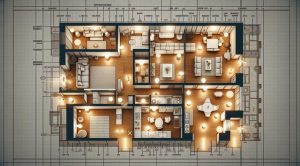
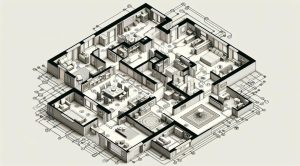
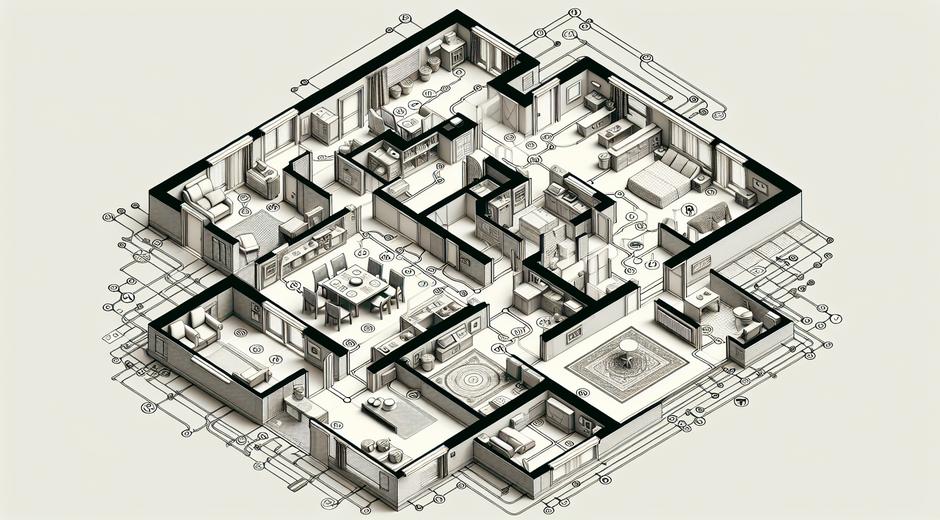
Floor Plan Flow describes how people move through a home from room to room and how spaces connect with each other. Good flow makes daily routines easier and creates a more comfortable feeling in the home. For buyers and sellers alike a clear understanding of flow can change the perception of value. Agents who can explain flow also help clients picture life in a space rather than only picturing furniture.
Key Elements That Create Strong Flow
There are several core elements that shape Floor Plan Flow. Each plays a role in how a home feels and functions.
Function Zoning
Group rooms by purpose. Public zones like living areas dining areas and kitchens should be easy to reach from the entry. Private zones like bedrooms and studies should be quieter and have fewer through passages. A well zoned layout reduces interruption and improves privacy.
Clear Circulation Paths
Paths between rooms should be direct and wide enough for everyday use. Avoid narrow long corridors that waste usable space. Consider how users carry items such as groceries or laundry and design paths that minimize obstacles. A smooth path improves safety and convenience.
Visual Connection
Open sight lines can enhance a feeling of space and safety. When living areas connect visually people feel more engaged with activity across the home. Use partial walls windows or openings to balance connection with acoustic control. Natural light traveling along sight lines also upgrades the experience of moving through rooms.
Transition Areas
Transitions such as foyers landings or change in floor texture help set expectations as people move from one zone to another. These moments allow a shift from public to private from active to calm or from day to night use. Thoughtful transition design guides movement and behavior.
How to Evaluate Flow When Touring Properties
When visiting a property pay attention to routine scenarios. Walk the paths you would use daily. Bring a mental list of tasks and simulate them physically.
Entrance to Kitchen
How easy is it to move groceries from the door to storage and to the cooking area? A shorter route with minimal turns is ideal. A kitchen island can function as a staging area but avoid forcing traffic through work zones.
Access to Bathrooms and Bedrooms
Check how private bedrooms feel during daytime activity in living areas. Consider whether noise will travel and whether access requires passing through another private room. Bedroom access that avoids traffic through other private spaces preserves privacy.
Outdoor Flow
Properties that integrate indoor and outdoor spaces with minimal barriers create more flexible living options. Look for direct routes to patios decks or gardens and consider how these areas will be used across seasons.
Design Strategies to Improve Flow
Renovations and staging can enhance Floor Plan Flow without extensive structural work. Here are practical strategies that often deliver strong results.
Create Clear Entry Points
A defined entry area controls first impressions and directs movement. Even a modest foyer with a bench and hooks helps family members transition from outdoor to indoor activity. It also prevents clutter from spreading into main living areas.
Use Furniture as Flow Guides
Arrange seating and storage to support natural paths. Avoid placing major pieces in straight line routes between frequently used rooms. Furniture can create soft barriers that guide movement without blocking sight lines.
Open Up Key Connections
Removing a non structural wall between the kitchen and dining area is a common way to improve flow. When structural change is not possible consider widening a door or adding a passthrough window. These changes enhance interaction while keeping separate function for each zone.
Layer Lighting and Flooring
Lighting helps define function and can subtly guide movement. Use brighter task lighting in work zones and softer ambient light in transition areas. Flooring changes can also mark different zones and help people intuitively understand shifts in function.
Flow Considerations for Different Lifestyles
Family households empty nesters remote workers and frequent entertainers all have different priorities when it comes to flow. Tailor choices to daily patterns.
Families with Children
Households with young children often need strong visual connection between play spaces and food prep areas. A central layout where caregivers can supervise from the kitchen enhances safety and convenience.
Remote Work and Study
Home offices require access to quiet zones and reliable light and power. Consider placing a study near private zones but within reach of common rooms for quick breaks. Acoustic separation matters more than distance alone.
Entertainers
Homes optimized for entertaining benefit from clear service paths from kitchen to dining and outdoor spaces and multiple seating zones to create flow between small group conversations. Easy access to restrooms and storage for serving ware improves the host experience.
Measuring Flow: Simple Tests to Apply
You can evaluate Floor Plan Flow with practical tests that reveal friction points.
Walk The Day
Simulate a full day. From morning coffee to returning from work move through the areas you would use. Notice bottlenecks or awkward cross traffic. Small changes like moving a console table or changing a door swing can fix issues discovered this way.
Get A Second Opinion
Ask friends or a professional to observe movement and give feedback. People unconsciously reveal friction by how they navigate a space. External perspective is useful because owners can be blind to habitual routes.
Count Transitions
Keep track of how many times you change flooring or step through doors between main activities. Excessive transitions can interrupt flow. Aim for continuity across commonly used paths.
How Property Professionals Use Flow To Add Value
Savvy agents and developers emphasize flow in listings and tours because buyers imagine daily life not just final aesthetics. Descriptions that explain how a layout supports routines create stronger emotional resonance. Photographs that show sight lines and path continuity help buyers see function at a glance.
For sellers staging to improve perceived flow can lead to higher offers and faster sales. Staging that clarifies circulation paths and highlights key connections helps buyers visualize the best use of space. Renovation investments that improve flow often return value in the sale price.
Bringing Flow Into Your Next Property Search
When searching for a new home focus on layouts that match your lifestyle rather than temporary finishes. Start by defining your daily activities and the zones you need. Then evaluate listings with an eye for how rooms connect and how natural movement would occur for your household. For a wide selection of properties and expert guidance visit metropropertyhomes.com to explore listings that highlight practical layouts and liveable flow.
Conclusion
Floor Plan Flow is a central part of livability that goes beyond square footage and aesthetic choices. Thoughtful layout design supports routines reduces friction and enhances the overall perception of value. Whether you are buying selling or renovating paying attention to flow will lead to smarter decisions and more satisfying homes. To learn more about properties that prioritize functional design and effective circulation visit MetroPropertyHomes.com and discover how good flow transforms daily life.