Apartment lighting plan: A complete guide to designing lighting that transforms your space
Why an Apartment lighting plan matters
A thoughtful Apartment lighting plan can change the way a space feels and functions. Lighting influences mood, perceived size, color accuracy and energy use. For renters and owners alike a clear plan helps prioritize light where it matters most and avoid costly rewiring or poor purchases. Whether you live in a studio or a multi room unit a good lighting plan supports everyday tasks like cooking and reading while creating vibe for relaxation and hosting.
When you are starting your design process you can find property ideas and inspiration on metropropertyhomes.com which helps connect the environment of a property with lighting choices that suit the architecture and layout.
Core principles of a successful Apartment lighting plan
Start by assessing natural light. Windows and balcony doors determine where ambient light performs well and where artificial light is needed. Think in layers. Use ambient lighting for overall illumination task lighting for specific activities and accent lighting to highlight art plants or architectural features.
Balance color temperature and brightness. Warmer light creates comfort while cooler light helps focus. Use higher lumen levels for work zones such as kitchens and home offices. Consider controls and flexibility. Dimmers and multiple circuits let you change the mood without swapping fixtures. A plan should also factor in energy use and bulb lifespan to reduce long term costs.
Room by room strategies
Living area
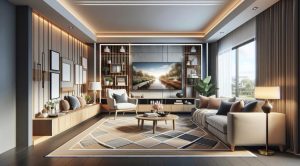
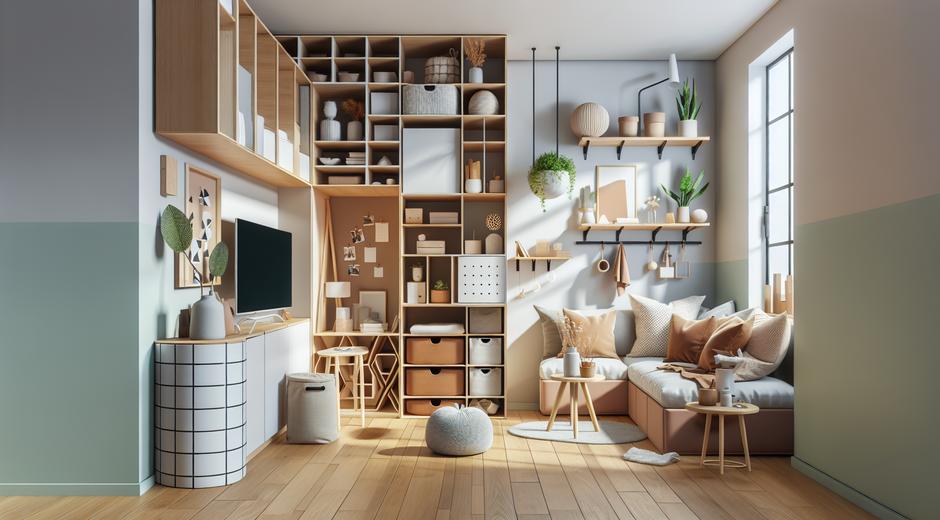
Place ambient fixtures centrally and supplement with floor lamps and table lamps to create pools of light for seating. Accent lamps draw attention to artwork and shelving. For compact living spaces use fixtures that add storage or blend into the decor.
Kitchen
Task lighting under cabinets or within shelving ensures countertops are safe and usable. Overhead ambient light keeps the space bright while pendant fixtures over a dining table bring focus and style. Choose fixtures that resist heat and are easy to clean.
Bedroom
Layered lighting supports sleep routines and reading. Use softer ambient lighting combined with bedside task lights. Consider motion activated fixtures in closets and low level night lights for safety.
Bathroom
Moisture resistant fixtures and even face level lighting around mirrors prevent shadows. Wall mounted fixtures or wall washers at mirror height enhance grooming accuracy. A small night light near the floor adds safety without disturbing sleep.
Home office
Bright even ambient lighting reduces eye strain. Add task lighting with adjustable arms for close work. Choose cooler color temperature when focused focus is required and warmer light for creative or meeting moments.
Hallways and entry areas
Illuminate paths to enhance safety and welcome. Small wall lights or ceiling fixtures spaced evenly create a consistent path of light and can make narrow areas feel wider.
Choosing fixtures and bulbs
Select fixtures that match scale. Small fixtures can clutter large spaces and large fixtures can overwhelm small rooms. Recessed fixtures work well in low ceilings while hanging fixtures provide drama in higher spaces.
LED bulbs are the preferred choice for long life and efficiency. Compare lumen output rather than wattage to match brightness goals. Look at color rendering index for true color appearance and choose a color temperature that suits each room function. Where dimming is required confirm compatibility between bulbs and dimmers.
Consider smart lighting for schedules scenes and remote control. Smart bulbs and switches enable preset scenes for waking up winding down and entertaining. Choose systems that integrate with your phone or voice control if you want automation and ease.
Layout and wiring considerations
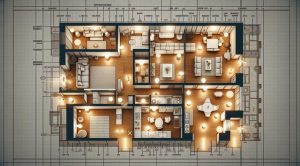
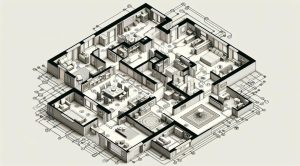
Map out the fixtures on a floor plan and note switch locations. A good Apartment lighting plan places switches by entries and near the bed or desk to reduce walking in the dark. Multiple switch locations per room allow convenient control for large areas.
If you are renting check what changes are allowed and explore plug in solutions like lamps and stick on sensors for temporary improvements. For permanent changes consult an electrician to plan wiring and circuit needs to ensure safety and code compliance.
Decor and fixture placement tips
Use reflective surfaces such as mirrors and light colored walls to amplify light. Place accent fixtures to highlight texture and focal points. For rooms with mixed uses create clear lighting zones that can be controlled independently.
When choosing fixture finish and style remember that glass metal and fabric influence light diffusion and glare. Open shades allow more light while opaque shades soften and direct light downward. Balance aesthetics with function to ensure the lighting looks great and works well.
Common mistakes to avoid
Relying on a single light source can create shadows and strain. Over lighting low traffic zones wastes energy. Picking bulbs by wattage instead of brightness leads to mismatched light levels. Forgetting to test color temperature in the actual space can lead to regret after install.
Another common error is ignoring control options. Adding dimmers and multiple circuits during planning avoids later modification. Not planning switch placement leads to awkward reach and poor convenience.
Budgeting your Apartment lighting plan
Allocate budget across fixtures bulbs controls and installation. Prioritize task lighting in work areas and invest in good bulbs for longevity. You do not need to spend heavily on every fixture. Strategic spending on a few statement pieces and functional fixtures for critical zones often yields the best return.
Compare long term costs by factoring energy use and replacement frequency. LEDs reduce ongoing costs and often justify higher initial price. If budget is tight consider phased implementation starting with high use rooms and expanding as resources allow.
Eco friendly and safety minded choices
Use energy efficient bulbs and automatic timers to reduce wasted energy. Consider occupancy sensors for rarely used spaces to ensure lights are not left on. Choose fixtures with protective covers in damp areas and ensure safe clearances from flammable materials.
Proper disposal of old bulbs especially compact fluorescent bulbs is important because of the materials they contain. Many retailers and community programs accept used bulbs for recycling.
Resources and next steps
Create a simple sketch of your apartment marking windows doorways furniture and planned fixture locations. Note switch positions and desired control options. Test different bulbs in each room before committing to a full purchase. Check sample fixtures in natural light and at night to see how they perform.
For curated trends product picks and creative ideas you can explore design focused sites and product galleries. A useful reference with curated selections and lifestyle content is Museatime.com which highlights lighting concepts that translate well into real apartments.
Conclusion
An intentional Apartment lighting plan ties function and style together to improve comfort safety and energy use. By thinking in layers selecting suitable bulbs and controls and mapping your layout you create flexible lighting that supports daily life. Start with a clear assessment of natural light define zones by activity and choose fixtures and controls that match each room need. With a practical plan your apartment can feel larger more inviting and more functional while reflecting your personal style.