

Textured wall finishes A complete guide for modern homes
Textured wall finishes have become a defining element in contemporary interior design. They add depth and character to spaces while offering practical benefits such as hiding minor surface imperfections and improving acoustic properties. Whether you are renovating a living room or planning a new build these finishes can transform a room from ordinary to memorable. In this article we explore types methods application tips and maintenance advice so you can choose the ideal textured wall finish for your property.
Why choose textured wall finishes
Choosing textured wall finishes brings multiple advantages. First they create visual interest without relying on bold color schemes or heavy furniture. Texture interacts with light creating subtle shadows that change throughout the day so your walls look dynamic and alive. Second textured surfaces can conceal small cracks dents and uneven plaster saving time and cost on surface preparation. Third many textured finishes are durable and can extend the lifespan of wall coatings in high traffic zones.
From a real estate perspective textured wall finishes can increase appeal and perceived value of a property. Buyers often note thoughtful finishes as signs of quality workmanship and attention to detail. If you manage properties or list homes online consider adding images that highlight texture to attract more attention.
Popular types of textured wall finishes
There are several categories of textured wall finishes each with unique look and application method. Below are the most common options used in residential and commercial spaces.
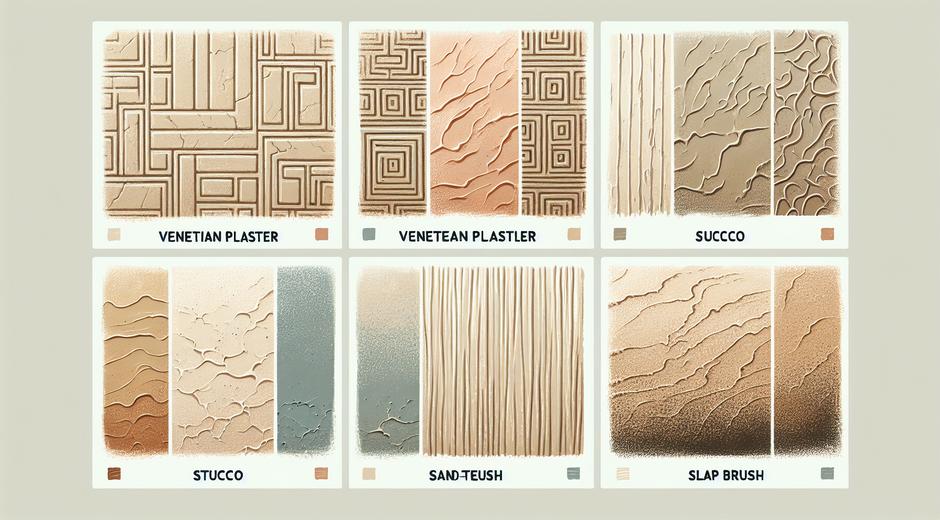
Plaster based textures are classic and can range from subtle sand effects to heavy sculpted patterns. Venetian plaster is a refined polished option that gives a slight sheen and smooth tactile finish. Acrylic textures are durable and available in premixed formulas that are easy to apply with trowels or rollers. They can mimic natural stone or coarse sand. Stucco finishes are more robust and often used on exterior walls but interior stucco treatments can provide rustic character. Paint on textures use additives or thick paints applied with brushes rollers or specialty tools to build up pattern and dimension. Wall panels and claddings such as molded gypsum or wood panels provide three dimensional texture without the need for layered application.
How to choose the right textured wall finish for each room
Choosing the right textured wall finish depends on room function lighting and overall design goals. In living rooms and dining areas choose finishes that add warmth and enhance natural light. Smooth polished plasters or fine textured paints work well here. For bedrooms softer textures that read as cozy are a strong option. Avoid overly coarse textures near the bed where comfort is a priority.
Kitchens and bathrooms require finishes that tolerate humidity and cleaning. Acrylic and cement based textures with water resistant top coats are ideal. Hallways and entry spaces benefit from more durable finishes that can withstand knocks and frequent cleaning. Textured finishes that help hide scuffs maintain fresh appearance longer.
Application methods and tools
Application technique greatly influences the final effect of textured wall finishes. Common tools include trowels sponges brushes and rollers each producing a different outcome. Trowel work allows for sculpted patterns and polished Venetian effects. Sponge techniques create soft organic textures that suit relaxed interiors. Brushes and combs produce linear effects that work well in modern minimalist schemes. Rollers fitted with special sleeves can quickly cover large areas with consistent texture.
Preparation remains essential. Walls must be clean free of dust and properly primed. For many textured finishes a base coat is applied to create adhesion and uniform color. Skilled craftsmen can layer multiple coats to build depth while DIY methods can achieve good results with premixed products and practice. When considering large projects professional application is often worth the investment to ensure even coverage and long term durability.
Color and lighting considerations
Color choice interacts with texture to define mood and perceived space. Light tones reflect more light making textured walls appear softer and more subtle. Deeper tones accentuate shadows and can highlight sculptural patterns creating dramatic focal points. When planning textured wall finishes consider lighting angles and intensity. Natural light will reveal nuance and change how texture reads at different times of day while directional artificial light can be used to emphasize texture for dramatic effect.
Accent walls are a popular strategy to introduce texture without overwhelming a room. Use a textured finish on one wall paired with simpler flat painted walls to create balance. Textured finishes also pair well with layered materials such as wood floors natural stone or metal elements to build a cohesive design story.
Cost factors and budgeting
Costs for textured wall finishes vary widely based on materials complexity of the texture and labor. Premixed textured paints and simple roller techniques present lower cost options while artisanal plaster work or custom panels will be more expensive. Consider whether the goal is surface concealment durability or decorative impact. A modest budget can achieve attractive results using quality products and careful color selection. For high value finishes investing in skilled installers often delivers the best return in appearance and longevity.
Maintenance and long term care
Maintenance depends on the material. Smooth polished plasters are relatively easy to clean with gentle scrub and mild cleaners. Coarse textures may trap dust and require occasional vacuuming with a brush attachment or light sweeping with a soft brush. For washable textures use water based cleaners and avoid abrasive tools that can damage the finish. Repainting or touch ups are possible for many textured finishes but matching original texture may require skillful blending or reapplication of a portion of the wall.
Regular inspection helps detect any moisture or structural issues early. In humid environments proper ventilation prevents mold risk and helps preserve the integrity of textured finishes.
Trends and design inspiration
Current trends include subtle tone on tone textures that rely on gentle relief instead of bold patterns. Organic textures inspired by natural elements remain popular as does tactile minimalism where texture replaces decorative clutter. Another trend is combining textures across different surfaces for contrast such as pairing a smooth matte painted wall with a textured feature wall or blending plaster with wood slats for a mixed material statement.
If you are gathering inspiration online be sure to review curated project galleries and seller listings for real life examples. For professional property staging and listing services consider including high quality photos of textured surfaces because they photograph differently than flat paint and can become a selling point in online listings. For more resources on property presentation explore resources on metropropertyhomes.com to find articles and galleries that highlight finishes across multiple room types.
DIY tips and when to call a professional
Many homeowners successfully apply textured wall finishes on their own. Start with a small test area to practice technique and confirm color and pattern. Use quality primers and follow product instructions for drying times and top coats. Invest in the right tools and maintain a clean workspace to avoid dust settling into wet texture.
Call a professional for large scale projects complex textures or when a highly polished result is desired. Professionals offer expertise in mixing layering and finishing that can be difficult to replicate without experience. They can also advise on appropriate materials for moisture resistance and longevity ensuring your investment performs well over time. If you need specialized advice on finishes for unique room conditions check automotive related surface and finishing resources that discuss protective coatings and materials at AutoShiftWise.com as some techniques cross over from industrial applications into residential finishes.
Final thoughts
Textured wall finishes offer a versatile way to enhance both visual appeal and functional performance of interior spaces. From subtle depth to bold sculptural effects there is a texture solution for every room and budget. Focus on material suitability prepare surfaces properly and consider lighting to maximize impact. When in doubt test samples in situ and engage professionals for complex projects. Thoughtful selection and application of textured wall finishes can elevate a property and create lasting design value.
For more tips inspiration and project stories related to property finishes visit our site and explore curated content that helps homeowners renters and real estate professionals make informed choices.