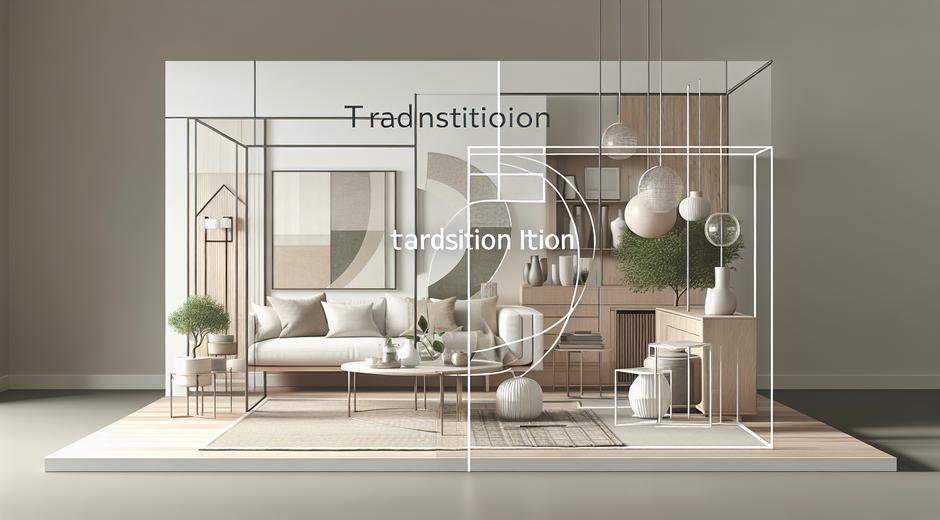


Transitional home design A modern classic approach for every property
Transitional home design blends the comfort of traditional interiors with the clean lines of contemporary style to create spaces that feel both timeless and current. For property owners and interior lovers who seek balance between warmth and simplicity this design language is a reliable choice. In this article we explore core principles of transitional home design practical tips for implementation and room by room guidance to help you create cohesive spaces that appeal to a broad audience.
What is transitional home design
Transitional home design is a curated mix of traditional and modern elements. It avoids extremes by taking the best features from both worlds. Think of classic silhouettes in furniture paired with simple modern finishes or elegant millwork softened by neutral color palettes. The outcome is a space that feels sophisticated yet livable a place where family and formal entertaining both work well.
Key characteristics to aim for
When you plan a transitional interior focus on harmony. The most successful schemes share certain traits.
- Balanced proportions: scale and placement are important. Avoid overcrowding and give pieces room to breathe which preserves a calm atmosphere.
- Neutral color palettes: use tones that act as a backdrop for texture and form. Whites creams grays and warm taupe create a serene base.
- Mix of materials: combine wood metal glass and soft textiles so the space feels layered without being busy.
- Simple lines with classic touches: choose furniture with clean profiles and add a traditional element like turned legs or subtle trim to ground the look.
- Functional layouts: transitional design values comfort. Arrange rooms for easy flow and practical use.
Choosing the right color palette
Colors set the tone. In transitional home design lean toward neutral schemes that allow textures to take center stage. Whites and off whites give a fresh luminous feel. Warm grays add depth while beige and soft tan introduce a natural warmth. Use darker accent colors sparingly to anchor a room or to create interest on a feature wall or in upholstery.
Consider layering shades rather than relying on high contrast. This reinforces the easy going refined mood that defines transitional interiors. Natural materials such as wood stone and woven textiles fit seamlessly within this palette and help tie the look together.
Furniture selection and placement
Furniture in transitional spaces should feel comfortable and uncluttered. Choose pieces with streamlined shapes but in materials or finishes that reference classic design. For example a sofa with a modern silhouette trimmed in a classic fabric or armchairs with tapered arms and refined upholstery.
When placing furniture focus on conversation zones and traffic flow. A good rule is to create a focal area such as a sofa and chairs around a rug and coffee table. Keep scale consistent across pieces so no single item overwhelms the room.
Textiles lighting and accessories
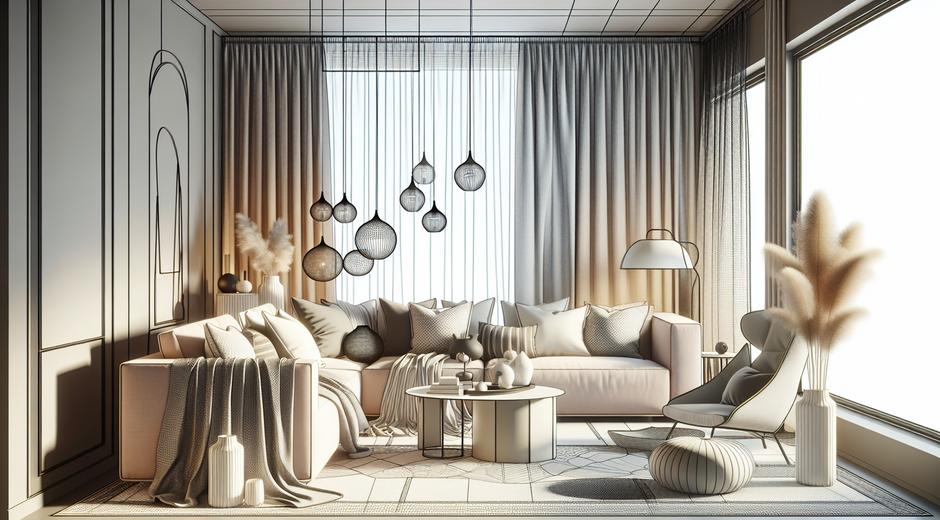
Textiles bring softness and character. Use layered rugs throw pillows and drapery to introduce texture and pattern while staying within the neutral palette. Choose patterns that are subtle and not overly ornate to maintain a modern sensibility.
Lighting plays a critical role. Combine ambient task and accent lighting for a layered effect. Select fixtures that blend modern form with classic materials such as brushed metal or aged brass. A statement chandelier in a dining area can be traditional in shape but modern in finish which captures the transitional spirit.
Materials and finishes
Material choice should support the balanced aesthetic. Wood floors in mid tone stains offer warmth without feeling heavy. For countertops and vanities choose stones with gentle veining that read as natural rather than overly dramatic. Matte finishes for cabinetry and hardware in muted metal tones contribute to an understated refined look.
Room by room tips
Living room Focus on comfortable seating and a neutral backdrop. Use layered rugs and a mix of wood and metal accents. Place art and accessories thoughtfully to avoid visual clutter.
Kitchen Combine classic casework elements with modern appliances and hardware. Open shelves can visually lighten the space while high quality countertops anchor it. Keep the overall scheme cohesive with the adjacent living areas.
Dining room A balanced table and chairs set with a standout lighting fixture defines the room. Choose upholstery that reads as durable yet elegant to handle daily use and formal hours.
Bedroom Create a serene retreat with a soft color scheme and textured linens. Add bedside lighting with clear simple lines and a statement headboard that blends classic form with modern fabric.
Common mistakes to avoid
Transitional home design can feel muddled if the balance is not carefully maintained. Avoid these common pitfalls.
- Too many competing styles which can make a room feel indecisive rather than curated.
- Excessive ornamentation that conflicts with modern simplicity.
- Ignoring scale which can make transitional pieces feel out of place in a room.
- Over reliance on trend focused items that will date quickly rather than contribute to lasting appeal.
How to start a transitional redesign
Begin by assessing what you already own. Transitional design often works best when you mix older pieces with new investments. Create a mood board that captures color texture and furniture ideas. Prioritize foundational changes such as paint flooring and lighting which influence the entire feel of a home.
If you are showcasing a property for sale keep finishes neutral and select furnishings that enhance a broad market appeal. Transitional styling is particularly effective in appealing to buyers who want a move in ready space that still feels personalized and warm. For more ideas and listings tailored to transitional styling visit metropropertyhomes.com where curated properties and design tips come together to inspire your next project.
Professional help and resources
Working with an interior designer or a design consultant can accelerate the process and help strike the right balance. Designers bring an eye for proportion color and placement. If you seek fresh decor items and styling accessories or want a curated online shop that supports this aesthetic check this resource for curated goods and styling guides at BeautyUpNest.com. Their selections often complement transitional schemes nicely and can make sourcing easier.
Final thoughts
Transitional home design is an enduring approach that blends comfort and refinement. It is ideal for property owners who want a timeless interior that adapts to daily life and formal moments. By focusing on balance neutral palettes layered textures and thoughtful furniture choices you can achieve rooms that feel both current and classic. Whether you are updating a single room or styling an entire property the principles of transitional design provide a flexible framework that enhances livability and market appeal.
Use the guidelines above as a starting point and remember that the best transitional spaces reflect personal taste while maintaining a cohesive neutral core that welcomes both modern touches and classic charm.