

Modern texture mixing
Modern texture mixing is a design approach that brings depth, warmth, and personality to any property. For homeowners, interior designers, and real estate professionals this method transforms flat rooms into engaging spaces that invite touch and linger. In this article we will explore practical strategies to mix textures with confidence, highlight material pairings that work consistently, and explain how texture mixing can increase perceived value for listings on platforms like metropropertyhomes.com.
Why texture matters in modern interiors
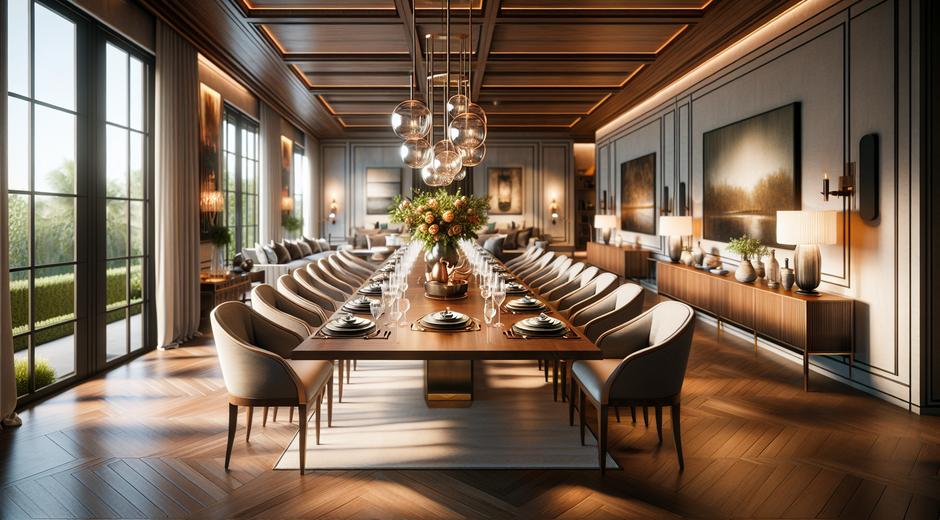
Texture affects how a space feels beyond color and layout. It influences acoustics light scattering and tactile comfort. Buyers and renters respond emotionally to texture because it signals quality and care. Modern design favors clean lines and simple forms yet without texture a modern space can feel cold. Thoughtful mixing of soft and hard surfaces layered with natural and crafted materials creates a balanced environment that reads as both current and timeless.
Fundamental principles for effective texture mixing
Start with these core principles to guide your choices.
- Contrast with purpose: Pair smooth surfaces with tactile ones. For example an ultra smooth lacquer console looks striking against a boucle upholstered chair.
- Keep a consistent palette: Use a limited color family so texture becomes the star without creating visual chaos.
- Vary scale and pattern: Combine large scale textures like exposed concrete with smaller textures like woven throws to create rhythm.
- Balance natural and man made: Mix organic materials such as stone and wood with refined materials such as metal or glass for a modern edge.
- Consider function: High use areas need durable textures while accents can be more delicate and sculptural.
Material pairings that work well
Below are repeatable pairings that perform well in modern homes.
- Wood plus wool: Warm wood floors or furniture paired with wool rugs and knit throws create a cozy modern look.
- Concrete plus velvet: Smooth cool concrete surfaces contrasted with soft velvet seating give a luxe industrial feel.
- Leather plus linen: Leather chairs set against linen drapes or cushions offer refined casual comfort.
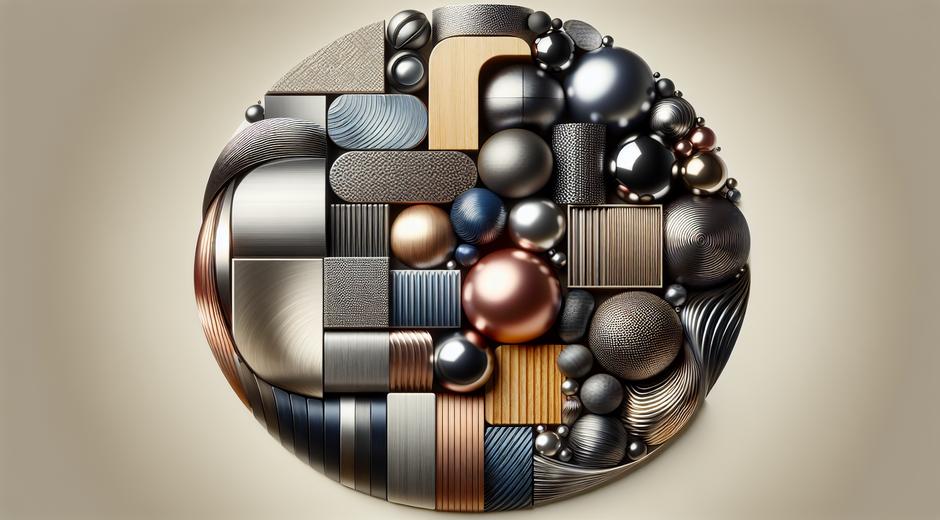
- Metal plus natural fiber: Brass or matte black metal fixtures with rattan or seagrass elements blend modern and organic.
- Glass plus textured plaster: Transparent surfaces next to tactile wall finishes keep spaces open yet rich.
How to layer textures room by room
Layering requires sequencing and restraint. Use this room by room guide as a roadmap.
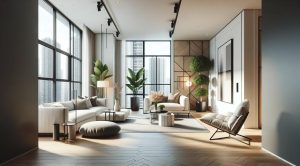
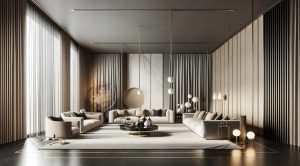
Living room Start with a foundation texture such as a wool rug. Add contrast with a leather or velvet sofa. Introduce a woven basket or a carved wood coffee table as a tactile accent. Finish with metallic lamps or glass accessories for reflection and light play.
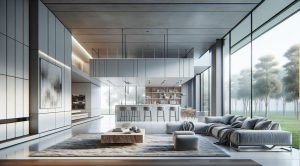
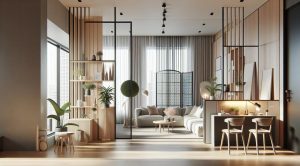
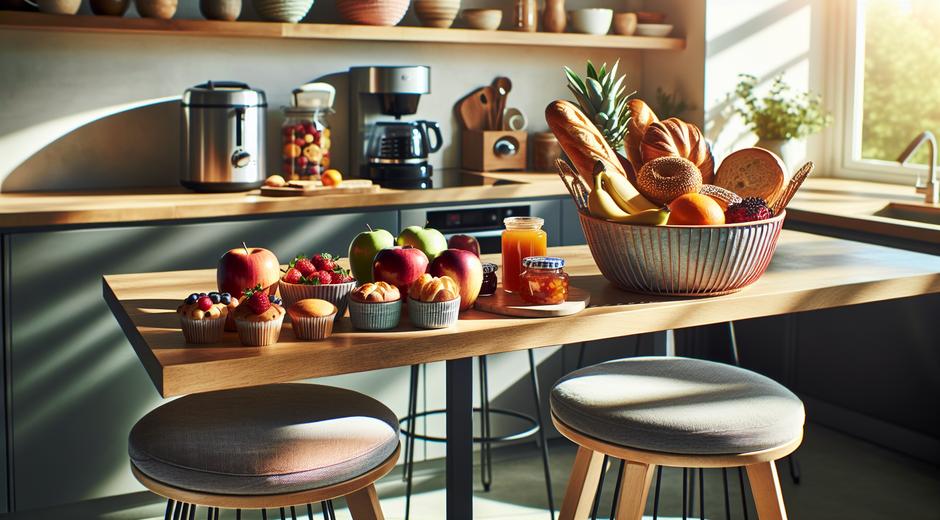
Kitchen Modern kitchens excel when hard textures are tempered by soft ones. Pair smooth stone countertops with textured tile backsplash. Add seat cushions or a linen runner to bring softness without compromising utility.
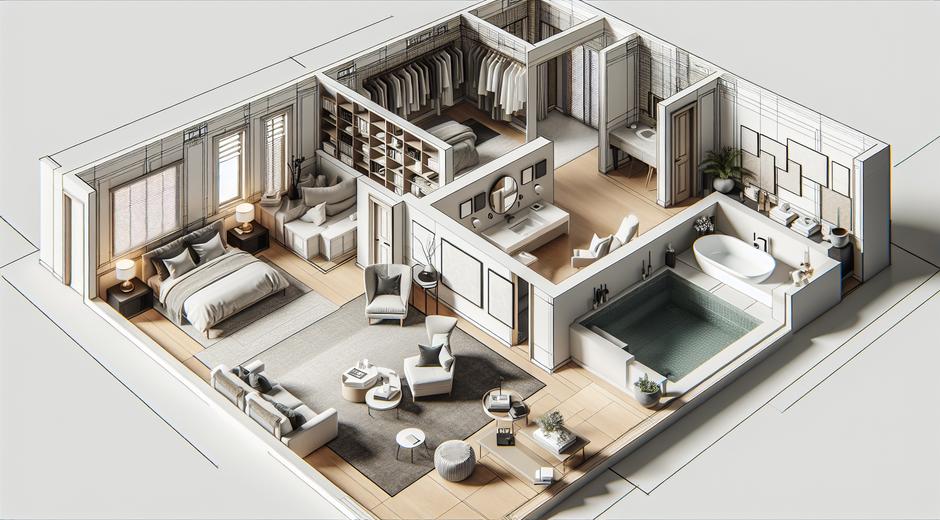
Bedroom Focus on comfort. A low pile rug underfoot beside a platform bed in wood creates a grounded base. Layer bedding with crisp cotton sheets a textured duvet cover and a knit throw for a welcoming tactile sequence.
Bathroom Here texture influences both grip and mood. Matte tile or honed stone paired with polished chrome or brass fixtures balances function and style. Introduce plush towels and a woven bath mat to complete the sensory experience.
Lighting and texture
Lighting dramatically alters how textures read. Directional light reveals depth while diffuse light softens contrast. Use a mix of ambient task and accent lighting to sculpt surfaces and draw attention to texture focal points. Natural light is especially flattering so position textured finishes where daylight will enhance their qualities.
Texture mixing for real estate staging
Staging properties with modern texture mixing can increase appeal and perceived value. Prospective buyers often cannot imagine how an empty shell might feel. Furnishings that demonstrate texture and function help them visualize life in the space. Use neutral color schemes and layer textures to suggest comfort without overpowering the architecture. If you are listing a property consider simple swaps such as adding a textured rug a set of linen drapes and a soft throw to make images stand out online.
Maintenance and longevity
Choose textures that are well matched to lifestyle and maintenance expectations. High traffic properties benefit from durable low maintenance materials. Natural materials can age beautifully but may require specific care. Always include care guidelines for buyers or renters so the texture remains an asset rather than a liability.
Case study examples
Example one A townhouse with minimalist architecture received a layered update by introducing a reclaimed wood coffee table a boucle armchair and matte plaster accent walls. The contrast between the smooth plaster and the tactile chair created a sense of depth that appealed to modern buyers.
Example two A condo with open living spaces used a large loop pile rug soft velvet seating and polished marble counters. The plush textures softened the hard surfaces and improved acoustics in the open plan living area making it feel more intimate without losing its modern clarity.
Where to find inspiration and materials
Explore specialist showrooms artisan markets and curated online platforms for unique textures and surfaces. For eco conscious projects investigate suppliers who focus on sustainable materials and regenerative practices. If you are looking for properties or design partners use resources that showcase curated homes and materials together to spark ideas. One such resource for design living concepts is BioNatureVista.com which highlights natural material options and biophilic approaches.
Conclusion
Modern texture mixing is a powerful tool for creating spaces that feel curated comfortable and contemporary. By combining contrast with cohesion varying scale and choosing durable materials you can craft interiors that appeal to emotion and logic alike. For sellers and agents this approach improves listing photography and viewer engagement. For homeowners it means living spaces that are beautiful and functional. Begin by selecting a limited palette choose a primary texture and then layer supporting textures to achieve balance. Texture is an investment in perception and comfort and when done well it can transform a property into a place people want to call home.