

Urban Home Design
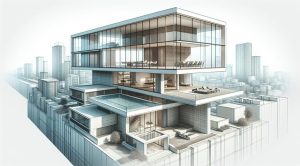
Urban Home Design is a focused approach to creating living spaces that respond to city life. As more people move to dense urban areas there is a growing need for homes that blend efficiency with comfort and style. This article explores practical design principles and actionable tips to help homeowners and renters create a modern urban retreat. It also highlights resources that can support design choices and property decisions.
Why Urban Home Design Matters
City living creates unique constraints and opportunities. Limited square footage and close proximity to neighbors require careful planning while access to culture and transit creates chances to adopt compact living models without sacrificing quality. Urban Home Design aims to make the most of available space by prioritizing light ventilation and a strong connection to the surrounding neighborhood. Thoughtful design increases the perceived value of a property and improves daily life by making routines smoother and leisure time more enjoyable.
Core Principles of Urban Home Design
Successful Urban Home Design follows several core principles. First it emphasizes flexibility so one area can serve multiple purposes. Second it focuses on daylight and natural ventilation to make compact spaces feel open. Third it uses storage solutions to keep surfaces clear and maintain a sense of calm. Fourth it chooses durable materials that age well in a busy setting. Finally it creates visual continuity by using a limited palette of colors and textures that unify the entire space.
Space Optimization Techniques
Maximizing usable area is at the heart of Urban Home Design. Consider built in storage that rises to ceiling height to reclaim vertical space rather than expanding the footprint. Use sliding doors instead of doors that swing into valuable floor area. Select furniture with multiple functions so a sofa can be a sleep area and a dining table can double as a work surface. These choices increase flexibility and reduce clutter which enhances comfort and the overall appeal of the home.
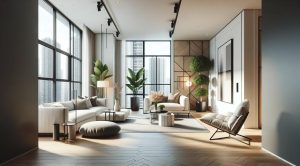
Another technique is zoning within open plan layouts. Define zones visually by placing rugs and lighting clusters to create distinct living dining and working areas without adding walls. This approach preserves the flow of space while offering the practical separation needed for everyday life.
Material and Finish Choices for City Homes
Material selection matters in high use urban settings. Choose finishes that are easy to clean and maintain such as ceramic tile engineered wood and sealed concrete. Opt for textiles that resist wear and stain while still offering comfort. For surfaces that receive heavy use choose materials that are repairable or replaceable to protect long term value. Adding a few warm elements such as wood tones or soft textiles brings balance to the industrial textures often found in city apartments.
Lighting and Color Strategies
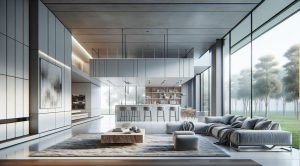
Natural light is a cornerstone of Urban Home Design. Maximize light by keeping window areas clear and choosing reflective finishes to bounce daylight deeper into the home. For artificial lighting layer general task and accent lights to create mood and function. Consider adjustable fixtures to adapt lighting levels through the day.
When it comes to color pick a cohesive palette that supports a sense of calm and cohesion. Neutral base colors with a few contrasting accents create depth without overwhelming a small space. Using the same trim and wood tone across rooms helps communicate continuity which makes a home feel larger and more intentional.
Smart Storage and Organization
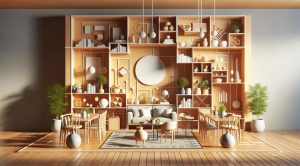
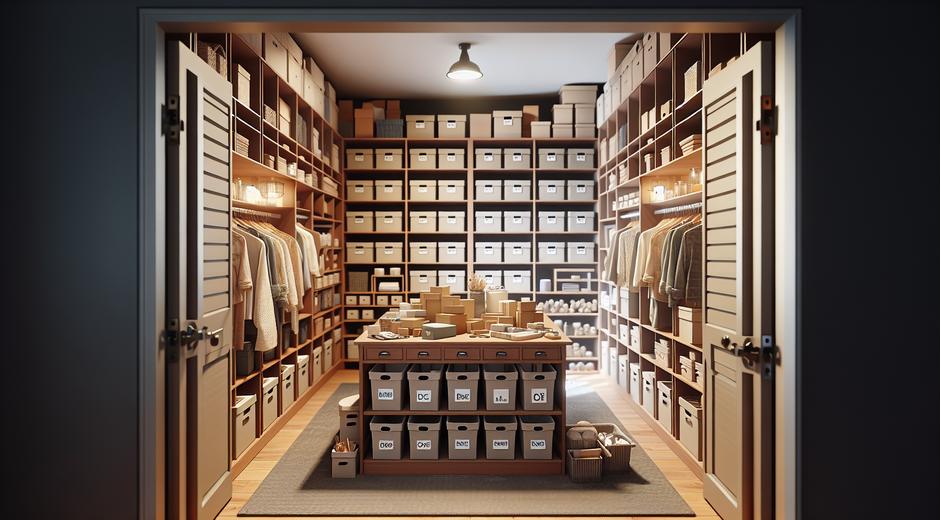
In cities storage is often the limiting factor. Design integrated storage solutions that are easy to access and use. Think about storage that can be arranged vertically and behind panels so utility items do not dominate living surfaces. Custom shelving for books and display items can double as a focal point while organized closets protect clothing and seasonal items from damage. Routine decluttering and a clear method for incoming items maintain order and support wellbeing.
Outdoor Urban Living
Even small outdoor spaces have big potential. Balconies and shared terraces can function as extensions of the living area. Use compact seating and modular planters to create a green retreat that supports relaxation and entertaining. Integrating flexible shade and privacy screens helps tailor outdoor areas to changing weather and neighbors. These outdoor choices increase perceived living area and provide a valuable connection to fresh air and nature.
Sustainability in the City
Sustainable choices enhance both environmental performance and long term savings. Select appliances with high energy efficiency and lighting that reduces consumption. Water saving fixtures and low maintenance landscaping lower utility costs. Use low VOC paints and sustainably sourced materials to support healthy indoor air quality. These choices not only reduce environmental impact but also attract buyers or tenants who value responsible living.
Technology and Comfort
Smart home technology can boost comfort efficiency and security. Simple systems that control lighting heating and shading make it easy to optimize performance and comfort. Prioritize reliable components and clear user interfaces so technology enhances daily life instead of adding complexity. For homeowners thinking of resale value choose systems that are easy to upgrade and maintain.
Designing for Resale Value
Urban Home Design should balance personal taste with broad appeal. Neutral finishes flexible layouts and high quality fixtures attract a wide range of buyers and renters. Consider durable flooring and timeless cabinetry that age gracefully. Thoughtful lighting and open sight lines often score highly with prospective buyers because they make spaces feel larger and more welcoming.
How to Start Your Project
Begin by assessing needs and priorities. Create a list of must haves and nice to haves and then allocate your budget to areas that will deliver the most impact. For example invest in a well designed kitchen and reliable mechanical systems before splurging on decorative elements. If you need design inspiration and property ideas visit metropropertyhomes.com for curated listings and lifestyle content tailored to urban spaces.
Resources and Where to Learn More
There are excellent platforms that offer articles product listings and design services to help you refine your vision. For curated furniture collections and space planning tools check a trusted online resource such as Zoopora.com which highlights items that complement city living and compact layouts. Use these resources to compare options and to visualize how pieces will work in your specific home.
Bringing It All Together
Urban Home Design is about creating a balance between efficiency and warmth. By focusing on light flexible storage quality materials and a cohesive palette you can craft a city home that supports everyday life and delights guests. Thoughtful choices increase comfort and property value while making daily routines easier and more enjoyable. Whether you are renovating a single room or planning a full redesign these principles offer a clear path to a successful outcome.
Start small plan deliberately and use reliable resources to complement your instincts. With attention to detail and a strategy that centers on function and beauty your urban home can become a tranquil vibrant place to live.