

Apartment Space Planning Guide for Smart Urban Living
Apartment Space Planning is more than arranging furniture inside a room. It is a strategic process that transforms limited square footage into functional living areas that suit daily routines and personal style. Whether you own a compact studio or a multi room apartment, thoughtful planning helps you maximize comfort, enhance circulation and increase property value. This guide covers practical principles and actionable tips to help you design efficient apartment layouts that feel larger and more livable.
Why Apartment Space Planning Matters
Effective Apartment Space Planning improves flow and reduces clutter. It ensures that each square meter has purpose while supporting activities such as work rest socializing and storage. Good planning can also improve natural light distribution and make small rooms feel expansive. For property owners and renters alike, well planned spaces attract tenants and buyers and can lead to higher rental income or resale value.
Start with a Clear Assessment
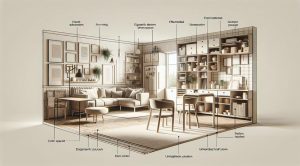
Begin by assessing existing conditions. Measure rooms ceilings and window positions. Note fixed elements such as radiators plumbing and built in cabinets. Sketch a simple floor plan on paper or use a digital tool to visualize dimensions. Identify how many functional zones you need such as sleeping dining work and storage. Prioritize needs based on daily routines and long term plans. This initial assessment sets the stage for targeted decisions rather than random furniture placement.
Define Functional Zones
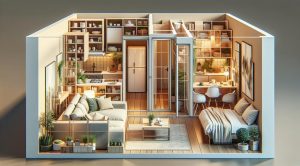
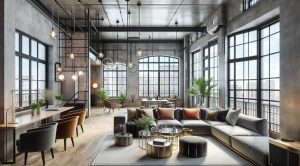
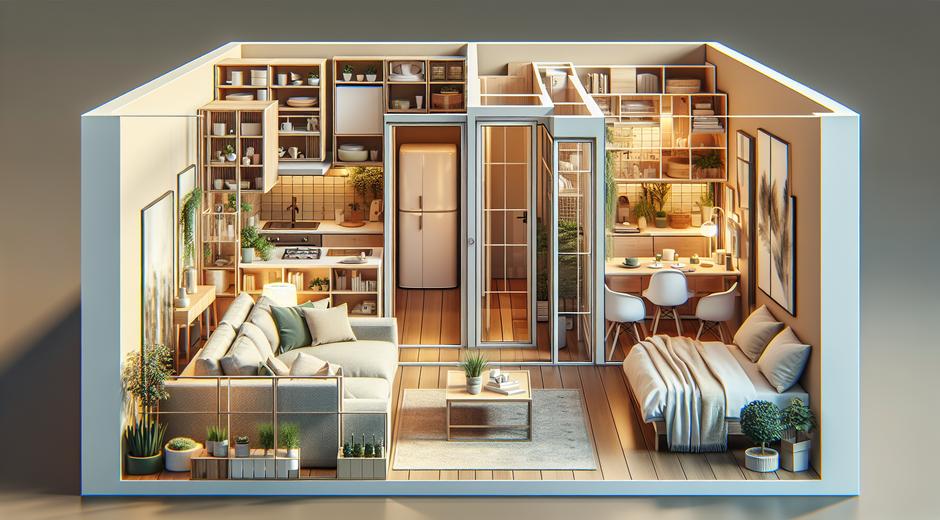
Creating clear functional zones is at the heart of Apartment Space Planning. Use furniture arrangement area rugs and lighting to delineate spaces without adding permanent partitions. For example position a sofa to create a living area while anchoring the space with a rug. Place a narrow console or shelving behind a sofa to separate living and dining zones in an open layout. For apartments that double as a home office place desks near natural light and use vertical storage to keep work materials organized and out of sight when not in use.
Scale Furniture to Fit the Room
Choosing the right scale is crucial. Oversized couches and tables can crowd a small apartment while furniture that is too small can make a room feel empty and unbalanced. Select pieces that match proportions. Consider sofas with low backs to preserve sight lines and use legged furniture to create a feeling of openness by allowing floor visibility beneath. Modular sofas and nesting tables provide flexibility without consuming permanent space.
Optimize Traffic Flow
Good Apartment Space Planning ensures clear walking paths between zones. Maintain unobstructed routes to entry points kitchen and bathroom. Aim for at least moderate clearance around major furniture pieces so that movement is comfortable. Arrange seating to encourage conversation while keeping pathways central. In narrow rooms place furniture along walls to open central circulation space and avoid placing focal points where they block traffic.
Maximize Storage with Smart Solutions
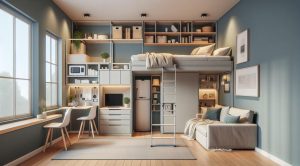
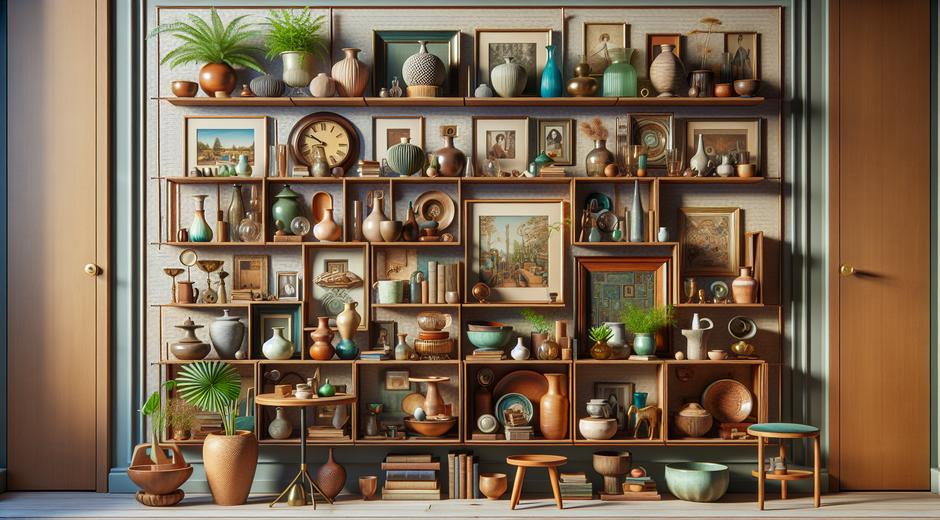
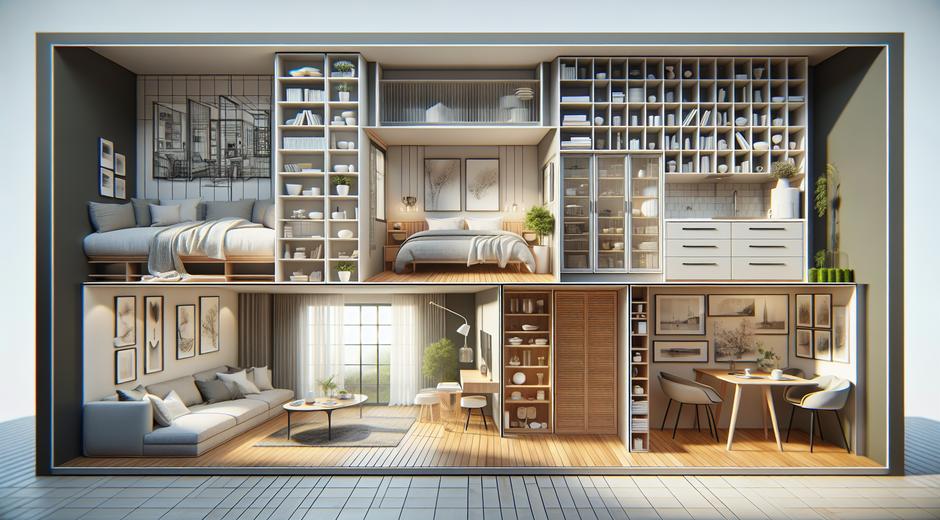
Storage is a frequent challenge in apartments. Use tall shelving to take advantage of vertical space and consider built in options around beds or seating areas to keep essentials organized. Hidden storage such as ottomans with compartments and beds with drawer bases helps reduce visual clutter while keeping items accessible. Use labeled boxes on higher shelves to make seasonal items easy to find and keep everyday items within reach.
Lighting and Color Strategies
Lighting has a major impact on how spacious an apartment feels. Layer light sources including ambient task and accent lighting to create depth. Install dimmable fixtures to adapt ambiance for different activities. Maximize natural light by keeping window areas clear and using light reflective surfaces to bounce light deeper into the room. Color choices also affect perception of space. Use lighter hues for walls and ceilings to open up rooms while incorporating darker tones sparingly to add contrast and focus.
Flexible Design for Changing Needs
An apartment often needs to serve multiple functions as life changes. Design with flexibility in mind by choosing multipurpose furniture and open layouts that can adapt to new uses. For example a fold away desk or wall mounted table can convert a living area into a home office as needed. Modular storage makes it easy to reconfigure shelving when hobbies or family size change. Planning for flexibility avoids costly renovations down the road.
Small Space Tricks That Deliver Big Results
Small changes can make a big difference. Use mirrors to create the illusion of depth and reflect light. Opt for glass table tops and lucite chairs to reduce visual weight. Keep vertical lines uninterrupted to draw the eye upward and create a sense of height. Grouping objects and furniture in odd numbers creates visual interest and helps define areas without barriers. Incorporating plants can add life and scale while maintaining an airy atmosphere.
Sustainable and Cost Conscious Choices
Sustainability can be part of Apartment Space Planning without compromising style. Choose durable materials that age well and require minimal maintenance. Invest in LED lighting and energy efficient appliances to reduce utility costs. When possible purchase second hand or refurbished furniture to minimize waste. Thoughtful choices reduce long term expenses and contribute to a healthier living environment.
Document Your Plan and Test It
Once you have a layout idea create a drawn or digital plan and test different configurations before committing. Move lightweight furniture and evaluate how each arrangement affects circulation natural light and functionality. Take photos to compare layouts from the same angles. Small prototypes help you refine placement and confirm that storage and seating meet real world needs.
Professional Help and Online Resources
If planning feels overwhelming consider consulting an interior designer who specializes in apartment layouts. Professionals can offer space saving solutions and custom storage ideas that you may not have considered. You can also explore listings and design inspiration on trusted property portals and information hubs. For local listings and a wide range of property categories visit metropropertyhomes.com to see examples of well planned apartments that might spark ideas. For technology based planning tools and smart home features that integrate with your layout check resources such as Techtazz.com.
Key Takeaways for Effective Apartment Space Planning
Apartment Space Planning requires a blend of realistic assessment creative thinking and intentional choices. Define functional zones choose appropriately scaled furniture optimize storage and circulation and use lighting and color to enhance perception of space. Plan for flexibility and sustainability and test layouts in small steps before finalizing. With these strategies your apartment can become a more comfortable more functional and more valuable place to live.
Thoughtful Apartment Space Planning transforms compact spaces into efficient havens. Start with a clear assessment set priorities and iterate until you achieve a layout that supports your lifestyle. Small investments in planning yield long term rewards in daily comfort property appeal and ease of living.