

Interior Comfort Zones
Creating Interior Comfort Zones is more than a design trend. It is a thoughtful approach to shaping living spaces that support rest focus and social life while boosting well being and long term value. Whether you are updating a rental a starter home or investing in a new property the right comfort zones can transform daily routines and attract discerning buyers. This guide shows practical steps to plan and build interior comfort zones that feel intentional and livable.
Why Interior Comfort Zones Matter for Modern Living
Interior Comfort Zones give rooms a clear purpose. When spaces are tuned to human needs they reduce stress increase productivity and nurture connection. For people who work remotely or host guests often the right layout and finish choices can be the difference between chaos and calm. From noise control to thermal balance and from soft seating to clear circulation routes each detail supports how people use a space. Real estate professionals and home seekers who focus on comfort zones find homes that perform better on the market and deliver stronger satisfaction to occupants.
Core Principles for Defining Comfort Zones
Start with function then layer on comfort. Define what activities will happen in each area and design accordingly. A reading nook needs good lighting and comfortable seating. A family area demands durable surfaces and flexible seating solutions. A sleep zone must maximize quiet and maintain stable temperature control. Apply these core principles when you plan:
- Prioritize natural light where possible for mood and visual comfort.
- Use texture and fabric to create tactile warmth without clutter.
- Plan circulation so movement feels effortless and safe.
- Consider acoustic treatments to reduce unwanted noise.
- Balance storage to keep surfaces tidy and to support each activity.
Lighting Strategies for Comfort
Lighting is a major factor in perceived comfort. Layered lighting with ambient task and accent sources helps people adapt settings to morning tasks or evening relaxation. Choose warm color temperatures for lounged spaces and brighter cool white light for focused zones. Smart controls can let residents fine tune scenes without complex adjustments. Consider window treatments that allow daylight while minimizing glare and maintain privacy when needed. Thoughtful lighting design makes every comfort zone feel welcoming and functional.
Furniture and Layout Tips to Maximize Comfort
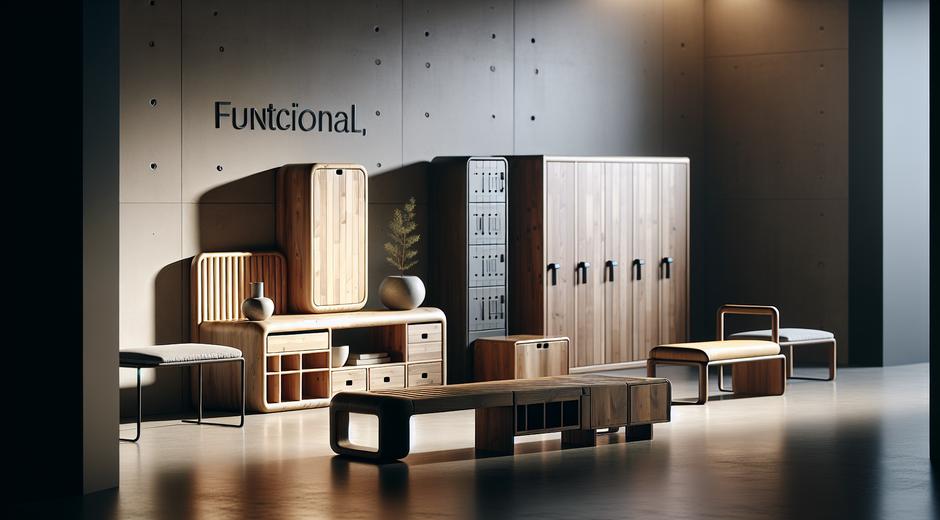
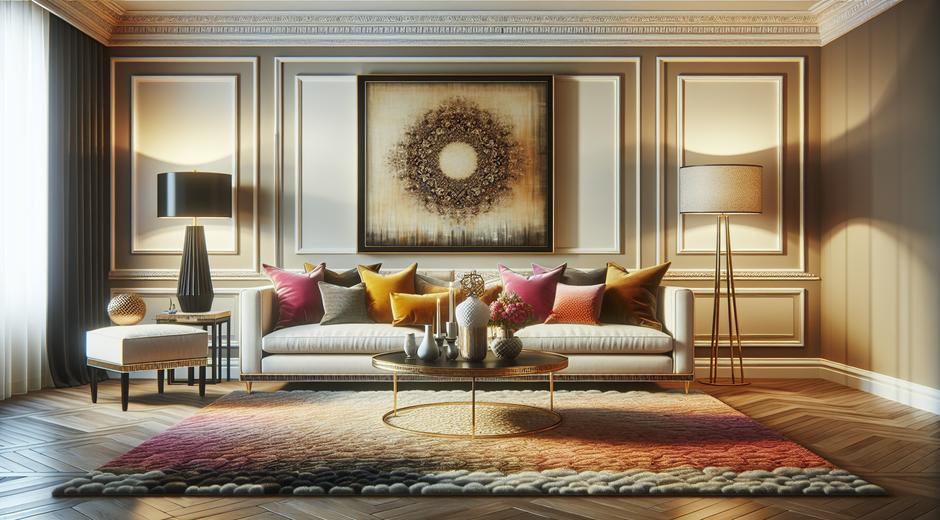
Furniture selection and placement shape how a space is used. Choose seating with ergonomic support for work and relaxation areas. Opt for modular pieces in living zones to allow reconfiguration for guests or family time. Keep pathways clear and make sure scale matches room size so spaces do not feel crowded. Anchoring a seating group around a rug or a low table creates visual cohesion and signals the intended use of the area.
Textiles Color and Sensory Comfort
Textiles add softness and help regulate temperature. Layer rugs cushions and throws to introduce comfort and easy visual interest. For color choose palettes that promote rest for bedrooms and energy for active zones. Natural materials like cotton linen and wool can improve air quality and offer a comfortable touch. Scent and sound also matter. Indoor plants help purify air and soft furnishings can tame echo and noise.
Climate and Air Quality Considerations
Interior Comfort Zones depend on stable climate and good air quality. Insulation and window quality impact thermal comfort. Simple upgrades like programmable thermostats and ceiling fans extend comfort without heavy energy use. Air purifiers and regular maintenance of HVAC systems reduce allergens and improve overall health. For older properties small interventions can yield significant gains in perceived comfort and energy savings.
Acoustic Design for Quiet and Focus
Noise is a primary disruptor of comfort. Identify noisy sources and plan buffers such as soft finishes wall panels or bookcases to absorb sound. For work or study zones a combination of sound masking and quiet surfaces helps maintain focus. In shared homes consider household routines when placing bedrooms and work areas to minimize conflict and maximize rest.
Personalization and Seasonal Flexibility
Comfort is personal. Allow residents to tailor zones with modular furniture adjustable lighting and moveable storage. Seasonal adjustments like swapping heavy throws for light blankets or changing window coverings can keep spaces comfortable year round. Flexibility makes spaces resilient to changing needs and increases the likelihood that a living environment will remain loved and used.
Planning Comfort Zones in Any Property
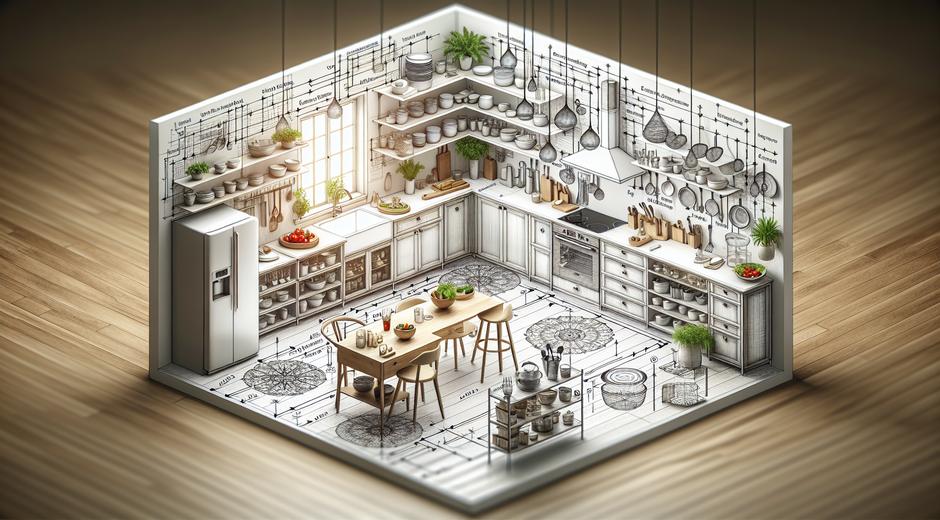
Whether you are staging a property for sale or planning a long term home layout begin with a simple audit of how each space is used. Map activities and list requirements for light acoustics and comfort. Small investments in hardware and soft goods can make rooms feel customized and appealing to a wide audience. If you are exploring properties online start with trusted local resources and listings to assess potential comfort features. For a central resource of property options and design tips visit metropropertyhomes.com to see how listings highlight key comfort elements.
Measuring Success and ROI from Comfort Enhancements
Measure success by occupant satisfaction and by market feedback. Comfortable homes often command stronger interest and can achieve faster sales. Track metrics like time on market perceived privacy and utility bills after upgrades to calculate return on investment. Even modest upgrades to lighting storage and textiles can yield measurable improvements in both daily life and final sale price.
Community and Policy Context for Home Comfort
Local planning and community initiatives shape the way homes are built and renovated. Urban density transit access and local energy codes influence how comfort is achieved. For insight into how policy trends affect housing markets and choices browse thought pieces that connect design and civic context at Politicxy.com. Understanding these connections helps homeowners make informed decisions that align comfort goals with longer term economic and environmental considerations.
Action Steps to Create Interior Comfort Zones Today
Start by walking through each room and writing a short list of required activities and desired feeling. Prioritize interventions that bring immediate comfort like upgrading key light sources adding a few high quality textiles and improving storage to reduce visual clutter. For larger scale work plan for climate control improvements and acoustic treatments. Use mood boards and small tests to confirm choices before committing to major purchases. Over time you will refine zones so they respond to actual living patterns not just theory.
Final Thoughts
Interior Comfort Zones are a practical path to living spaces that support health productivity and connection while also adding value in the market. By focusing on light materials climate and acoustic comfort you can craft rooms that welcome daily life and adapt to changing needs. With thoughtful planning and small targeted upgrades any property can become a comfortable and desirable place to live. For more property ideas and listing curated features that highlight comfort oriented design visit the links above and consider how simple changes can yield lasting benefits.