

City Home Functionality: Designing Practical Urban Living Spaces
City Home Functionality is more than a catch phrase for real estate listings. It is a practical approach to how an urban dwelling performs for daily life work and recreation. In a market where space is limited and expectations are high buyers and renters look for homes that make life easier. For curated listings and examples that highlight these principles visit metropropertyhomes.com to see properties organized by use and performance.
Why City Home Functionality Matters
Functionality in a city home determines how a place supports routines and adapts to change. A home with good functionality reduces clutter shortens daily friction and improves comfort. It can increase resale value and attract higher quality tenants when used as an investment. Well designed functional space supports work from home setups makes meal preparation efficient and creates zones for rest and play. In dense neighborhoods every square foot counts so the way a layout performs is as important as the quality of finishes.
Smart Layouts That Maximize Space
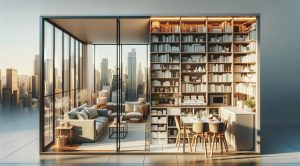
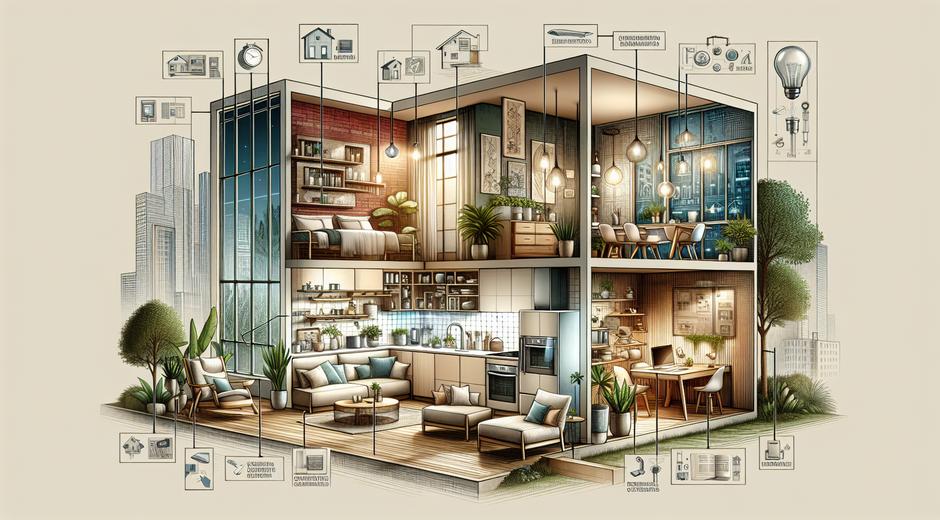
Layouts that prioritize movement flow and use vertical space excel in city settings. Open plan living that still maintains distinct zones for dining work and relaxation helps a space feel larger and more flexible. Consider these layout strategies:
- Define zones with furniture rather than walls to keep sight lines open while maintaining function.
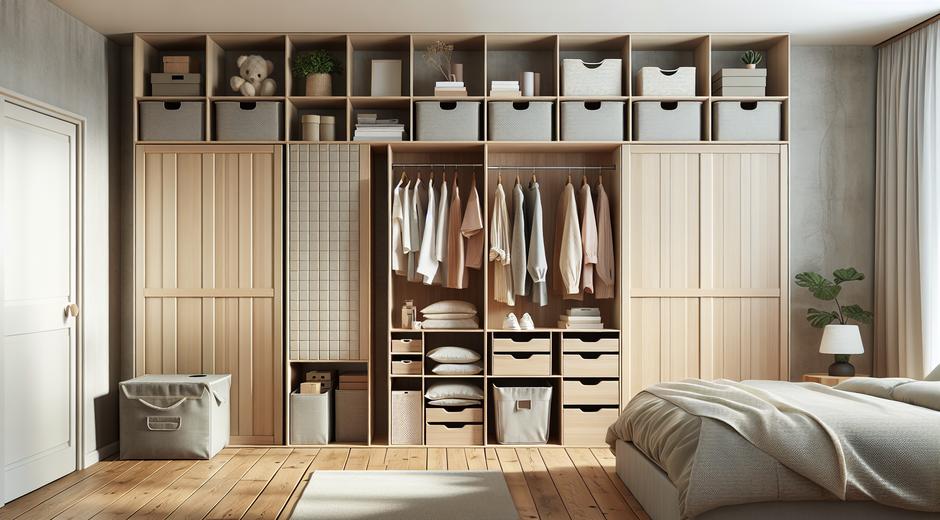
- Place storage along less used walls so it does not interrupt the natural flow of traffic.
- Use sliding doors or pocket doors where full swing doors would waste space.
- Orient primary living areas toward natural light to enhance perceived space and mood.
Those choices help convert compact rooms into multifunction areas without clutter. A layout that anticipates daily needs will make a home feel intentional and calm.
Multifunction Furniture and Storage Solutions
Furniture that performs multiple roles is a cornerstone of City Home Functionality. Think of seating that includes storage beds that fold up into a cabinet and tables with extension leaves. These options allow one room to serve as both a living area and a workspace without constant setup and removal of items.
Storage must be both deep and continuous. Built in shelving around windows can create a reading niche while delivering useful storage. Under stair storage in town homes or deep drawers in kitchens will keep surfaces clear. Labels and clear containers will help occupants maintain order over time so the value of storage is fully realized.
Lighting Ventilation and Healthy Home Design
Light and air are essential to functional city homes. Natural light improves mood and reduces the need for artificial lighting during daytime. Cross ventilation reduces reliance on mechanical cooling and improves indoor air quality. When natural options are limited well planned lighting layers can mimic natural conditions and support task performance.
Consider three layers of light: ambient task and accent. Ambient lighting creates general illumination task lighting helps with cooking reading and work while accent lighting highlights art or architectural features. Use windows and glass doors to connect interior rooms to outdoor light whenever possible. Mechanical ventilation with good filtration will help maintain healthy air in busy urban settings.
Tech Integration for Modern Urban Homes
Integrating technology thoughtfully increases City Home Functionality without turning a home into an over complex system. Prioritize reliable internet access with wired connections to key work areas. Include smart climate controls that learn occupant routines to save energy and support comfort. Choose lighting and security equipment that work with simple apps and voice control to reduce the barrier to use.
Technology should reduce friction not add it. Focus on intuitive interfaces and unified systems so residents spend less time troubleshooting and more time enjoying their space.
Sustainable Choices That Cut Cost and Enhance Comfort
Sustainability pairs naturally with functionality. Energy efficient appliances reduce utility bills and mitigate maintenance headaches. Low flow fixtures conserve water while maintaining a quality experience. Durable materials that resist wear and stain will look better longer and lower replacement frequency. These choices improve long term performance and appeal to buyers and tenants who value lower running cost and environmental responsibility.
Design Tips for Different City Home Types
City Home Functionality is applied differently depending on dwelling type. Here are targeted tips for common city home formats:
- Studio apartments Use foldaway furniture and clear visual zones to create distinct areas for sleep dining and work.
- One bedroom units Ensure the bedroom has enough separation for rest with blackout shades and sound buffering if possible.
- Family apartments Focus on durable finishes and flexible storage to manage toys gear and seasonal items.
- Town homes Use vertical storage and under stair solutions while keeping main living areas open for family connection.
Each format benefits from a checklist that matches layout choices to lifestyle needs so the home feels custom made for daily living.
How to Evaluate a City Home Functionality Before Purchase
When viewing a property use a practical checklist to evaluate City Home Functionality. Take a tape measure and imagine daily routines. Ask the following questions:
- Does the layout support the way you move from cooking to dining to cleaning?
- Is there enough storage for seasonal items and daily gear?
- Can lighting be layered for different tasks and moods?
- Are there quiet areas for rest and focused work?
- Does the home allow for tech upgrades like stronger internet or smart controls?
- Will maintenance needs be reasonable based on finishes and systems?
Answering these questions will highlight strengths and reveal necessary upgrades so you can make an informed choice and negotiate more effectively.
City Home Functionality and Community Access
Functionality extends beyond the walls of a home. Access to transit to parks to grocery options and to fitness venues influences how a city home supports daily life. Living close to quality services can reduce time spent on errands and increase leisure time. For ideas on active living community sports and local events see SportSoulPulse.com for inspiration on integrating recreation into your urban routine.
Conclusion
City Home Functionality is a strategic blend of layout storage lighting technology and durable choices that together create a high performing home. Whether you are choosing a place to buy or rent or looking to update an existing home focusing on functional improvements will yield immediate gains in comfort and long term value. Start with a checklist refine the layout and invest in solutions that serve multiple needs. The result is an urban home that supports a busy life and remains enjoyable day after day.