

Urban Home Aesthetics
What Urban Home Aesthetics Means Today
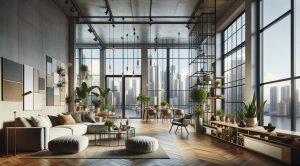
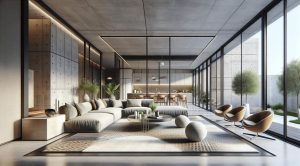
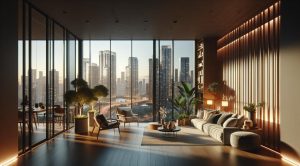
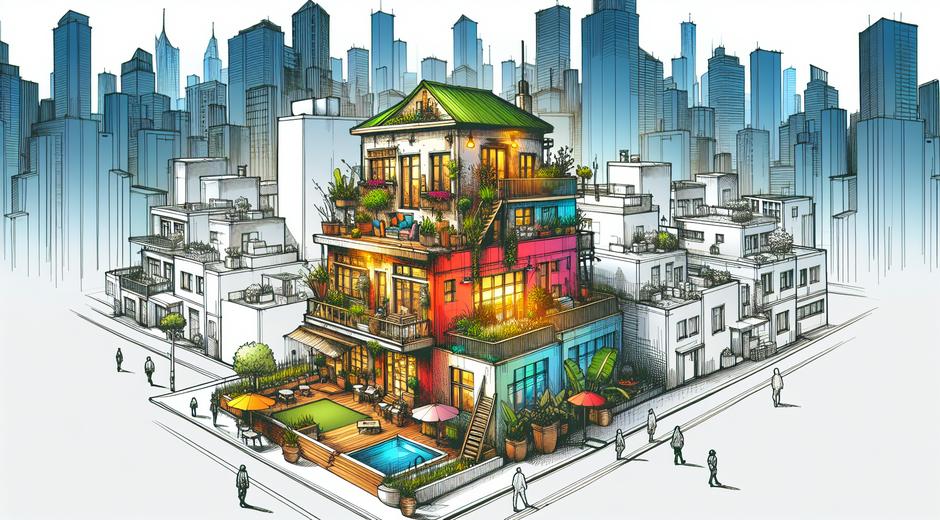
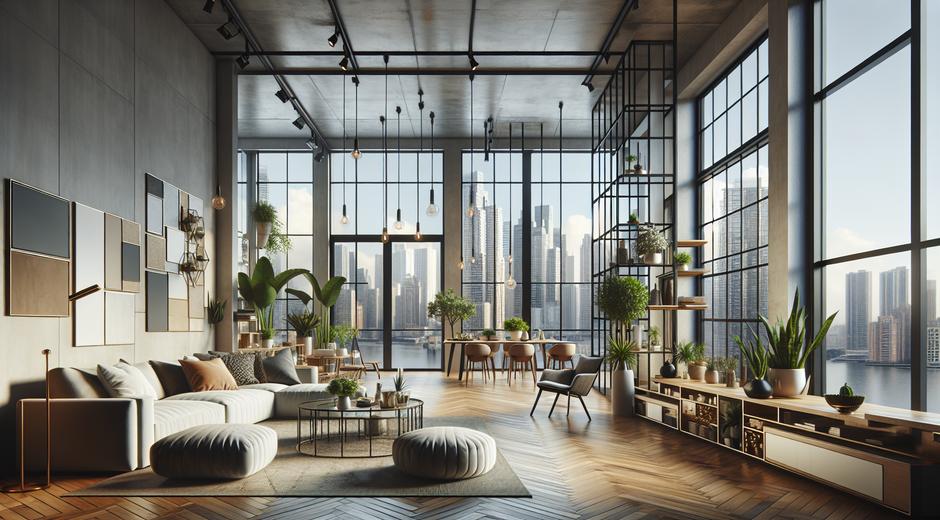
Urban Home Aesthetics captures the spirit of city living and translates it into interior and exterior design choices that suit a compact lifestyle while celebrating visual interest and comfort. This design approach blends clean geometry with texture rich elements and intentional use of light to create spaces that feel open yet personal. For anyone seeking inspiration for an apartment or a townhouse project, embracing urban home aesthetics means prioritizing functionality while making deliberate style choices that reflect contemporary city life.
Core Principles to Follow
The first principle of urban home aesthetics is purposeful simplicity. Every item in the space should have a reason to be there. This leads to uncluttered rooms that still feel warm. Second, materials matter. Mixing raw material textures such as smooth concrete like surfaces, natural wood grains, and metallic accents creates depth. Third, flexible zoning is essential. Urban dwellings often have limited square footage so designing areas that serve multiple functions makes the home more useful and inviting.
Lighting is the fourth guiding principle. Natural light should be maximized through strategic placement of mirrors and low profile window coverings. Layered artificial lighting with focused task fixtures and softer ambient options lets residents change mood and function with ease. Finally the palette should be restrained with pops of color used sparingly to draw attention to focal points such as a curated art piece or a striking rug.
Color and Material Choices
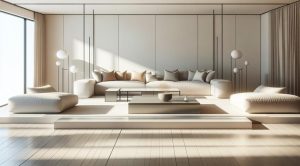
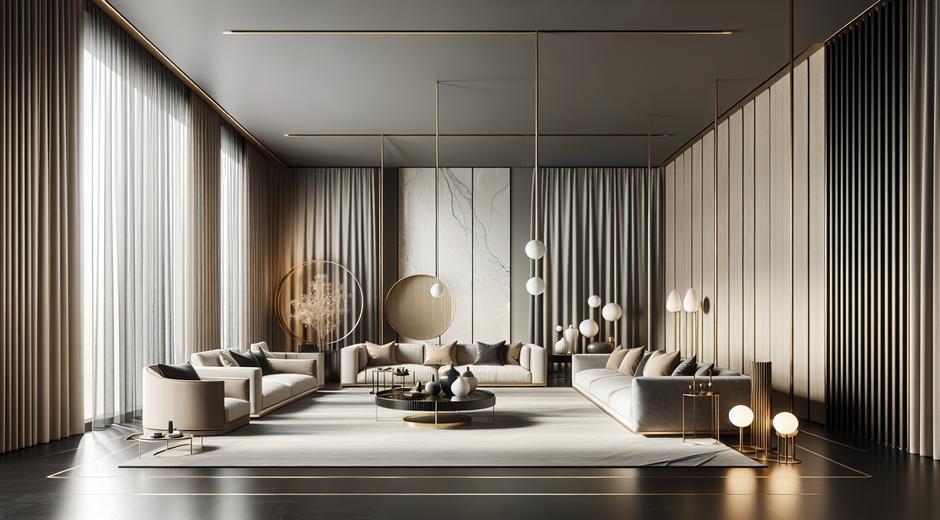
Urban home aesthetics favors neutral base colors that enhance perceived space. Warm whites, soft greys, muted taupe tones, and deep navy anchors create a sophisticated backdrop. Introducing a single accent color in accessories or furniture ties the room together without overwhelming the senses. Textural contrast is the second half of the equation. Pairing smooth surfaces with tactile textiles and layered rugs introduces comfort. Consider a living area with a low profile sofa in a neutral tone paired with a reclaimed wood coffee table and a plush throw to create visual contrast and physical comfort.
Material choices can be used to hint at history and craft even in a modern setting. Exposed brick or a faux brick wall treatment brings subtle character while polished concrete or large format tiles feel contemporary and urban. Brass or nickel hardware can add a refined touch without appearing ornate.
Furniture and Space Planning
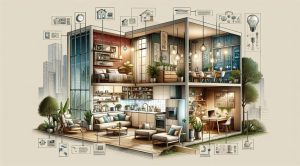
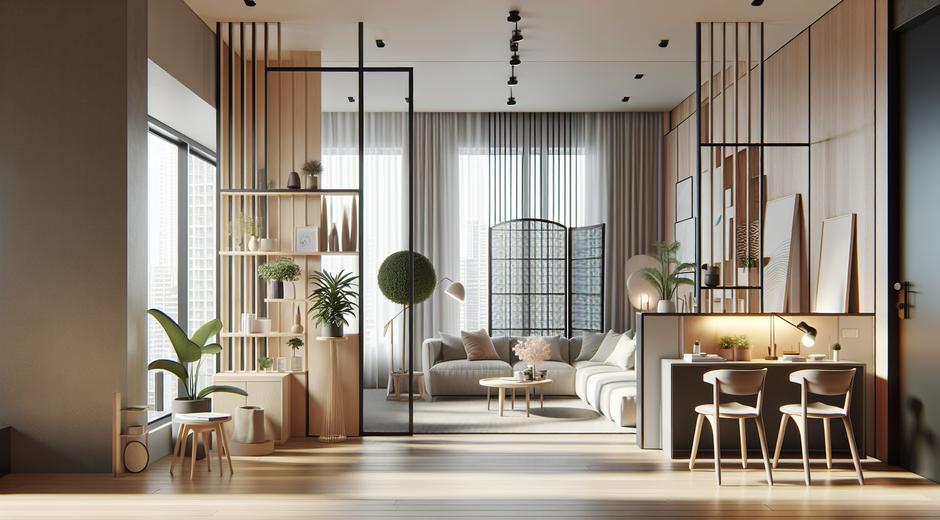
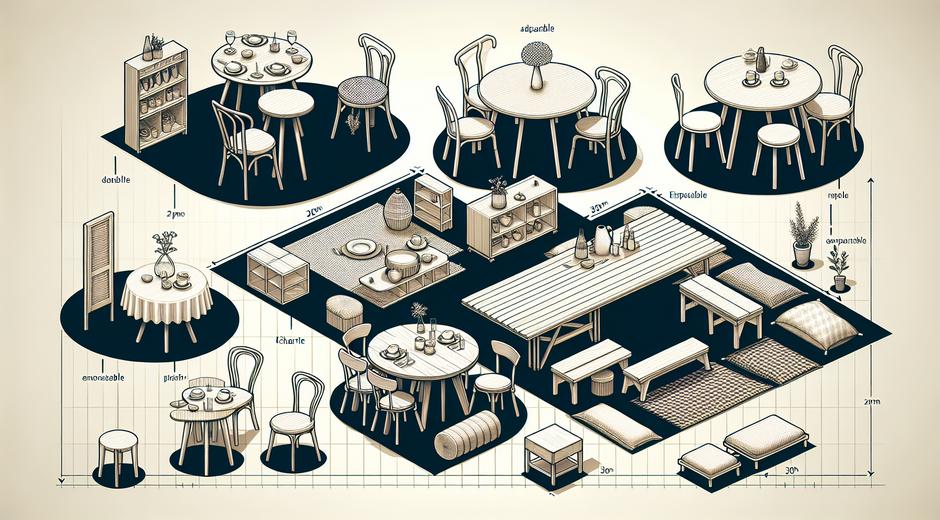
Smart space planning is central to urban home aesthetics. Select furniture that is scaled to the room and allows for clear pathways. Multi functional furniture such as storage ottomans or nesting tables supports both daily living and entertaining. Open shelving provides display opportunities and prevents heavy visual blocks that make rooms feel smaller.
When arranging furniture, aim for pockets of activity. Define a reading corner near a window, create an intimate dining niche, and allow the living area to remain flexible. The layout should read as intentional so that each area has a clear purpose while still contributing to the overall flow.
Lighting Design for City Living
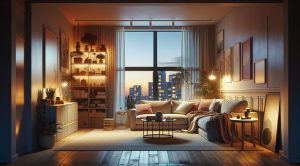
Good lighting design transforms an average apartment into a home with presence. Urban spaces benefit from a mix of natural and artificial light. Maximize window access and use sheer curtains to diffuse light while maintaining privacy. For evening hours, layered lighting offers versatility. Use recessed fixtures for ambient glow, track lighting for accenting art pieces, and well positioned floor lamps for softer task illumination. Dimmable controlled lighting helps adapt spaces to different occasions from relaxed evenings to lively gatherings.
Consider the warmth of the light source as well. Slightly warmer bulbs create an inviting atmosphere that balances cooler daylight tones during the day.
Bringing Nature Indoors
Introducing plant life is a simple way to soften urban interiors and improve air quality. Choose low maintenance plants for windows with indirect light and use planters that complement the overall aesthetic. Vertical gardens or a collection of small potted plants on a window shelf makes the most of limited floor space. Natural fibers in textiles such as cotton or linen bring additional warmth and a tactile connection to nature.
Balconies and small terraces can be turned into green retreats with compact seating and weather tolerant plants. Even modest additions of greenery contribute to a calmer urban experience.
Personal Style and Artful Touches
Urban home aesthetics is more than furniture and finishes. Personal touches and curated art pieces convey the story of the person living in the space. Display items that have meaning such as travel finds, a small sculpture, or framed prints. Use a limited number of statement pieces rather than filling every surface. Artwork should be hung at eye level and grouped thoughtfully to create impact.
Textiles and rugs with subtle patterns can anchor a seating area while maintaining harmony with the overall palette. The goal is to achieve cohesion while allowing individuality to shine through.
Sustainability and Smart Solutions
Sustainable choices align naturally with urban design sensibilities. Opt for durable materials that will age gracefully and require less frequent replacement. Upcycling furniture and choosing products from responsible manufacturers reduces waste. Energy efficient lighting and appliances not only lower utility costs but also support a greener lifestyle.
Integrating smart home strategies enhances comfort and control. Intelligent thermostats and lighting systems conserve energy. For those who enjoy technology updates and lifestyle trends there are many online sources that explore the intersection of gadgets and living spaces such as GamingNewsHead.com which often reviews devices that can complement a modern urban home.
Staging and Selling with Urban Appeal
If the goal is to sell a property in a city setting, staging with urban home aesthetics can add perceived value. Neutral palettes allow potential buyers to imagine their own tastes in the space. Decluttering and maximizing natural light are simple interventions that create a positive impression. Professional photography that highlights spatial flow and quality finishes helps listings stand out online.
For those searching for a new urban home or exploring market options, start with a thoughtful property search and consider how each space aligns with the design priorities discussed here. A comprehensive site that lists a range of property types can be a useful starting point for prospective buyers and renters. For a wide selection of listings and resources visit metropropertyhomes.com to explore possibilities and gather inspiration.
Practical Tips for Small Spaces
In small urban homes every choice counts. Use vertical storage to free floor area and keep surfaces tidy. Mirrors reflect light and create the illusion of depth. Choose furniture with exposed legs to maintain a sense of openness. Create zones with rugs or lighting to define function without creating barriers. When decorating, less is often more. A few well chosen pieces with strong design will elevate the space more effectively than filling it with many small items.
Final Thoughts
Urban Home Aesthetics blends practicality with style to form living spaces that are both efficient and beautiful. By focusing on thoughtful material choices, layered lighting, smart furniture selection, and personal touches you can transform a city dwelling into a sanctuary that reflects modern tastes and daily needs. Whether updating an existing apartment or designing a new space, keep the core principles in mind and let the architecture of the city inspire interiors that are dynamic, comfortable, and distinctly urban.