

Urban Rentals A Complete Guide for Investors and Renters
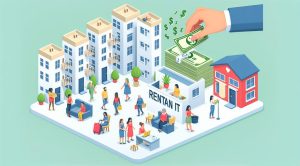
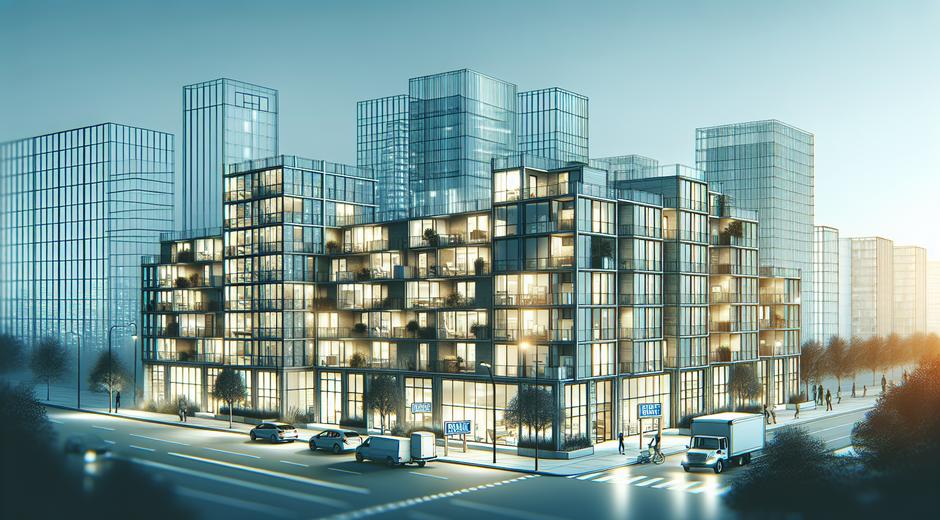
Urban Rentals are at the center of modern property markets. As city populations grow and lifestyle choices shift toward convenience and access to services, demand for properties in urban areas is rising. Whether you are an investor seeking steady income or a renter seeking proximity to work and leisure, understanding the dynamics of Urban Rentals helps you make smarter decisions. This guide covers trends market signals selection criteria and management tips that matter now.
Why Urban Rentals Are Growing
Several forces drive the popularity of Urban Rentals. First many cities are hubs for employment education and culture. Renters value short commutes access to public transit and the ability to walk to restaurants and shops. Second demographic shifts favor smaller household sizes and single professional households that prefer rental flexibility over ownership. Third technology and digital platforms make it easier to search list and manage rental properties which increases market fluidity.
Urban areas also attract a mix of domestic and international talent which keeps demand consistent across market cycles. For investors Urban Rentals can offer reliable cash flow and lower vacancy rates when properties are located near key amenities and transit corridors. Cities that maintain strong employment growth and a favorable business climate often see rising rental rates and consistent tenant interest.
How to Choose the Right Urban Rental
Choosing the right Urban Rental requires a blend of market research local insight and a clear investment or living strategy. Start by defining your objective. Are you looking for capital appreciation long term rental income or a short term pick up while you relocate? Your goal will shape neighborhood choice property type and budget.
Next analyze location fundamentals. Proximity to major employers universities and transit lines is a major plus. Look for neighborhoods with signs of stable demand such as new infrastructure projects planned or local government incentives for development. Evaluate crime data school quality and walkability scores. These factors influence both rental demand and the quality of tenants you will attract.
Inspect property specifics. In urban settings smaller units often perform well because they match renter demand and typically offer a stronger yield per square foot. Pay attention to building amenities management quality and maintenance history. Older buildings may have charm and lower acquisition costs yet factor in renovation needs and regulatory requirements.
Use trusted platforms to compare listings and track market trends. For a full city wide perspective you can explore detailed listings and resources at metropropertyhomes.com which aggregates properties across many urban neighborhoods. That helps you compare unit sizes price per square foot and expected rental income in one place.
Maximizing Value in Urban Rentals
To maximize value focus on strategic upgrades targeted at rental appeal and efficient management. Improve curb appeal and common areas as these influence first impressions and market positioning. Inside units prioritize durable finishes energy efficient fixtures and smart storage solutions. Small improvements like modern lighting and quality appliances can justify higher rent and attract long term tenants.
Consider offering flexible lease terms and optional services that match tenant expectations. Many renters value included utilities bundle options or high speed internet access. Thoughtful policies on pets and maintenance response times also increase tenant retention. Use clear contracts and a reliable screening process to mitigate risk and keep occupancy rates high.
Technology can improve operational efficiency and tenant satisfaction. Streamline rent collection online provide an online portal for maintenance requests and use digital marketing to reach prospective tenants quickly. Also track performance metrics such as net operating income average days on market and tenant turnover costs to refine your strategy over time.
For research and editorial insight that can influence local rental decisions consider trusted news and archive resources that offer historical context and current events coverage. One such resource that provides broad archival access for market research is Newspapersio.com which can be useful when you need to confirm local development plans or past zoning changes.
Financing and Legal Considerations for Urban Rentals
Financing Urban Rentals requires weighing loan options payment schedules and tax implications. Compare traditional mortgage terms specialty investor loans and portfolio lending where available. Consider interest rates loan to value ratios and required reserves. Lenders will evaluate rental income projections so accurate market rent data is crucial.
On the legal side become familiar with local tenancy laws eviction procedures and required disclosures. Many urban markets have tenant protection measures that affect lease terms and deposit rules. Ensure compliance with licensing and safety inspections especially in buildings with multiple units. Working with a local property attorney or experienced agent can prevent costly mistakes.
Common Mistakes to Avoid
Avoid overestimating rental income or underestimating expenses. Urban properties can have higher operating costs such as association fees municipal charges and maintenance frequency. Factor in vacancy periods and set aside adequate reserves for unexpected repairs.
Do not ignore tenant screening. A strict yet fair screening process reduces the chance of late payments property damage and disputes. Thorough background checks employment verification and past landlord references are essential. Also do not neglect ongoing building maintenance. Deferred upkeep can erode value quickly and lead to higher long term costs.
Finally avoid chasing the hottest neighborhood without doing the fundamental analysis. Rapidly rising areas may offer upside but can also be more volatile. Balance potential returns with risk tolerance and liquidity needs.
Future Trends in Urban Rentals
Several trends will shape Urban Rentals in the coming years. Increased demand for flexible living spaces means multi use floor plans and adaptive furniture will be more in demand. Sustainability and energy efficient features attract energy conscious renters and can lower operating costs. Smart building technologies that improve security and convenience will be a differentiator.
Remote work patterns also influence location preferences. While some renters move farther from city centers for space others prefer central locations for social life and amenities. Urban Rentals that can adapt by offering work friendly areas and reliable connectivity will remain competitive.
Conclusion
Urban Rentals present a compelling opportunity for investors and renters alike. Success depends on careful location selection thoughtful property enhancements and professional management. Use data driven tools and trusted resources to evaluate opportunities and reduce risk. If you want to explore curated listings and local market insight start your search at metropropertyhomes.com and complement that research with archival news resources such as Newspapersio.com when you need deeper context.
With the right approach Urban Rentals can deliver stable income attractive returns and a satisfying living experience. Keep monitoring market signals adapt your strategy and prioritize tenant experience to build long term value in urban property markets.