

Property Staging That Sells Homes Faster and for More Money
Property Staging is one of the most powerful tools a seller can use to attract buyers and obtain a higher sale price. When a home is staged the goal is to present a clear vision of how life will look in the space. This visual clarity reduces buyer hesitation and increases perceived value. In this article we will explore why Property Staging matters practical tips for each room budget smart ideas and ways to measure success so you can maximize return on investment.
Why Property Staging Matters
Buyers make emotional choices first and rational choices second. A staged property helps buyers form an emotional connection within minutes of stepping through the door. Staging highlights the best features of the home helps define purpose for ambiguous spaces and creates a sense of warmth and safety. For online listings staged photos also attract more clicks and showings which accelerates time on market. In many markets staged homes sell faster and command higher offers because buyers can imagine themselves living there.
Core Principles of Effective Property Staging
Effective Property Staging follows a few core principles. First keep spaces simple and clutter free so key features stand out. Second use neutral palettes that appeal to a broad audience while adding accent pieces to create interest. Third ensure each room has a clear function so potential buyers can see how to use the space. Fourth maximize natural light and enhance it with layered lighting when needed. Fifth focus on flow and sight lines so rooms feel connected and easy to navigate. Finally make sure odors and maintenance issues are addressed because small negatives can undo staging efforts.
Key Elements of Effective Property Staging
Furniture placement should open pathways and create natural conversation areas. Scale matters so avoid items that crowd a room or appear too small. Rugs and textiles anchor seating areas and add texture. Mirrors increase perceived space and reflect light. Art and accessories should support the overall message of the home while avoiding strong personal statements. Fresh flowers or plants add life and create a sense of care. Small upgrades like modern lighting covers clean cabinet hardware and updated switch plates can subtly improve buyer impressions without large expense.
Room by Room Staging Tips
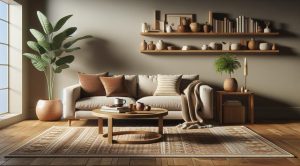
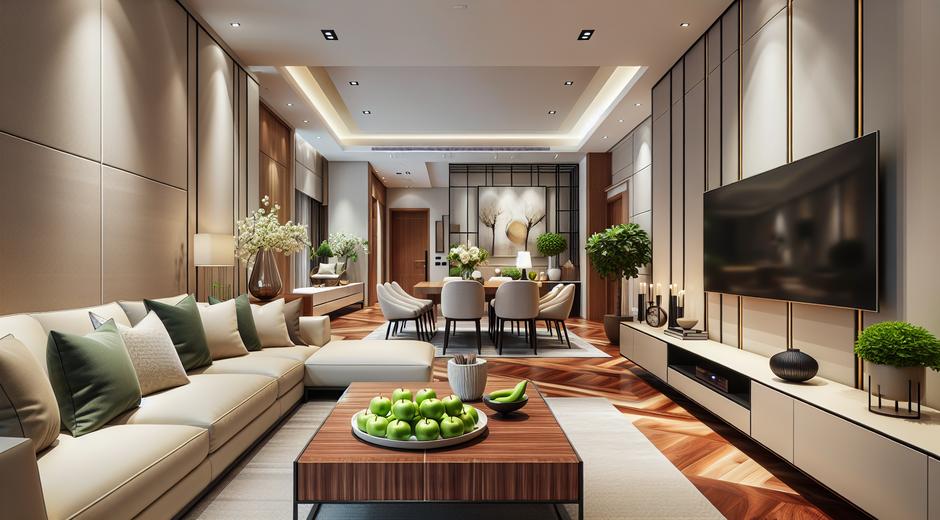
Living area Make the living area inviting. Arrange seating to encourage interaction and point focal attention to a fireplace a view or a media wall. Remove personal photos and replace with neutral art that enhances scale and color balance.
Kitchen The kitchen often sells the house. Clear all counters leaving one or two styled elements such as a bowl of fruit or a pretty cutting board. Make sure cabinet doors align and appliances are spotless. Consider a uniform set of towels and minimal countertop items to emphasize work space.
Dining area Stage the dining space with a simple table setting that suggests easy entertaining. Use placemats or a runner in neutral tones and a single centerpiece that is not overwhelming.
Primary bedroom Create a restful retreat. Choose a bedspread with cohesive pillows and a pair of matching bedside lamps. Keep storage areas tidy and show how closet space fits belongings by arranging a few items in an organized way.
Secondary rooms If rooms are small consider showing them as a clear function such as a home office a nursery or a media room. Buyers prefer defined uses rather than ambiguous empty rooms.
Bathrooms Clean grout and mirrors. Add plush towels a small tray with soap and a simple plant or candle to suggest spa like comfort. Keep counters clear of toiletries.
Budget Friendly Property Staging Strategies
Not every seller needs a full professional staging. Many effective strategies are low cost and high impact. Declutter first by removing excess items into storage. Paint walls in neutral colors to freshen spaces and create a unified backdrop. Rent a few key furniture items for small rooms to demonstrate scale and function. Shop second hand for stylish but inexpensive accessories or repurpose items from other rooms to create staging vignettes. Swap out old light bulbs for brighter bulbs that mimic daylight to open spaces visually.
Small repairs deliver big returns. Tighten cabinet hardware clean windows and touch up scuffs on baseboards. These fixes cost little and show buyers the home has been well cared for.
How to Measure Success of Property Staging
To evaluate staging results track showings on market time and the final sale price relative to comparable properties. If a staged home receives more showings and offers in the first weeks on market that is a strong indicator staging increased buyer interest. Compare days on market against recent similar listings in the area. Calculate return on investment by comparing staging costs to the increase in sale price or the speed of sale. Sellers who avoid price reductions and sell quickly often recoup staging expenses many times over.
Professional Staging or Do It Yourself
Deciding whether to hire a pro depends on budget time and the property condition. Professional stagers bring experience in furniture scale layout and local buyer preferences. They also provide high quality photos for the listing which can dramatically increase click through rates. For sellers with limited budgets a hybrid approach works well. Invest in professional photos and consult a stager for a one time plan then implement the plan yourself. If you prefer a full hands off path hire a professional who can manage furniture rental installation and styling.
When choosing a stager ask for before and after photos references and a clear plan with expected timeline and costs. Make sure the stager understands the target buyer profile for the neighborhood.
Preparing the Home for Listing Day
Before the listing goes live deep clean every room and complete maintenance tasks. Stage key rooms first because online photos are often the first impression. Improve curb appeal with simple landscaping trimmed bushes and a clean entryway. Neutralize strong scents and keep the home at a comfortable temperature during showings. On open house day remove pets and personal items and leave the lighting set to highlight the home. Small touches like fresh flowers and a bowl of fruit add warmth without personalizing too much.
Resources to Learn More About Property Staging
Learning more about Property Staging can turn a good listing into a standout. For sellers and agents who want to study staging techniques and market psychology a variety of online courses and guides can be helpful. One resource for expanding your skills is StudySkillUP.com which offers courses and practical guides to sharpen presentation and marketing skills that apply to staging and real estate promotion.
Final Thoughts and Action Steps
Property Staging is an investment in perception. A staged home communicates care value and lifestyle. Start by decluttering and cleaning then prioritize upgrades that matter to buyers. Use neutral palettes thoughtful lighting and clear room definitions to help buyers imagine living there. If you want professional support consider a stager who can deliver targeted improvements and photography. For sellers who want to explore market listings and staging professionals in your area visit metropropertyhomes.com for more ideas and local insights. With the right staging approach you can reduce market time and increase sale value while creating a stronger emotional response from buyers.