

Apartment Design Flow: Creating Seamless Spaces in Modern Apartments
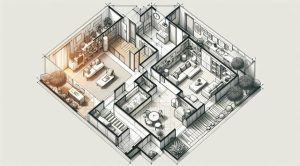
Design success in small scale living depends less on the size of a room and more on how the space moves from one area to the next. Apartment Design Flow is the art and science of arranging rooms furniture light and circulation so that each area feels natural and inviting. In this article we explain the core principles that guide flow and offer practical tips for bringing harmony to studio one bedroom and larger apartment interiors. If you want to pair great design with smart real estate choices visit metropropertyhomes.com for ideas that match form with function.
Why Apartment Design Flow Matters
Apartment Design Flow shapes daily routines. When an apartment flows well people move through it with ease which reduces clutter frustration and visual stress. Good flow improves how natural light travels through rooms how furniture supports activity and how private zones remain private while shared zones feel open. For buyers and renters a smooth layout increases perceived square footage and raises appeal which has measurable value in crowded markets.
Core Principles of Flow
There are repeating principles that guide Apartment Design Flow across all apartment types.
1. Sight lines Matter
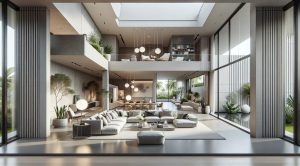
Keep key sight lines open so the eye can travel from one space to the next. Place low furniture in front of windows and avoid tall items that block the view.
2. Define Zones Without Closing Them Off
Use rugs furniture arrangement and lighting to signal different areas while keeping the plan visually connected. This keeps the apartment from feeling chopped up.
3. Circulation Paths Should Be Direct
Paths between the kitchen the living area and the entry should be clear. Avoid placing large furniture where people naturally walk.
4. Balance Scale and Proportion
Choose furniture that fits the scale of the room. Oversized pieces clog flow while too small pieces make a space feel sparse.
5. Layer Light
Combine ambient task and accent light to guide movement and create mood. Good lighting clarifies function and supports evening routines.
6. Flexible Solutions Enhance Flow
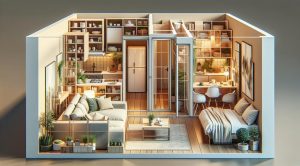
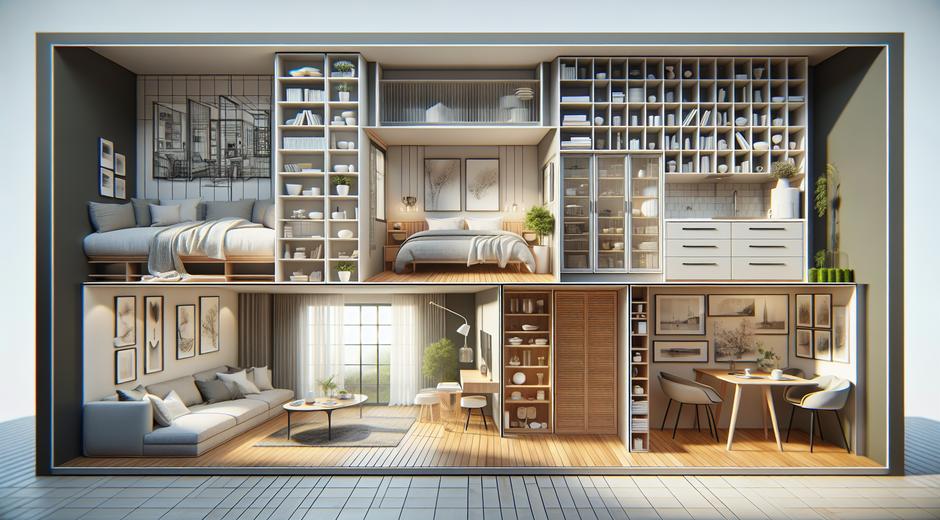
Furniture that serves multiple functions such as a daybed with storage a dining table that doubles as a desk or modular shelving supports changing needs without breaking the flow.
Layout Strategies That Preserve Movement
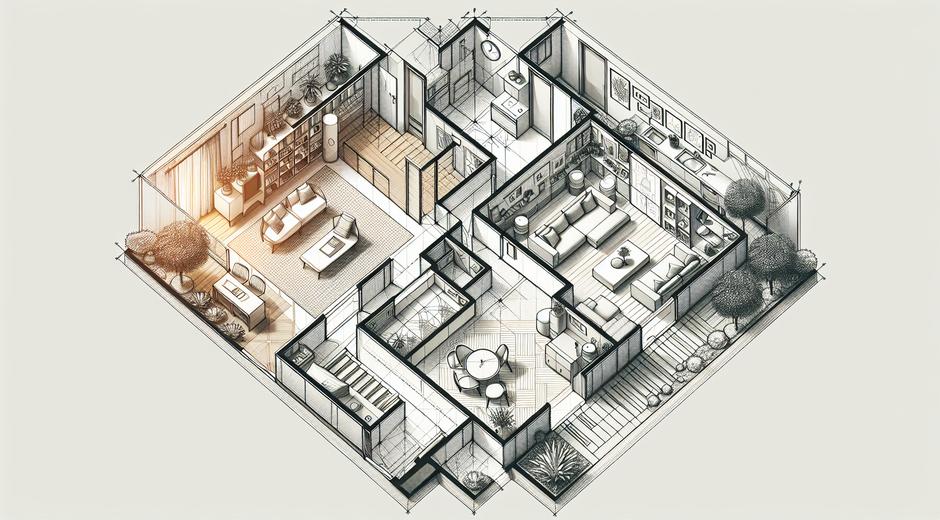
Start by observing how people will use the apartment. Work from primary needs such as cooking dining relaxing and sleeping and then design paths that link these activities logically.
Open plan arrangements promote flow when they maintain visual cues that separate functions. For example place the sofa with its back to the dining area to create a living zone while keeping the overall plan open. In a studio consider using a bookshelf as a partial divider to create privacy while preserving light and sight lines.
When remodeling consider moving non structural partitions rather than building new ones. This preserves natural light and keeps the plan airy. If you must add division use glass panels curtains or slatted screens that offer separation without blocking flow.
Lighting Color and Material Choices
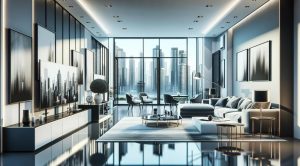
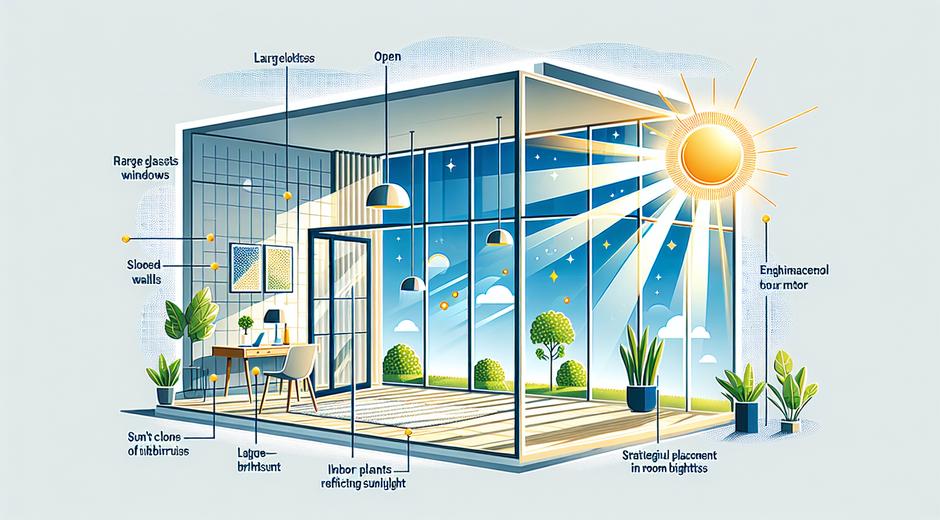
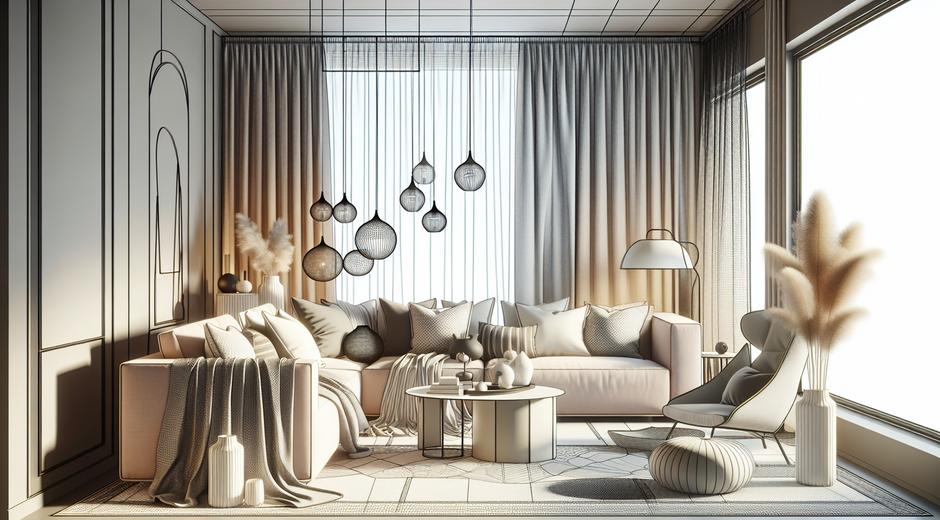
Apartment Design Flow depends heavily on how light and color interact. Lighter wall tones reflect natural light and make transitions between rooms feel seamless. Use a cohesive palette across connected spaces and reserve bolder color choices for focal walls or small accent areas so the eye does not stop abruptly.
Mirrors amplify both natural and artificial light and can be placed strategically to extend sight lines. Reflective surfaces on furniture and fixtures help maintain a sense of continuity. Choose flooring material that flows from one room to another with minimal breaks. Consistent flooring visually binds zones and makes pathways more intuitive.
Layered lighting supports activity based flow. Place ambient fixtures for overall illumination add task fixtures where specific activities occur and use accent lighting to highlight art and architecture. Light controls located at entry points make it easy to set the right mood as you move through the apartment.
Furnishing to Support Movement
The right furniture plan is the backbone of Apartment Design Flow. Start with a clear anchor piece such as the sofa in the living room or the bed in the bedroom. Build around that anchor placing secondary pieces where they support interaction without blocking access.
Choose furniture with slim profiles and raised legs to allow visual movement beneath and around pieces. Avoid arranging seating so that it faces a wall rather than the focal point of the room. In narrow rooms place furniture along the longer wall to open a clear path.
Storage furniture that doubles as surface space helps reduce clutter while maintaining flow. A console behind a sofa provides a surface for lamps and mail without breaking circulation. Use multi use pieces such as ottomans with interior storage and nesting tables that can move according to need.
Smart Storage and Decluttering
Clutter is the enemy of flow. Developed storage strategies preserve the rhythm of movement across an apartment. Use built in storage where possible to keep floors clear. High vertical storage works well in apartments because it takes advantage of unused height while leaving walking paths open.
Create drop zones near the entry for shoes keys and bags so items do not migrate through the apartment. In kitchens use organizers to keep counters clear and in bathrooms reserve closed storage for toiletries. Regularly edit belongings and embrace a storage ethos that keeps surfaces free to support walking and activity.
Design Flow for Families and Pets
Apartment Design Flow must also meet the needs of families and pets. Create durable surfaces and clear visual pathways so children can move safely and toys can be contained. Use washable rugs and fabrics and place soft corner protectors where needed.
For parents seeking play friendly ideas and routines there are resources that focus on safe and creative activities that fit small spaces. For ideas on play friendly storage and simple craft set ups visit CoolParentingTips.com where you will find practical tips that complement good design flow.
Bringing It Together With a Plan
To implement Apartment Design Flow follow a simple step by step plan. First audit how you use the apartment and note routes you travel daily. Second set priorities for zones based on activity frequency and then sketch multiple layout options focusing on free circulation paths. Third select furniture and storage that match scale and flow needs. Fourth set a cohesive palette and lighting plan to unify spaces.
Prototype by rearranging furniture before committing to purchases. Small adjustments like angling a chair or swapping a rug can have outsized effects on how people move and feel in the space. Finally allow room to evolve. Flow is not a fixed state but a living quality that adapts as needs change.
Conclusion
Apartment Design Flow transforms compact living into a sequence of comfortable functional and beautiful moments. By prioritizing sight lines circulation light and multifunctional furniture you can make any apartment feel larger calmer and more valuable. Use consistent floors light colors and smart storage to unify zones and support daily routines. Thoughtful design leads to living spaces that welcome activity and return you calm at the end of the day.
If you are searching for real world apartment ideas listings and advice that focus on practical design and livability remember to check metropropertyhomes.com for more resources and inspiration.