

Apartment Interior Harmony
Creating Apartment Interior Harmony is about crafting a living space that feels calm cohesive and personally meaningful. Whether you live in a studio a mid rise apartment or a family sized unit the principles that bring harmony remain the same. This article offers a step by step strategy that blends function with style to help you transform your apartment into a balanced sanctuary.
Why Apartment Interior Harmony Matters
Harmony inside an apartment improves daily living by reducing visual clutter and boosting emotional calm. A harmonious interior supports better rest clearer focus and an improved sense of wellbeing. For renters and owners alike harmony increases the value of the space by making each room feel intentional and welcoming. If you are browsing listings or looking for styling inspiration visit metropropertyhomes.com to explore ideas that match your layout and budget.
Core Principles of Apartment Interior Harmony
At the heart of Apartment Interior Harmony are a few core principles that guide design choices. Keep these in mind when planning any change.
1. Consistency of style and color. A unified palette and a consistent design language make a space read as one whole rather than a collection of parts.
2. Balance of scale and proportion. Furniture should match the size of the room. Oversized pieces overwhelm small rooms. Too many tiny items create a scattered feel.
3. Flow and circulation. Ensure there is clear movement between zones so the apartment functions well for daily use.
4. Layered lighting. Combine ambient task and accent light to create depth and flexibility.
5. Purposeful storage. Hidden storage and well organized open storage keep surfaces calm and visually appealing.
Choosing Colors and Light for Harmony
Color and light are the most powerful tools for establishing mood. Start with a base palette of two or three neutral tones for large surfaces such as walls floors and major furniture. Add one or two accent colors in soft tones for textiles art and small objects. This keeps the space cohesive without feeling flat.
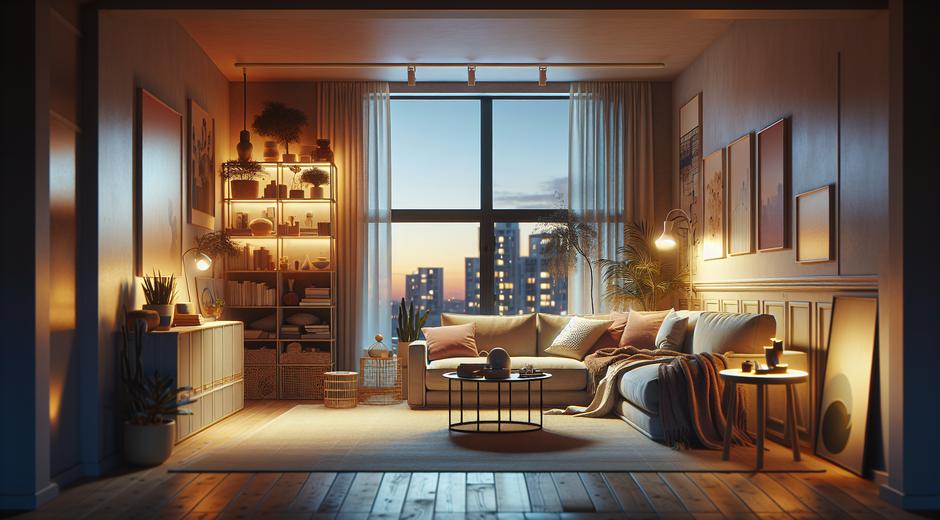
Natural light magnifies colors and textures. Use sheers or light filtering treatments to maintain privacy while allowing daylight to wash surfaces. For evening hours choose warm white bulbs to create a cozy inviting atmosphere. Dimmers are a smart addition because they let you shift intensity to match activity and mood.
Furniture Layout and Flow
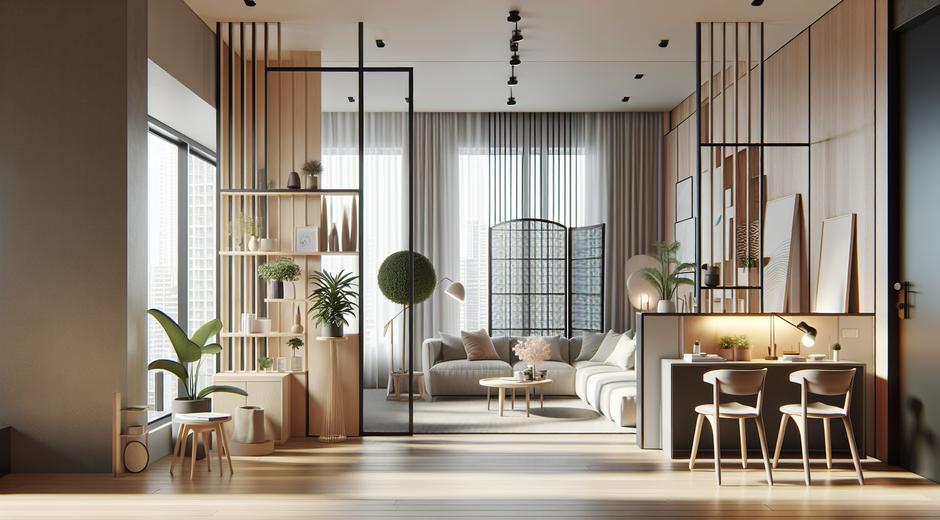
Good furniture layout supports both social life and solitude. In small apartments opt for multi purpose furniture that supports seating storage and sleeping functions. Place major seating so it faces the main focal point whether that is a window a piece of art or a media wall. Leave clear pathways that make circulation effortless.
Float a sofa away from a wall when space allows to create zones and improve flow. Use rugs to anchor seating areas and to define zones without building walls. When choosing scale pick pieces that breathe with the room. A compact table with clean lines can be more effective than an ornate piece that dominates the visual field.
Textures Materials and Finish Harmony
Textures create sensory richness while keeping color restrained. Mix smooth textiles like leather and linen with softer textures such as wool and cotton to add depth. Bring in natural materials like wood stone or woven fibers to add warmth and to balance harder finishes.
Finish harmony matters for a cohesive look. Coordinate metal finishes on hardware and lighting so they repeat rather than compete. A small amount of contrast is healthy but aim for a limited palette of finishes to maintain unity.
Smart Storage and Decluttering Habits
Clutter disrupts harmony more than any other factor. Build storage into daily routines and furniture choices. Hidden storage under beds inside benches and behind cabinet doors keeps surfaces clear. Open shelving works when it is curated. Display only items that are meaningful and store the rest out of sight.
Adopt simple habits like a daily five minute tidy and a monthly review of items that are no longer used. These habits prevent accumulation and preserve the calm you worked to create.
Small Space Tactics for Harmonious Living
Small apartments require special attention to scale and multifunction. Choose fold away or modular pieces to shift function throughout the day. Use vertical space for storage and display to free floor area. Mirrored surfaces and reflective finishes can increase perceived depth and light.
Opt for clear furniture such as glass or acrylic when you want the floor plan to feel open. Keep major elements low and horizontal to avoid visual crowding. In small kitchens and bathrooms use consistent cabinetry finishes to extend the visual plane and make the space feel larger.
Personal Touch and Style Without Chaos
Harmony does not mean blandness. Your personality should show through art textiles and a few curated objects. Use repetition of shapes or colors across rooms to unify eclectic items. For example the same accent color in a cushion a vase and a framed print ties the objects together.
Rotate small collections rather than display everything at once. This keeps the environment fresh while avoiding visual overload.
Practical Steps to Create Apartment Interior Harmony
Follow a clear process to apply these ideas effectively.
1. Audit your space. Walk through each room and note what works and what creates visual tension.
2. Define your palette. Choose base neutrals and two accent hues. Limit finish choices to two families such as warm metals and natural wood.
3. Edit and store. Remove items that do not fit your plan. Place them in boxes for review after a set time.
4. Create zones. Use rugs furniture and lighting to define activity areas.
5. Layer light. Add task lamps and uplights to complement overhead fixtures and to create depth.
6. Add texture and art. Use textiles and curated art to introduce personality without clutter.
7. Maintain. Set a weekly tidy and a seasonal review to keep the space aligned with your needs.
Tools and Resources
There are many resources that support learning about design theory and practical techniques. For example a reliable site for structured guidance on study methods and creative problem solving is StudySkillUP.com which can help you approach design projects with a clear plan and productive habits.
Maintenance and Seasonal Updates
Harmony is maintained through small regular actions. Rotate textiles to reflect the season. Clean and polish finishes to preserve their impact. Reevaluate layout once a year to adjust for changing needs or new purchases. These updates keep the space responsive and avoid visual stagnation.
Conclusion
Apartment Interior Harmony is achievable with intention planning and a few simple habits. By focusing on a limited palette consistent finishes purposeful storage and layered light you can craft a home that supports rest work and social life. Start with a small audit pick one room to transform and follow the practical steps above. Over time the cumulative effect will be a calm coherent apartment that matches your lifestyle and enhances daily life.
If you are ready to explore apartment options and find a space that suits your design goals visit metropropertyhomes.com to discover listings styling tips and expert advice.