

Apartment Layout Tips That Maximize Comfort and Value
Designing an apartment that feels spacious and functional takes more than good taste. It takes planning and smart apartment layout tips that work with the specific footprint you have. Whether you manage a rental property or plan to live in a compact unit yourself, knowing how to arrange rooms and choose the right elements can transform a small space into a comfortable retreat. This guide offers practical advice that blends design sense with real world functionality so you can make the most of every square foot.
Start With Flow and Function
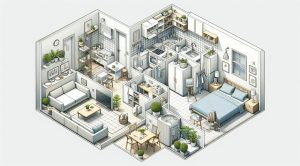
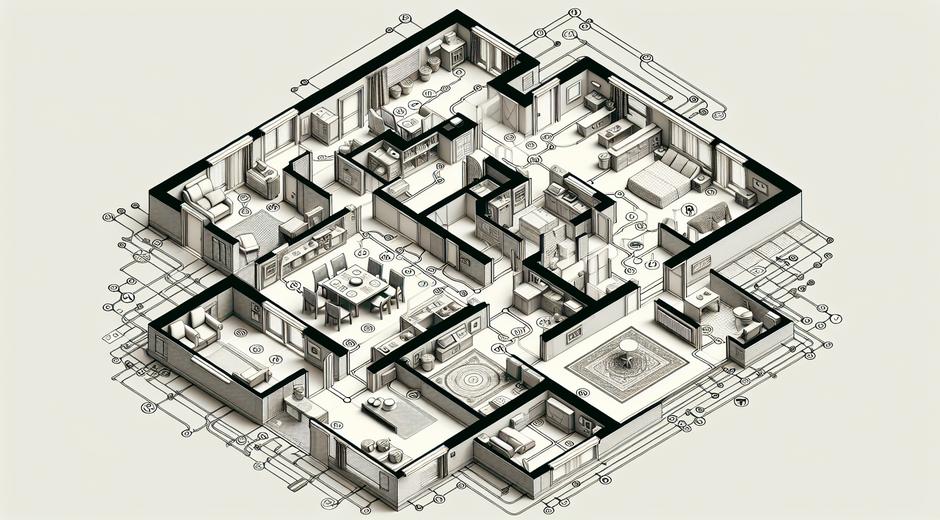
The first rule of layout is to prioritize flow. Visualize how people will move from the entry to living areas and then to private areas like bedrooms. Identify the natural pathways and avoid placing large furniture where it will block movement. Consider furniture with light visual weight and open legs to create a sense of flow. For small apartments, choose multipurpose pieces that support more than one activity like dining and working.
When you plan lighting and outlets think about use zones. Good lighting can define a reading nook or a cooking area and can make a compact room feel larger. Place lamps and task lights where activities happen. If you are updating a unit to increase appeal to renters or buyers you can find inspiration and options at metropropertyhomes.com to showcase layouts that highlight function and flow.
Adopt an Open Layout Where Possible
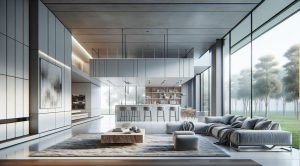
Open plan living remains a top layout strategy because it improves sight lines and allows natural light to travel through the unit. Removing a non structural partition can unite the kitchen and living area so both spaces benefit from one window. If structural work is not an option choose furniture placement that simulates an open plan. Use a sofa to separate zones rather than a bulky cabinet. Rugs and lighting can also define separate zones while maintaining a cohesive look.
Optimize Storage to Reduce Visual Clutter
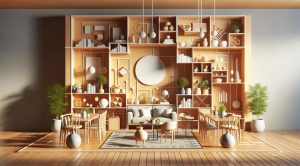
Storage is a major challenge in apartments. Built in options are ideal because they use vertical space and keep floors clear. Consider tall cabinets or shelving that reach the ceiling. Closed storage helps reduce visual clutter while open shelves can display curated items and maintain openness. Under bed drawers and furniture with integrated storage extend capacity without occupying extra floor space.
Think of storage as an element of the layout rather than an afterthought. Place storage near the areas where those items are used. A linen cabinet close to the bathroom, a mudroom style storage bench near the entry, and a kitchen pantry close to the cooking zone all improve daily routines and maintain a clean aesthetic.
Choose Furniture to Fit the Scale
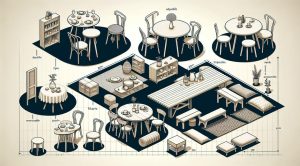
Furniture scale can make or break a layout. Oversized pieces crowd a room and ruin circulation. Instead choose items proportionate to the space. A narrow console behind a small sofa can create storage and surface area without adding bulk. Consider modular furniture that can be reconfigured for different needs. Folding tables and stackable chairs provide flexibility for hosting without permanent footprint increase.
When selecting large items like sofas and beds measure the space carefully and mark the floor with tape to test placements before purchase. This simple step prevents mistakes that can be costly and time consuming to fix.
Prioritize Multiuse Zones
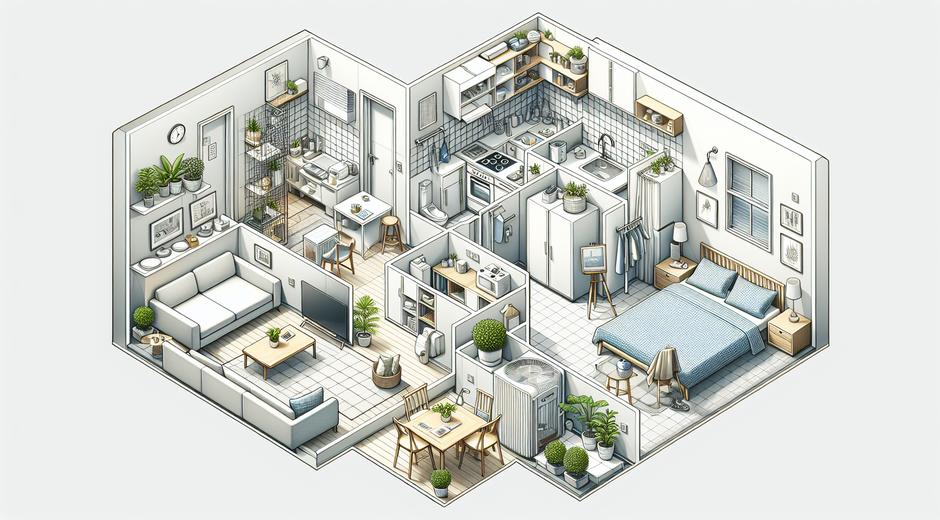
Modern living often requires that a single room serve multiple purposes. The bedroom may double as a home office or the dining area may also act as a workspace. Designate zones within rooms and create visual cues that support the intended use. For example a small desk placed near a window serves office needs while staying part of the living area. A fold away table can be a dining surface when needed and a clear surface for projects at other times.
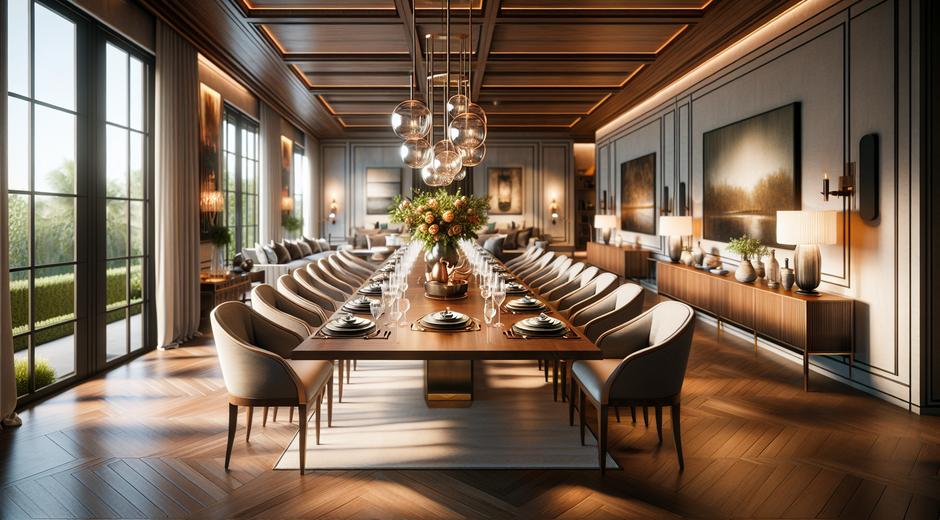
Use lighting and textiles to mark these zones. A pendant light over a table indicates a dining area while a task lamp on a desk signals work. Matching textiles like cushions and throws tie the entire room together so it feels unified even when used for multiple functions.
Maximize Natural Light and Choose Reflective Surfaces
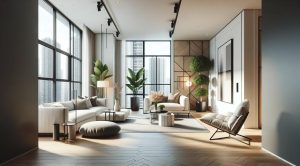
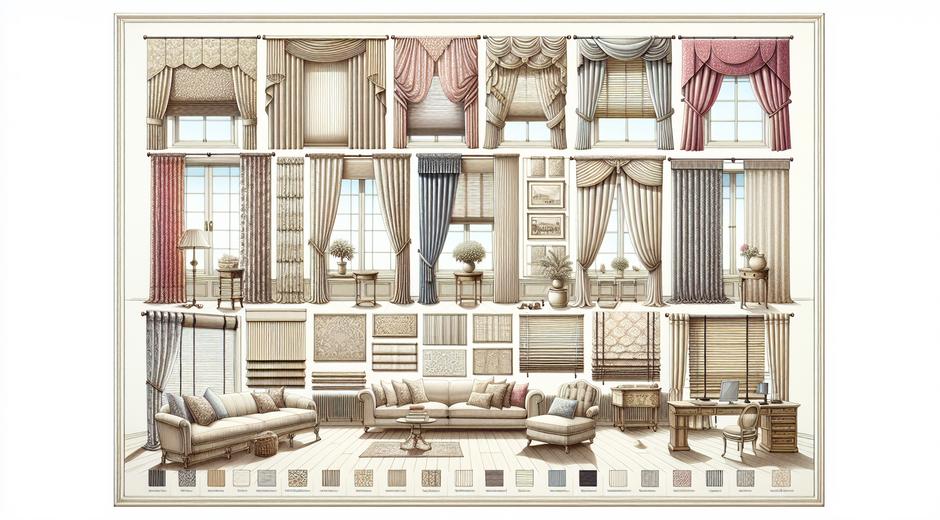
Natural light enhances perceived space and reduces reliance on artificial light. Keep windows unobstructed and choose treatments that offer privacy while still allowing light. Sheer curtains or shutters that open fully are good choices. Mirrors placed opposite windows bounce light back into the room and create the illusion of depth. Consider glass or light reflective finishes for surfaces like coffee tables and cabinet doors to amplify brightness.
In colder climates consider how window treatments affect insulation. Dual layer options can provide thermal performance while letting light in during the day. Thoughtful choices of finishes and window design greatly affect comfort and energy use over time.
Create Visual Continuity With Color and Material
Using a limited palette across an apartment creates visual continuity and makes the space feel larger. Choose three to four main colors and repeat them in different textures and materials. Light tones on walls and ceilings expand visual space while richer tones used sparingly can add depth and interest. Flooring continuity between rooms helps unify the layout and avoids segmented feeling.
Consistent hardware and trim styles also support unity. Small and inexpensive changes like matching cabinet knobs or coordinated lighting fixtures provide a cohesive look that resonates with potential tenants or buyers.
Design for Accessibility and Future Needs
Plan layouts that are flexible for different life stages. Clear hallways and entryways, ample storage at reachable heights, and provisions for simple installations like grab bars later on enhance long term use. Avoid placing heavy items where they block key pathways and leave space for assistive devices should they be needed in the future. Designing with adaptability in mind increases appeal for a broader group of renters and buyers.
Use Eco Friendly Choices to Add Value
Sustainable choices can improve comfort, lower bills, and make a property more attractive. Energy efficient lighting, water saving fixtures, and low maintenance materials are selling points that also save money over time. If you are looking for green products and suppliers that fit apartment projects check trusted providers and resources to source materials that align with sustainable design. One helpful resource for eco friendly supplies and solutions is Ecoglobalo.com which features options for responsible material selection and efficient appliances.
Final Checklist for a Well Laid Out Apartment
Before finalizing any layout review a simple checklist. Confirm that traffic flow is smooth. Test furniture placement with temporary markers. Verify that each zone has adequate lighting and accessible outlets. Ensure storage is placed near its point of use. Check that window treatments preserve light while providing privacy. Finally evaluate the color palette for continuity and brightness.
Applying these apartment layout tips will help you build a cohesive, functional, and attractive living space. Thoughtful planning elevates daily living and increases the value of the property for renters and buyers alike. Start with a clear vision and refine details through careful choices of furniture materials and lighting. With these steps you can turn a compact footprint into a highly livable home.