

Compact Kitchen Planning
Designing a compact kitchen requires strategy precision and creativity. Whether you are working with a studio apartment a small city flat or a compact home the right Compact Kitchen Planning can transform a tight area into a highly efficient cooking and living zone. This article covers practical design principles layout options storage solutions and finishing touches that boost function and style while keeping the space comfortable and easy to use.
Why Compact Kitchen Planning matters
Small kitchens are common in urban properties and at times they can feel limiting. Thoughtful Compact Kitchen Planning focuses on workflow storage and light to make every inch count. A well planned compact kitchen reduces clutter shortens meal prep time and increases the value of your property. Good planning also helps avoid costly mistakes like buying appliances that are too large or selecting cabinets that block natural light.
Assess your space and needs
Start with a thorough assessment. Measure wall lengths cabinet heights ceiling height and window and door locations. Note the location of plumbing electrical outlets and ventilation points. Decide how you use the kitchen. Do you cook daily entertain guests or prefer quick meals? Knowing your habits helps determine the must have features and which items can be scaled down or eliminated.
Choose the right layout
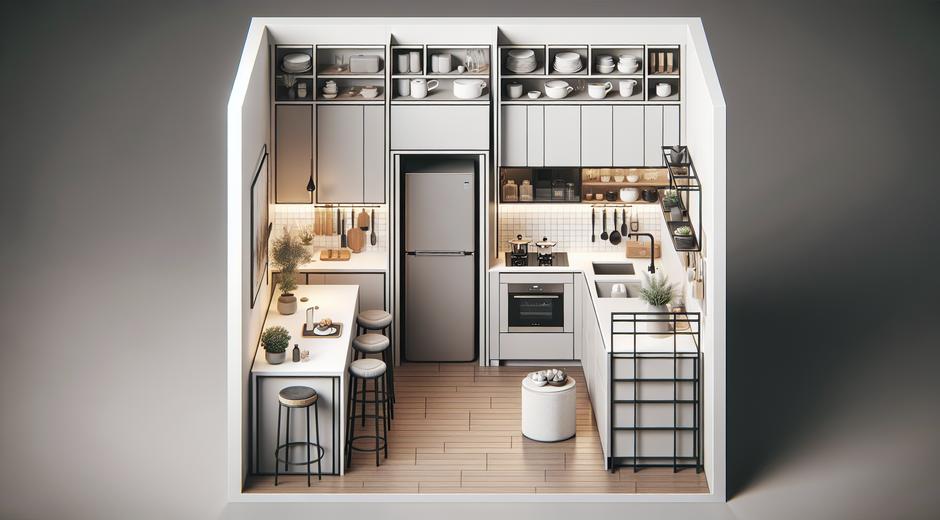
Several layout types work well for compact kitchens. One wall layouts place all elements along a single wall for a clean linear solution. Galley layouts use two parallel runs offering efficient work flow and increased counter space. L shaped layouts provide a corner work triangle that is ideal for small to mid size spaces. Peninsula layouts add a partial divider that can double as a dining bar. Pick a layout that supports the cook work triangle between sink stove and refrigerator while keeping traffic flow smooth.
Optimize storage with smart solutions
Storage is the heart of Compact Kitchen Planning. Use tall cabinets to take advantage of vertical space. Deep drawers are often more usable than lower cabinets because they keep items visible and accessible. Pull out pantries sliding trays and corner carousels make hidden corners usable. Open shelving can reduce visual bulk and make items easy to reach but balance that with enough closed storage to hide clutter.
Consider multipurpose furniture. A fold away table or drop leaf counter can serve as prep space and fold away when not in use. Magnetic knife strips wall mounted rails and hanging racks free up counter and drawer space while keeping essential tools within reach.
Select appliances and fixtures with scale in mind
Appliance size has a big impact on a compact kitchen. Look for slimline fridges compact dishwashers and combination appliances that combine oven and microwave functions. Induction cooktops come in smaller widths and provide quick precise heat control without bulky range hoods. Choose a single basin sink if you need more counter area or opt for an integrated sink that blends into the counter surface for a seamless look.
Lighting and ventilation
Good lighting expands perception of space. Layer lighting with task ambient and accent fixtures. Under cabinet lights illuminate counters and reduce shadows while pendant lights over a small dining bar add visual interest. Maximize natural light by keeping window treatments minimal and reflective surfaces light in tone. Ventilation is critical in compact kitchens to remove odors and moisture. If ducted ventilation is not possible choose a high quality recirculating hood with effective filtration.
Materials color and finishes
Color and finish choices influence how roomy a kitchen feels. Light colors reflect light and open the space. Consider glossy cabinet fronts or glass to reflect light and create depth. Matte finishes can be integrated as accents to add warmth. Use uniform materials for counters and backsplashes to reduce visual breaks. Durable surfaces that resist stains and are easy to clean are ideal for busy compact kitchens.
Work flow safety and ergonomics
Plan for ergonomic comfort. Keep frequently used items within easy reach and place heavy appliances lower to avoid lifting strain. Maintain clear walking paths and avoid placing the refrigerator opening into a high traffic zone. Include slip resistant finishes near the sink area and ensure proper clearance around cooking appliances. Well organized compact kitchens are safer efficient and more pleasant to use.
Smart solutions and tech integration
Technology can amplify the utility of compact kitchens. Smart faucets reduce water use and free up hands when cooking. Energy efficient appliances lower utility costs and free up heat load in small spaces. Consider integrated charging stations and under cabinet Bluetooth speakers for a modern connected feel. Smart storage solutions that use soft close hardware and lift up cabinet doors can reduce noise and improve access.
Budget timeline and planning checklist
Start with a realistic budget. Small projects can still escalate if changes occur during construction. Create a timeline that includes design selection procurement and installation. Order custom components early to avoid long lead times. Keep a contingency fund for unexpected costs and confirm return policies for appliances and finishes.
- Measure twice and verify every opening.
- Prioritize storage for items you use daily.
- Choose compact appliances that match your cooking style.
- Test layout with simple mockups to verify ergonomics.
- Plan lighting layers and ventilation early in the design.
Common mistakes to avoid
Avoid cluttering counters with too many appliances. Resist the urge to buy oversized furniture or appliances that will dominate the space. Do not ignore ventilation or lighting since these are often overlooked yet essential for comfort and safety. Finally avoid choosing too many contrasting finishes which can make a small kitchen feel chaotic rather than cohesive.
Inspiration and further resources
If you are redesigning a compact kitchen and want curated ideas and product recommendations visit BeautyUpNest.com for clever storage guides and styling tips that work well in small spaces. Their content focuses on practical transformations and easy projects that fit tight budgets and tight spaces.
Final checklist and next steps
Before you begin demolition or purchase any major components walk through your plan with a professional contractor or designer. Confirm dimensions fixtures and appliance clearances. Take high resolution photos of the current space and annotate them with measurements and key decisions. If you are exploring properties where compact kitchens are common you may want to browse listings and renovation tips on metropropertyhomes.com to find examples and inspiration for layouts that match your lifestyle.
Compact Kitchen Planning is about maximizing function and beauty within limited space. With deliberate layout choices smart storage and the right lighting and materials you can create a kitchen that feels spacious efficient and welcoming. Use the checklist in this article to guide your process and transform your compact kitchen into a space that supports how you live and entertain.