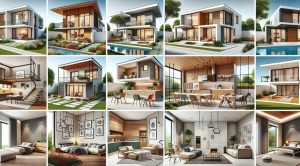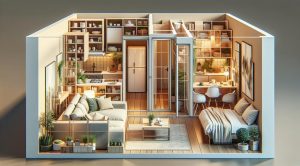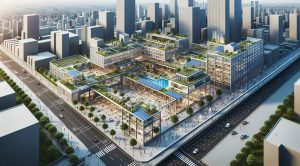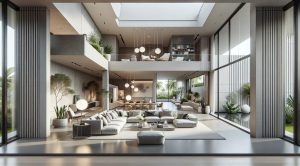


Contemporary Home Layouts
Why Contemporary Home Layouts Matter
Contemporary home layouts shape how we live day to day by creating a flow that matches modern life. These layouts prioritize natural light, flexible zones and a sense of openness without sacrificing privacy. For homeowners and designers the goal is clear. Create spaces that feel intentional and comfortable while supporting varied activities from work to relaxation. When you plan a new build or update an existing home understanding the core ideas behind contemporary home layouts will deliver a higher quality living experience and stronger long term value.
Core Principles of Contemporary Home Layouts
Contemporary home layouts rest on a few core principles that guide design decisions. First is spatial clarity. Rooms and pathways are organized so movement feels intuitive. Second is adaptability. Spaces are designed to serve multiple functions as needs change. Third is connection to light and outdoors. Large windows and views strengthen the link between interior and exterior. Fourth is minimalism in circulation. Redundant corridors are reduced so usable area grows. Together these principles produce homes that work well for families singles and shared households.
Open Plan Living Without Compromise
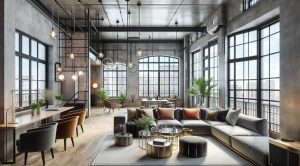
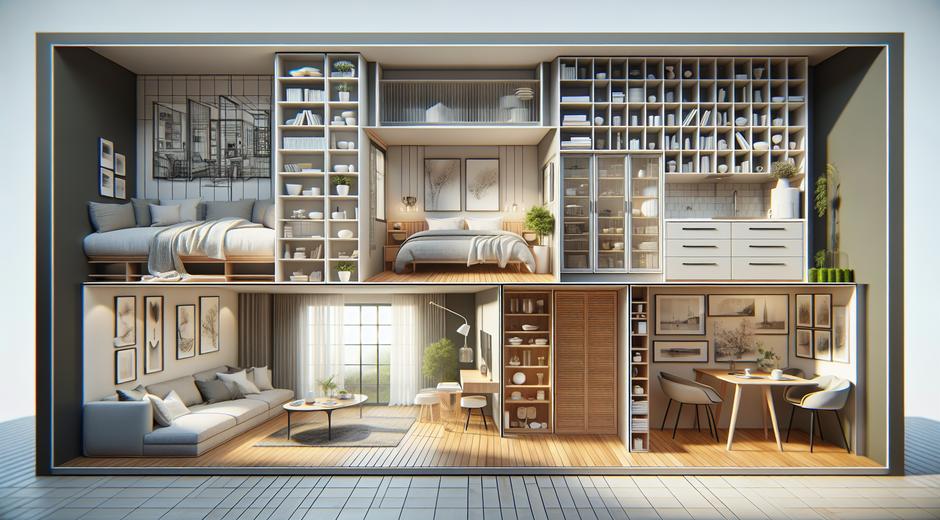
Open plan living is a hallmark of contemporary home layouts but it is not a simple rule to apply mindlessly. The best designs use open plan strategies to join living dining and kitchen areas while preserving distinct zones for cooking and socializing. Furniture placement floor materials and ceiling treatment are tools to define areas without walls. Consider partial screens sliding panels or tall storage elements to create visual separation when needed. This approach keeps the airy and sociable feel while giving each area its own identity.
Room by Room Guide to Contemporary Layouts
Kitchen: In contemporary home layouts the kitchen often becomes the social hub. Islands with seating work well for casual meals and entertaining. Appliances should be integrated to preserve clean lines. Allow for generous counter zones and clear pathways to the dining area and outside.
Living Area: Maximize natural light and arrange seating to encourage conversation and clear sight lines. Built in storage reduces clutter and enhances the minimal look. Think about how media and audio elements are integrated so technology does not dominate the aesthetic.
Bedrooms: Privacy and calm are key. Place bedrooms away from the busiest parts of the house when possible. En suite baths and walk in closets add convenience and help create a restful private zone. Use layered lighting to support relaxation and reading.
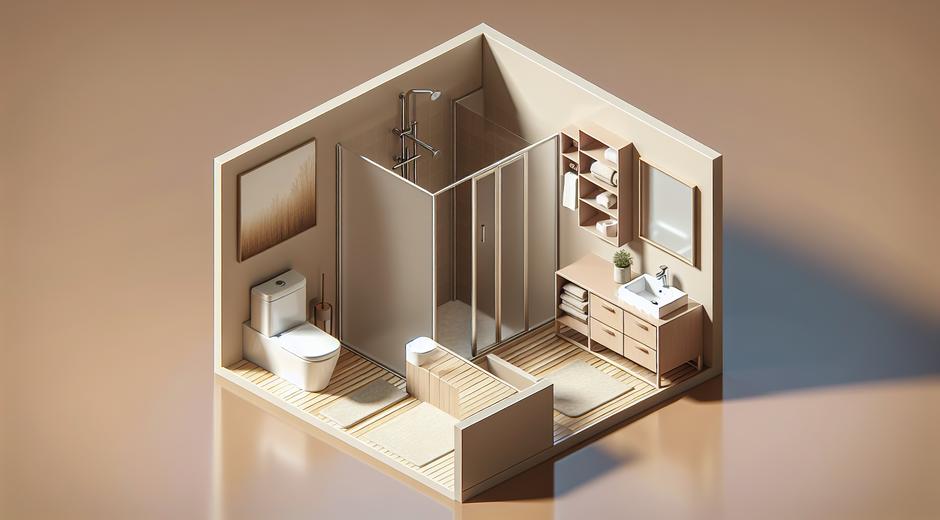
Bathrooms: Contemporary bathrooms favor simple geometric forms and quality materials. Walk in showers and floating vanities enhance the sense of space. Consider natural stone or wood like materials that bring warmth without fuss.
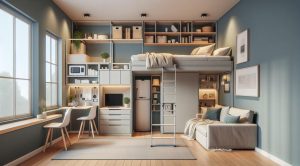
Home Office: With remote work established as a common practice a dedicated office zone is essential. Locate it with access to natural light and close to main living areas to avoid isolation. Flexible furniture lets the space double as a guest room or hobby area.
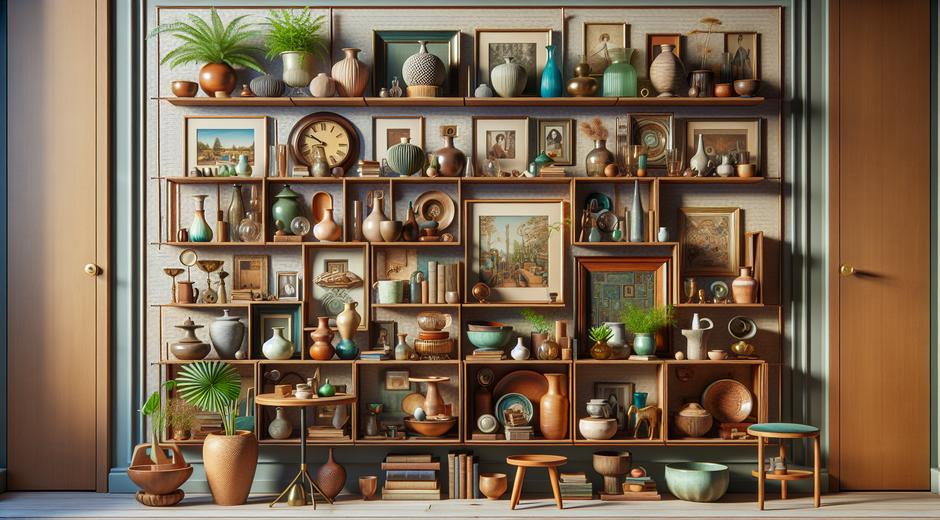
Entry and Storage: Contemporary home layouts emphasize entry zones that function as transition spaces. Built in benches good storage and clear sight lines to the rest of the home make arrivals and departures simple and tidy.
Integrating Indoor and Outdoor Spaces
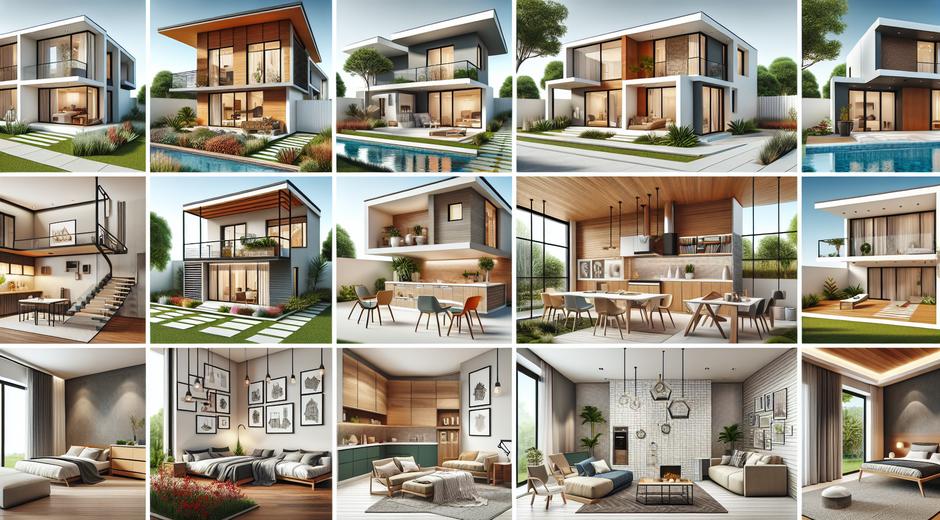
A strong connection between indoor and outdoor spaces is a key element of contemporary home layouts. Large sliding or folding doors create a seamless threshold for entertaining and day to day living. Outdoor rooms such as covered patios become extensions of the kitchen or living area so that garden dining or relaxing is part of the daily routine. Planting and grading should be considered early to frame views and provide privacy without heavy fencing. Thoughtful outdoor design increases usable living area and enhances resale appeal.
Lighting and Material Choices
Lighting defines mood and function in contemporary home layouts. Combine plentiful natural light with layered artificial lighting. Recessed and track lights provide general illumination while pendant lights and task lamps create focused zones. Use materials that age gracefully and keep surfaces easy to maintain. Natural woods stone and engineered surfaces deliver tactile warmth while neutral palettes maintain the contemporary feel. Accent colors and texture can be introduced through textiles art and selected furniture pieces so the overall composition remains calm.
Flexibility and Future Proofing
Anticipate future needs by designing flexible rooms and systems. Use wider hallways and doorways to improve mobility access. Design mechanical systems that allow for upgrades in heating cooling and wiring without major demolition. Consider multi generational living by planning private suites that can be integrated or separated as needed. Flexibility extends to furniture and storage choices so the layout can adapt to new routines and technologies without losing its core identity.
Energy Efficiency and Comfort
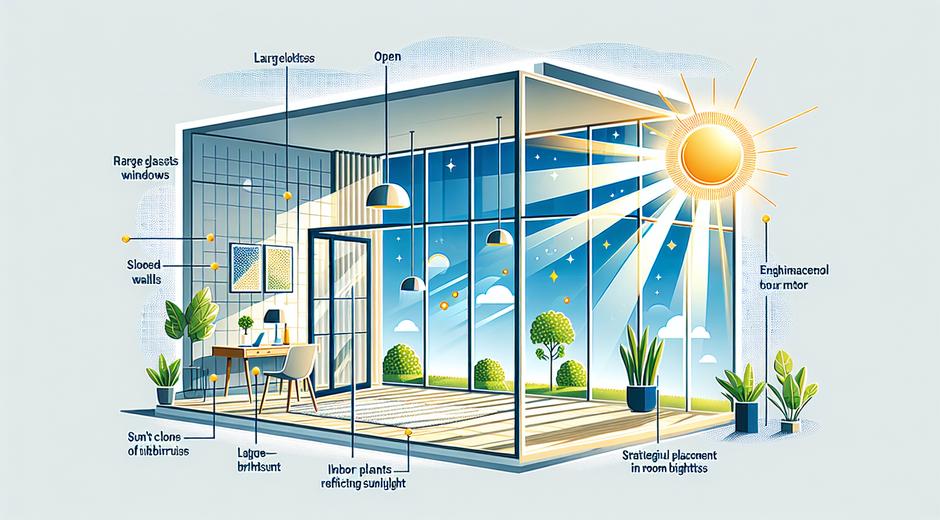
Contemporary home layouts should pair aesthetic goals with energy efficiency. Orient main living spaces to capture passive solar gain while using shading devices to prevent overheating. High performance windows and continuous insulation reduce energy use and increase comfort. Mechanical systems sized for efficiency and a good ventilation strategy improve indoor air quality. These measures reduce operating costs and make a home more attractive to eco conscious buyers.
Planning Tips for Designers and Homeowners
Begin with a clear program. List activities and priorities for each space so the layout can respond to actual use. Use simple bubble diagrams to define relationships between rooms before committing to walls. Pay attention to circulation. Avoid long corridors by connecting rooms through shared zones. Prioritize storage and entry planning early because these often become constraints later. Test layouts at multiple scales using physical mockups or software so you can verify proportions and daylighting. Work with builders early to understand cost implications of desired features and refine the plan to balance ambition and budget.
How to Find Ideas and Sources
Research precedents and case studies to gather ideas for contemporary home layouts. Visit show homes attend exhibitions and study digital galleries to see how designers solve similar challenges. When looking for curated content and practical tips you can trust check reputable online resources. For example many readers find useful advice on material selections and styling at BeautyUpNest.com. For local listings contractor profiles and layout inspiration consider visiting metropropertyhomes.com for a broad view of property types and updates that reflect current trends.
Conclusion
Contemporary home layouts deliver a blend of function comfort and visual clarity that suits modern lifestyles. By focusing on spatial clarity adaptability natural light and strong indoor outdoor links you can create a home that is both beautiful and practical. Careful planning around circulation storage and energy efficiency will ensure the layout performs well today and remains resilient over time. Whether designing a new home or updating an existing one these principles provide a reliable framework to make spaces that support how you live and welcome others.