

Dining Room Styling: Transform Your Dining Space with Style and Function
Dining Room Styling is more than choosing a table and chairs. It is the act of creating a space that invites people to gather eat and share stories. Whether you live in a compact urban flat or a roomy house the way you style your dining room affects mood comfort and even how often you use the space. This article will guide you through practical ideas and creative tips to make your dining space both beautiful and highly functional.
Create a Cohesive Layout
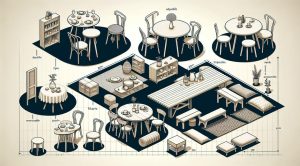
The foundation of great Dining Room Styling is a cohesive layout. Start by measuring your room and plotting where each piece of furniture will sit. A clear path around the table helps traffic flow and prevents collisions during a meal. Think of zones. A main dining zone centers on the table and seating. If space allows include a secondary zone for serving or a small reading nook. Position the table so that doors and windows frame the space rather than interrupt it.
Scale matters a lot. Oversized furniture can overpower a small room while tiny pieces can make a large room feel empty. Aim for balance between the size of the table the chairs and the surrounding clearance. Leave at least enough space for chairs to be pulled out and for people to walk behind seated guests.
Choose the Right Color Palette
Color sets the tone. Warm colors create a cozy intimate vibe while cool colors feel calm and modern. For Dining Room Styling aim for a base palette of two to three colors and introduce accents that add personality. Neutral walls provide a calm backdrop that allows furniture and art to stand out. If you prefer a bold statement choose one wall for a richer hue and keep the rest subdued so the room does not feel overwhelming.
Layer color with materials and finishes such as wood metals and textiles. A wooden table brings warmth while a metallic light fixture adds brightness. Rugs and curtains are simple ways to introduce pattern and color without committing to paint on every surface.
Lighting that Matters
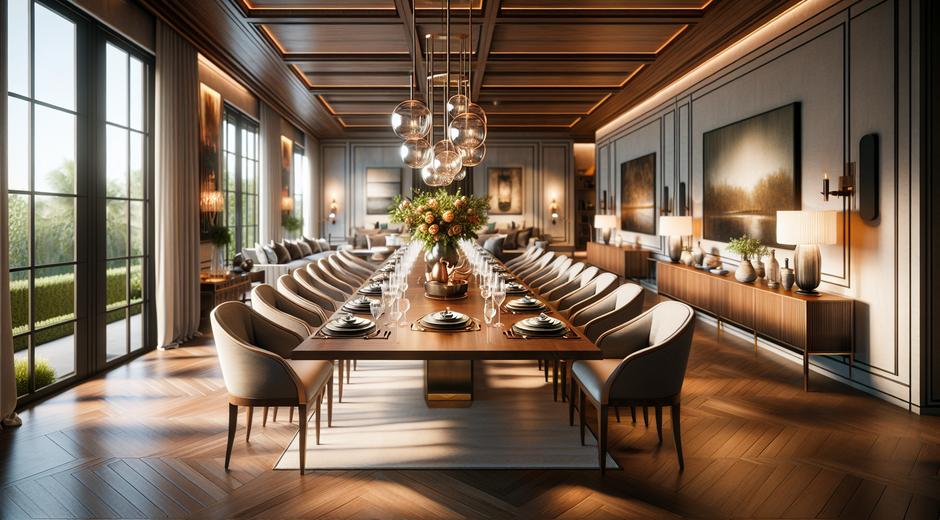
Lighting is a game changer for Dining Room Styling. A single strong light above the table creates intimacy and focus. Choose a fixture that complements the table size and overall style. The bottom of a pendant should hang at a height that illuminates the tabletop without blocking sight lines. If your table is near a window take advantage of natural light during the day and layer in ambient and accent lighting for evenings.
Dimmers are a simple upgrade that allow you to change mood at the touch of a switch. Accent lights such as wall sconces or uplights highlight art and architectural details and add depth to the room.
Furniture and Scale
Select furniture that meets both form and function. A dining table should fit the room and the number of people you host most often. Extendable tables are flexible for guests. Chairs should be comfortable for long meals and match the table height. If you use benches they provide seating flexibility and a relaxed look.
Complement the main pieces with side furniture such as a buffet or console. These items add storage and surface space for serving. Choose pieces that echo materials or colors used in the room to keep the design cohesive.
Textiles and Table Styling
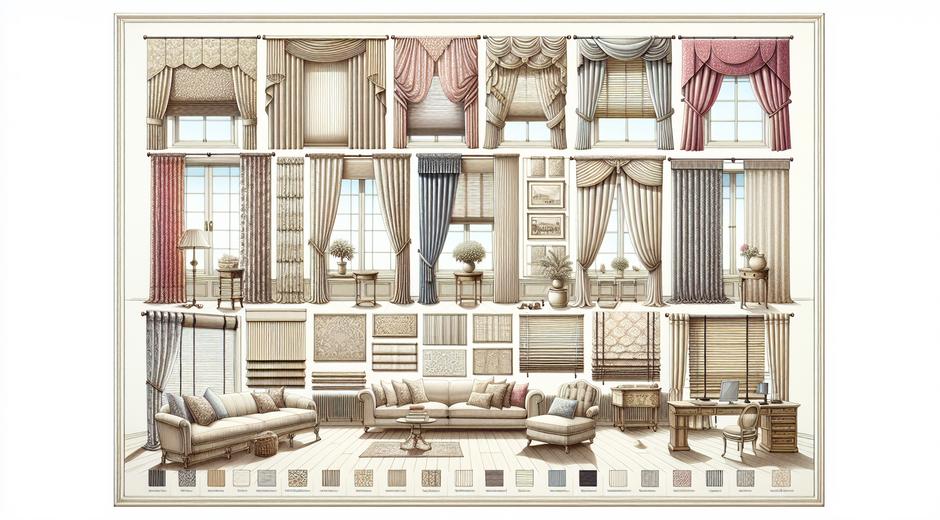
Textiles bring softness and warmth. A rug anchors the table and defines the dining zone. Make sure the rug is large enough so chairs remain on it even when pulled out. Table linens such as runners placemats and napkins add texture and can change the mood quickly for holidays and seasons.
Table styling is where Dining Room Styling meets hospitality. Keep a few key items for everyday use such as a simple centerpiece a set of matching napkins and a tray for condiments. For special occasions layer in decorative plates candles and fresh flowers. Aim for a look that feels inviting not fussy.
Art and Accessories
Art personalizes the space. A single large piece can act as a focal point while a gallery wall offers a curated look. Mirrors add light and depth. When placing art think about sight lines from the table so pieces are appreciated during meals.
Accessories complete the story. Vases bowls and sculptural objects add interest. Keep groupings simple and edit often to avoid clutter. Rotate accessories seasonally to refresh the room without a major overhaul.
Storage and Practicality
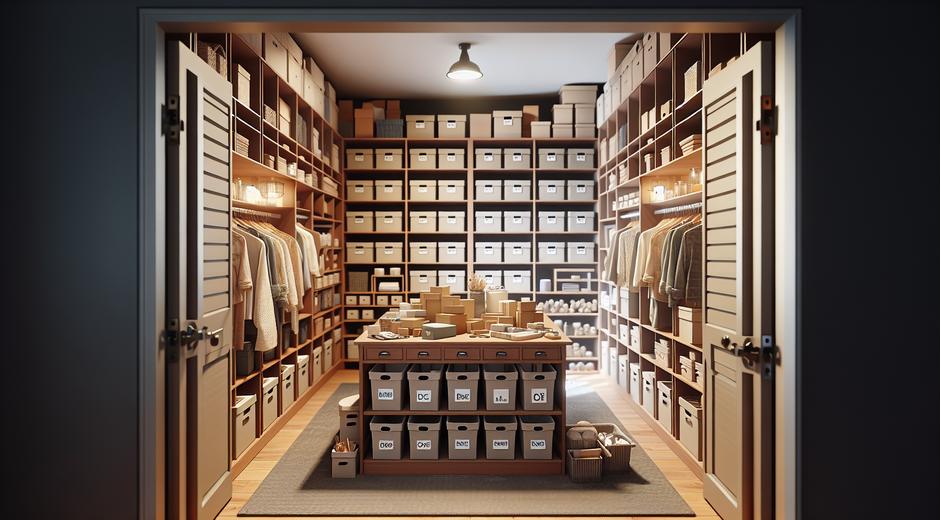
Dining rooms often need to do double duty as storage or staging areas. Built in cabinets or a freestanding buffet help keep tableware linens and serveware organized. Open shelving can display attractive items while closed storage hides less pretty essentials.
Practicality also means choosing finishes that stand up to use. Stain resistant fabrics and easily cleaned surfaces make hosting less stressful. When selecting materials think about maintenance as well as beauty.
Dining Room Styling for Small Spaces
Small rooms require creative solutions. Opt for a round table to save space and improve flow. Foldable or extendable tables provide flexibility. Use light colors and reflective surfaces to create a sense of openness. Vertical storage takes advantage of height without crowding floor space. Mirrors and slim furniture pieces keep the visual field uncluttered.
Using multifunctional furniture helps. A sideboard can double as a bar or a workspace when not hosting. Clear or open leg chairs minimize visual weight and help a small room feel larger.
Styling on a Budget
You do not need a big budget to achieve great Dining Room Styling. Start with the items that have the greatest impact such as paint lighting and a rug. Thrift stores and online marketplaces can yield unique finds that add character. Refinish an old table instead of buying new. Swap out hardware on a buffet to refresh its look.
Shop smart for textiles and accessories. A new set of napkins or a statement centerpiece can transform the feel of the room. Plan purchases so they build on each other over time rather than trying to do everything at once.
Seasonal Updates and Maintenance
Rotate textiles and centerpieces with the seasons to keep the room feeling fresh. In spring bring in fresh flowers and light fabrics. For cooler months add heavier textiles candles and a richer color palette. Regular maintenance such as cleaning upholstery and polishing wood keeps the room inviting.
Document the arrangement that works best for you. Photos and notes help you recreate setups for future events and make small changes with confidence.
Final Thoughts and Resources
Dining Room Styling is a blend of design and practicality. Focus on creating a layout that flows choose a color palette that feels right add layers of light and texture and select pieces that fit your lifestyle. Small changes can yield big results and seasonal updates keep the room lively and welcoming.
For inspiration and ideas on property design visit metropropertyhomes.com where you can find features on space planning and styling across many property types. If you want to explore related learning paths and skill building resources consider checking StudySkillUP.com for courses and guides that help develop design thinking and project planning skills.
With thoughtful choices your dining space will become a place where meals feel special and everyday moments feel more connected.