

Flexible dining layouts
Flexible dining layouts are a key selling point for modern homes and rental spaces. Buyers and renters alike want areas that adapt to different needs such as family meals casual gatherings remote work and formal entertaining. Designing a dining area that shifts with use can increase perceived value speed up sale time and improve everyday living. In this article we explore practical strategies to create flexible dining layouts that work in apartments town homes and detached houses. We also cover staging tips for listings and resources to learn more about design and space planning.
Why flexible dining layouts matter
Flexible dining layouts respond to changing lifestyles. As more people work from home and entertain at irregular times the same room often needs to serve multiple functions. A space that can transition from a breakfast nook to a meeting spot to an evening dining area reduces the need for separate rooms. This is especially valuable in smaller properties where square footage is at a premium. Flexible dining layouts also appeal to a wide range of buyers and tenants because they allow personal customization without major renovation.
Core principles of a flexible dining layout
There are a few simple principles that guide smart flexible dining design. First plan for flow. Arrange furniture so movement between kitchen living and entry areas is easy. Second choose modular elements. Tables benches and storage that can be moved or reconfigured provide instant adaptability. Third layer lighting. Separate task ambient and accent lights so the same area can be bright and focused or soft and intimate. Fourth define zones without permanent walls. Rugs shelving and lighting create a sense of purpose while keeping the plan open.
Furniture choices that enhance flexibility
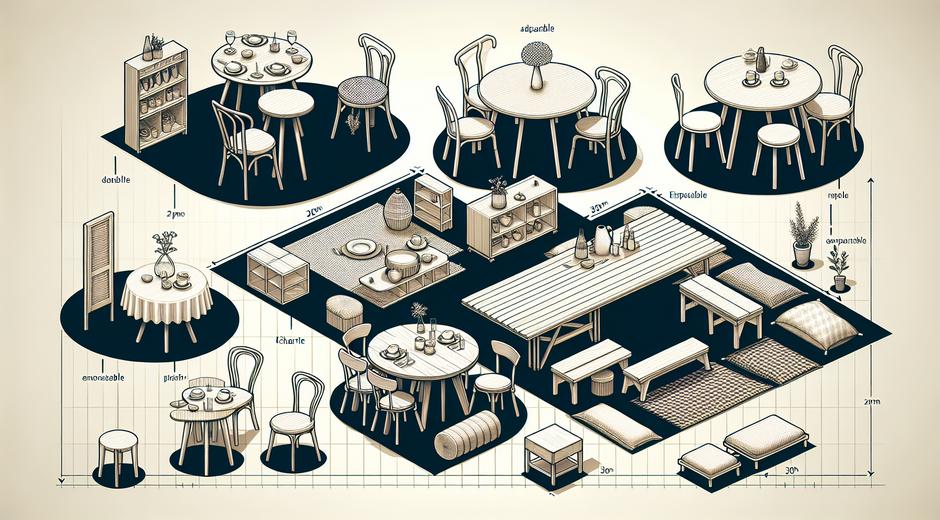
Furniture selection makes or breaks a flexible layout. A round table fits small spaces and encourages conversation. Extendable tables expand for guests then tuck away for daily life. Benches slide under the table when not needed and free up walkways. Stacking chairs fold and store in closets. Lightweight chairs can be used in other rooms as required. Consider seating that doubles as storage to keep essentials close at hand.
Invest in multi use furniture such as a console table that converts to a dining table or a storage cabinet that becomes a buffet when entertaining. These pieces keep clutter out of sight while supporting multiple activities. When arranging furniture leave a minimum clear path for circulation to make transitions effortless.
Layout types and how to choose
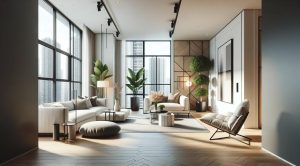
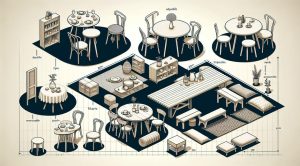
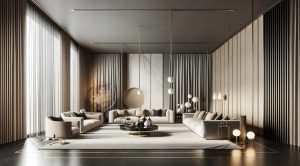
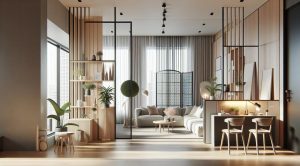
There are a few common layout types that lend themselves well to flexibility. An open plan layout connects kitchen living and dining which is ideal for social families and hosts. A corner dining layout uses an underused area near windows to create a cozy spot that can expand with additional seating. A linear dining layout along a hallway or gallery works well in narrow spaces and can be activated by moving seating out from the wall. Choose the type that fits your floor plan lighting and daily routines.
Zoning techniques without walls
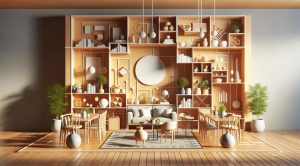
Zoning is the art of creating purpose without building walls. Rugs are one of the easiest ways to visually define a dining zone. A rug under the table creates a boundary and adds texture. Open shelving provides storage and a partial screen that separates functions while allowing light and sight lines. Lighting is another powerful zoner. A pendant or chandelier over the dining area anchors the space and signals its role even in an open plan.
Lighting and ambiance
Good lighting supports flexible use. Install a dimmer on the main fixture so you can adjust for afternoon work or evening dining. Place task lights near work areas when the table serves as a desk. Accent lamps and candles add warmth for entertaining. Natural light is an asset. Use sheer window treatments to maintain privacy while preserving daylight. Think about layering light to create a comfortable setting for any use case.
Material choices and finishes
Durable surfaces that are easy to clean make a dining area adaptable. Choose tabletops that resist stains scratches and heat. Chairs with washable fabric or removable covers are practical. Wood tones add warmth and are easy to match with other interiors. Consider finishes that conceal wear well for high traffic homes. Thoughtful material choices reduce maintenance and keep the space attractive for buyers and renters.
Small space strategies
In compact homes flexible dining layouts are essential. Use fold away tables that attach to walls or slide out from cabinets. Create a banquette with storage under the seat to maximize utility. Mirrors extend perceived space and reflect light. Keep furniture scale small and avoid over furnishing. When listing a compact property highlight the multiple uses of the dining area to help potential buyers imagine different setups.
Large space strategies
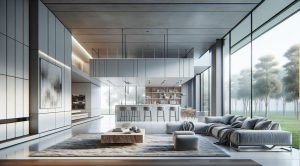
In a larger home the dining area can be a focal point while still flexible. Arrange seating for smaller daily use and have a plan for extension when hosting. Use furniture groupings to create intimate clusters within a broad space. Freestanding screens or tall bookcases can offer temporary separation for events or private gatherings. In open plan homes use area rugs and lighting to make multiple dining settings feel intentional.
Staging flexible dining layouts for listings
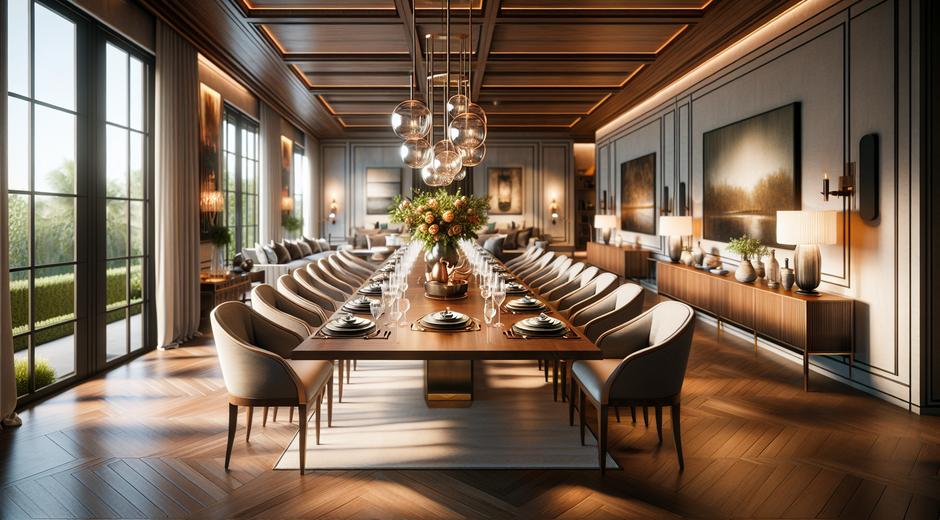
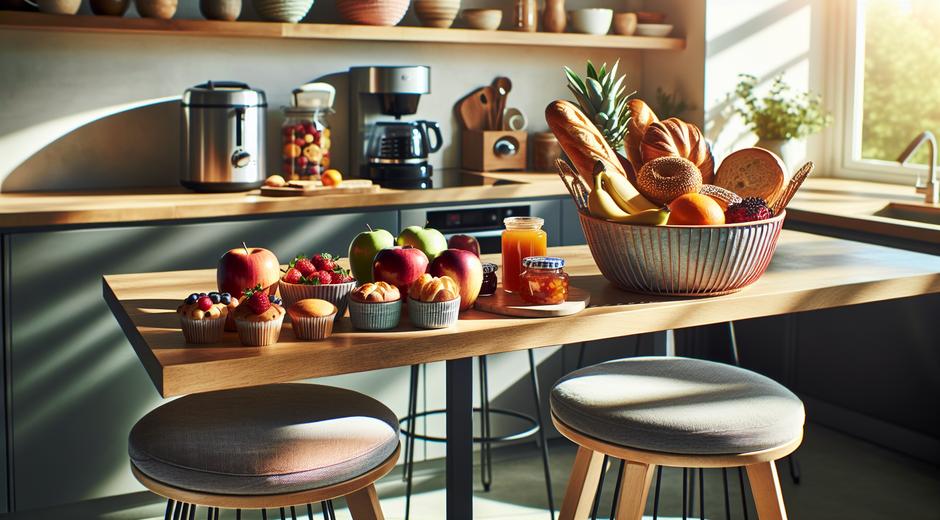
When preparing a property for market show the versatility of the dining area. Stage the space in at least two ways. One setup can be a formal dining arrangement to demonstrate capacity. Another can show a casual work or breakfast scenario to highlight day to day living. Remove personal clutter and use neutral tasteful decor so potential buyers can imagine their own use. Photographs should capture both flow and adaptability so online listings convey the best features.
For local listings that showcase adaptable areas and other appealing features visit metropropertyhomes.com to see examples and property details. The right photos and descriptive text help buyers visualize flexible use and can increase interest in your listing.
Cost effective upgrades that boost flexibility
You do not need a large budget to add flexibility. Add a pendant light to anchor a dining zone. Paint an accent wall to suggest a focal area. Install floating shelves for display and storage. Swap heavy chairs for lighter options that are easier to move. Replace a bulky table with an extendable model to show how the area adapts. These low cost changes are easy to implement and attractive to buyers and renters.
Learning resources and design education
If you want to deepen your knowledge on creating flexible living spaces there are courses and articles that explain layout theory furniture selection and styling. For design focused courses and skill building check trusted online resources such as StudySkillUP.com where practical lessons and case studies can help you plan and stage flexible dining areas more effectively. Learning basic design principles helps both homeowners and agents present spaces that perform better in the market.
Measuring success and buyer response
Track metrics such as time on market inquiries and feedback from showings to measure how your flexible dining layout performs. Small adjustments like swapping a table or changing lighting often lead to measurable improvements in buyer perception. When agents receive questions about space use be ready to provide layout suggestions and staging alternatives. This demonstrates preparedness and helps buyers see the full potential of the property.
Conclusion
Flexible dining layouts are a practical design strategy that meets modern lifestyle needs and increases market appeal. By focusing on flow modular furniture layered lighting and smart zoning you can create a dining area that adapts to family life hosting needs and work routines. Whether you are preparing a home for sale or optimizing daily life these principles help you get more value from the same square footage. Use thoughtful staging photography and clear listing descriptions to highlight adaptability and attract buyers who value multifunctional spaces.