

Flexible Living Zones: Designing Homes That Adapt to Every Life Stage
Flexible Living Zones are reshaping how people think about space in modern homes. Whether you are buying a property for a growing family or updating a rental to attract savvy tenants, creating rooms that can change use over time is a resilient strategy. This article explains what Flexible Living Zones are, why they matter for value and livability, and how to design them with style and practicality in mind.
What Are Flexible Living Zones
Flexible Living Zones are areas inside a home that can perform multiple roles without extensive renovation. A living room can become a home office in the morning and a media room in the evening. A dining area can double as a homework space or a craft station. The core idea is to plan for change so the property stays relevant to shifting needs. Real estate listings that highlight Flexible Living Zones appeal to a wide audience because buyers and renters value adaptability.
Why Flexible Living Zones Matter for Property Value
Homes with adaptable spaces often sell faster and for stronger prices because they meet long term needs. Families that anticipate new children or aging relatives can see immediate benefits. Young professionals who need a workspace appreciate rooms that can become dedicated focus zones. Investors and property managers who update units with flexible design elements report higher occupancy and cleaner turnover periods. If you are exploring options or looking for inspiration visit metropropertyhomes.com for a range of property ideas that use multipurpose space to boost appeal.
Principles of Designing Flexible Living Zones
Effective Flexible Living Zones rest on a few simple design principles. First plan for circulation so furniture can be rearranged without blocking movement. Second choose neutral finishes and modular furniture that blend across different uses. Third include storage that conceals clutter when a space changes role. Fourth integrate technology and lighting that has multiple settings to suit different activities. Each choice should make switching from one use to another quick and intuitive.
Practical Design Ideas
Below are practical ideas that help create Flexible Living Zones that feel intentional and polished.
Open plan layouts make it easier to define zones with rugs and furniture rather than walls. Use rugs to anchor a seating area and a dining area within a single large room. This creates clear zones while maintaining a sense of openness.
Invest in furniture that is easy to move and repurpose. A mobile island in the kitchen can serve as a prep zone, a serving station, or a homework table. Lightweight chairs stack or tuck under tables to free floor space. A sofa with storage under the cushions hides blankets and workspace supplies.
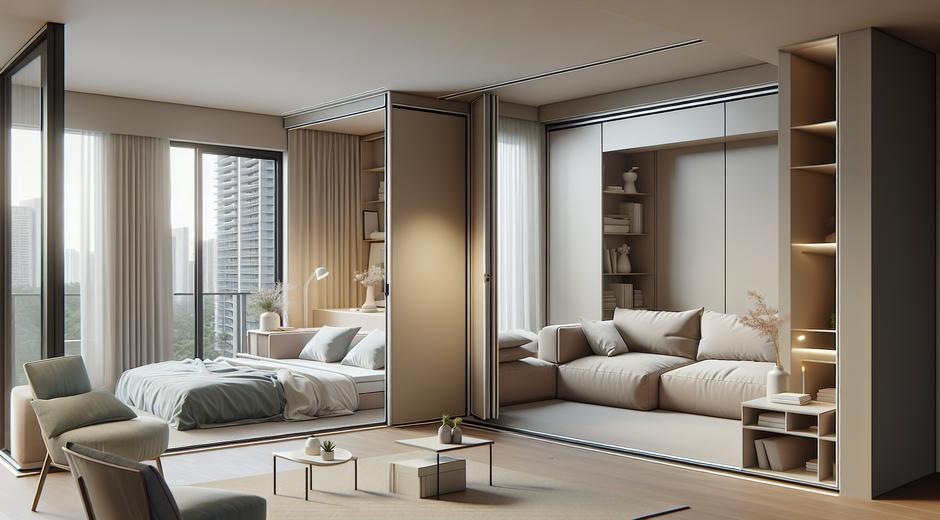
Sliding panels or curtain tracks deliver privacy when needed without permanent construction. These elements allow a bedroom to double as a quiet studio or a media room without losing its identity.
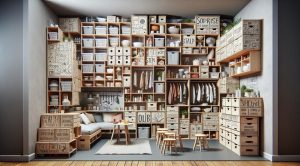
Built in storage that is purposefully designed for multiple activities reduces the visual clutter that makes a multipurpose room feel chaotic. Cabinets with adjustable shelves and modular inserts adapt to new needs easily.
Technology and Lighting for Multipurpose Rooms
Lighting plays a critical role in setting the mood for different uses. Layered lighting with dimmable overhead lights, task lamps, and accent lighting allows you to switch from bright work mode to relaxed leisure mode in seconds. Smart lighting that responds to voice or app control makes transitions seamless.
Connectivity is also key. Ensure there are enough power outlets and strong Wi Fi coverage so devices can be used anywhere in the home. Consider built in USB ports and charging stations in high use areas. Smart home hubs allow control of climate and sound so a living zone can be optimized for focus or for guests.
Sustainability and Longevity
Flexible Living Zones can support sustainability goals by reducing the need for future renovation and minimizing waste. Choosing durable materials that age well means a room can carry different functions over many years without losing appeal. Sustainable finishes and efficient systems such as low flow fixtures and high efficiency heating reduce operating costs and make properties more attractive in the market.
Staging and Marketing Flexible Living Zones
When showing a property highlight how spaces convert from one use to another. Use staging furniture to demonstrate a before and after scenario in photos and video tours. For listing descriptions use clear language that explains potential uses for each space and include lifestyle images that show day to day activities. Buyers and renters respond to scenarios they can imagine themselves in, so show rather than only tell.
Flexible Living Zones for Different Property Types
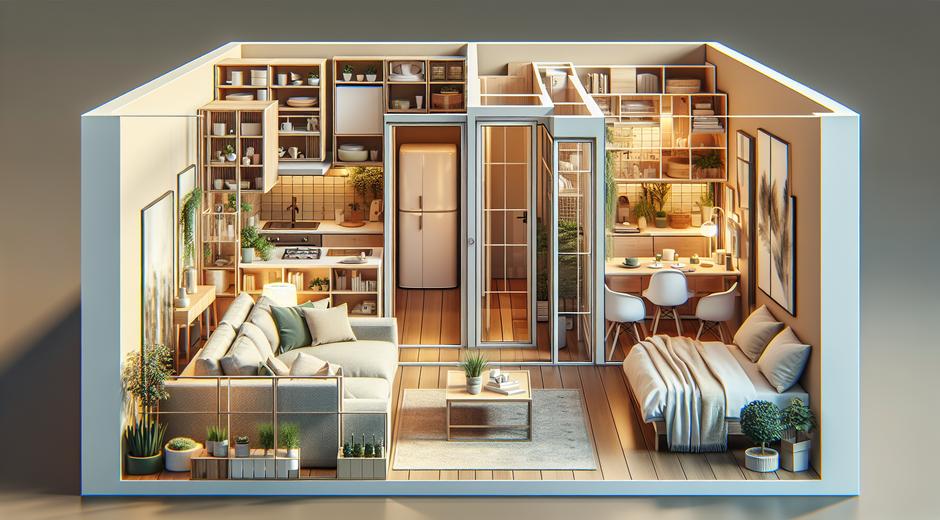
For apartments, focus on vertical storage and furniture that folds away. Murphy beds and fold out desks expand living space. For family homes create zones that sit between circulation pathways so they are always a part of daily life. For investment properties emphasize durability and neutral styling so the next occupant can personalize the space easily.
Cost Effective Ways to Add Flexibility
You do not need to spend a fortune to create Flexible Living Zones. Small changes yield large returns. A fresh coat of paint in a neutral palette makes a space feel cohesive. Adding plug in task lighting and a few modular shelving units creates immediate function. Consider adding a few smart home devices to increase appeal for tech oriented tenants or buyers. These low cost upgrades are easy to justify when they improve marketability.
Case Examples
Imagine a one bedroom apartment that converts into a studio office. By adding a fold away desk, a bookshelf with built in filing storage, and a daybed the space functions for work during the day and social life in the evening. Another example is a living room in a family home that morphs into a game zone for teenagers with adaptable seating and stowable media equipment. Both examples show how strategic choices create rooms that serve more than one need without losing character.
How to Prioritize Flexible Living Zones When Buying or Renovating
If you are buying a property evaluate existing layout flexibility. Look for rooms with natural light, easy access to outlets, and sensible circulation. When renovating prioritize moves that increase usable area such as opening small adjacent rooms or creating storage nooks. Consult with professionals who understand multifunction design so you get the most value from every square meter. For project resources and partner services explore suggestions at Chronostual.com which can help you source furniture and design guidance for adaptable spaces.
Final Thoughts
Flexible Living Zones are more than a trend they are a strategic investment in a property that will remain useful across many life stages. Thoughtful design lets a home adapt to the needs of the moment while preserving long term appeal. Whether you are selling, renting, or staying put choosing adaptable solutions pays dividends in comfort, utility, and market value. Start small and think broadly about how each room can serve more than one purpose and you will be rewarded with a home that fits life today and tomorrow.