

Functional Interior Design
Functional Interior Design is the practice of creating living spaces that balance beauty and utility so every square foot works for the people who use it. In a world where square footage can be at a premium and lifestyles change fast, prioritizing function means designing rooms that support daily routines while still reflecting personal taste. This article explains the core principles of Functional Interior Design and offers practical steps you can take to craft homes that feel calm efficient and inviting.
Why Functional Interior Design Matters
Functional Interior Design reduces friction in daily life. When a kitchen layout supports cooking tasks or a living room has clear zones for work rest and play the home becomes a tool for better living. Function leads to less clutter less stress and lower maintenance costs. For property owners and agents a well conceived functional interior can also boost market appeal and resale value. For inspiration and property ideas visit metropropertyhomes.com to see examples that marry form and function.
Core Principles of Functional Interior Design
- Purpose driven planning Start by defining how each room will be used today and how use may change over time.
- Efficient layout Arrange furniture and fixtures to minimize wasted movement and to make common tasks easier.
- Clear circulation Maintain unobstructed pathways so moving through the space feels natural and safe.
- Appropriate scale Choose furniture that fits the size of the room to avoid crowding or imbalance.
- Durability and maintenance Select materials and finishes that stand up to intended use and that are simple to clean.
- Smart storage Integrate storage that keeps daily items accessible while hiding clutter.
- Flexibility Use pieces that can change use as needs evolve from child care to work from home.
How to Start a Functional Interior Design Project
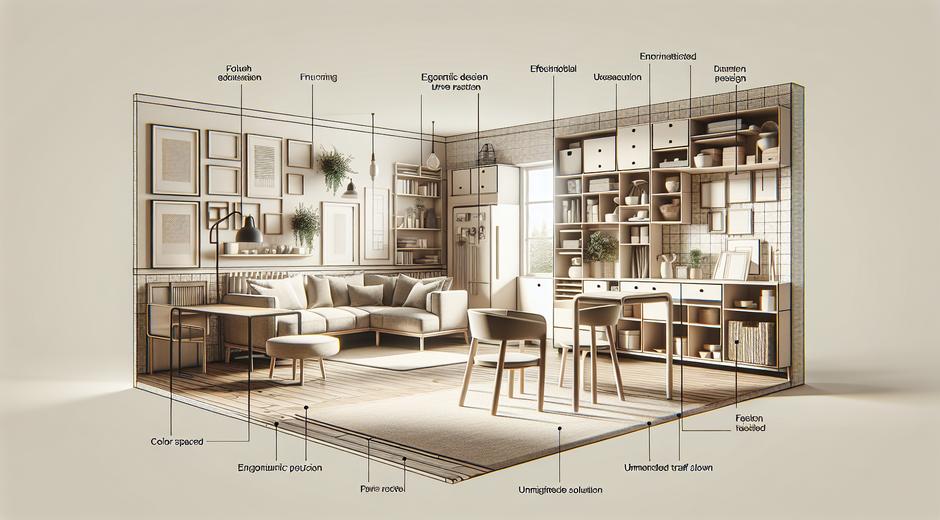
Start with a clear brief. List activities that occur in each room the items you must store and the people who will use the space. Include typical traffic patterns and any accessibility needs. Measure the room and note the location of doors windows radiators and built in features that affect placement.
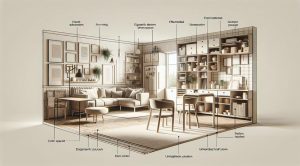
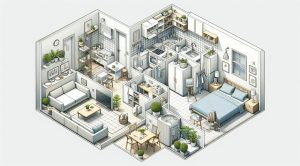
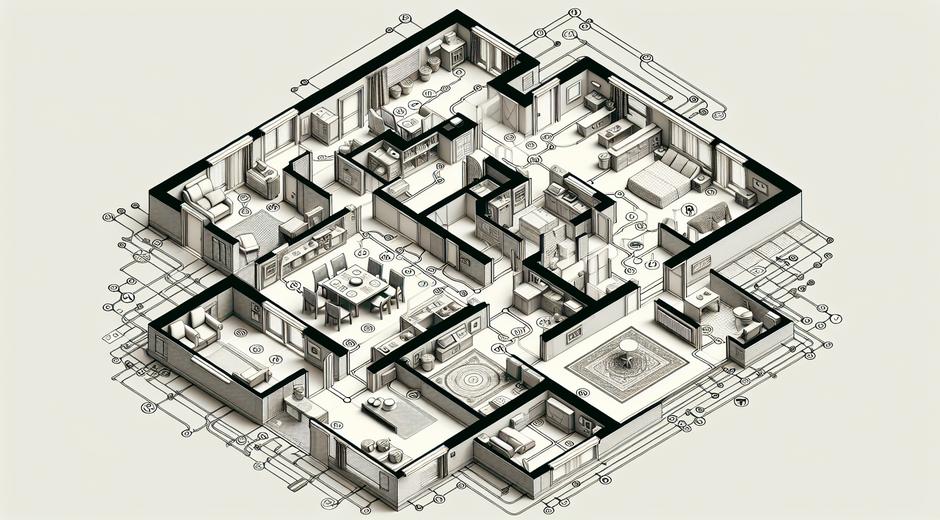
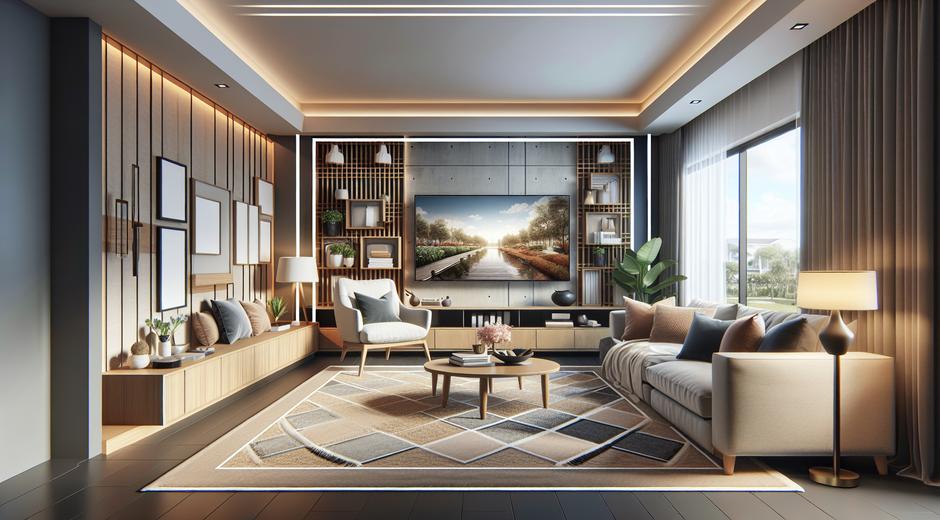
Next create a layout that groups related activities. For example in a living area group seating around a focal point such as a television or fireplace while leaving a clear path between the entry and the rest of the home. In a kitchen allocate work zones for preparation cooking cleaning and storage to reduce unnecessary steps.
Choose furniture that supports the purpose of each zone. A deep comfortable sofa suits a media zone while a small table and chairs support a quick meal area. Where space is limited choose multifunctional items such as ottomans that provide seating and hidden storage or tables that expand when guests arrive.
Material and Furnishing Choices That Work
Select surfaces that match daily use. High traffic areas benefit from flooring that resists wear and that cleans easily. Consider porcelain tiles or engineered wood for durability while soft rugs can define seating zones and bring warmth.
Textiles should be stain resistant and simple to maintain in homes with children or pets. Choose upholstery with tight weave and consider removable covers for easy laundering. For finishes pick colors and textures that hide signs of wear while staying true to the overall design language.
Lighting plays a central role in function. Layer ambient task and accent lighting so each activity has the right illumination. In a home office prioritize a glare free desk lamp and in a kitchen use under cabinet lighting for prep surfaces. Dimmers increase flexibility allowing a room to shift from work to relaxation with a simple adjustment.
Smart Solutions and Technology
Integrating technology can amplify the functional value of a space. Smart lighting systems make it easy to set scenes for different activities and programmable thermostats improve comfort and energy performance. Home hubs and voice assistants can control multiple devices reducing friction for routine tasks.
If your plans include a garage workshop or vehicle storage think about how that space will serve both the car and the homeowner. For guidance on automotive related layout and care resources consult AutoShiftWise.com. Linking vehicle care and storage with interior design planning prevents surprises and keeps the home efficient.
Storage Strategies That Reduce Clutter
Storage must be both accessible and logical. Designate zones for daily items near points of use such as placing a shoe rack by the entry and hooks for bags within arm reach. Closed storage hides visual clutter while open shelving keeps frequently used items at hand.
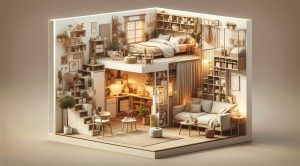
Built in storage often yields higher function per square foot than freestanding furniture. Consider built in wardrobes with adjustable shelving or window seats with storage beneath. In new builds or renovations add storage to vertical spaces to free up floor area.
Design for Change
Homes need to adapt as families grow and as work habits shift. Choose core pieces that can serve multiple roles. A table that can act as a desk during the day and a dining table in the evening adds value. Select neutral finishes for large items and use accessories to add color and personality. This approach makes it easier to refresh a room with low cost updates.
Plan for accessibility now rather than later. Wider circulation zones lever handle doors and lever style faucets make the home more inclusive and can appeal to a broader market.
Measuring Success
Evaluate functional interior design using qualitative and quantitative measures. Observe how people use a space and ask where daily tasks feel smooth or where friction appears. Track time spent hunting for items or rearranging furniture and aim to reduce those metrics over time.
From a financial perspective consider the return on investment. Functional updates that improve storage lighting or layout can increase market value and shorten time on market. For landlords functional interiors often reduce maintenance calls and improve tenant retention.
Common Mistakes to Avoid
- Aesthetic only focus where looks trump usability and the space fails to support real life
- Ignoring scale which leads to oversized or undersized furniture for the room
- Poor lighting design that relies on a single source and leaves task areas in shadow
- Underestimating storage which results in clutter that undermines even the best layouts
Bringing It Together
Functional Interior Design is about intentional choices that support daily life. Start with a clear brief design around activities choose materials that match use integrate storage and layer lighting. Test layouts in real life and be willing to tweak as habits emerge.
A home that balances style and function not only improves everyday living but also stands out to buyers and renters. Whether you are renovating a single room or planning a whole house approach the process with the end user in mind and prioritize solutions that reduce friction and increase pleasure.
Functional design is a skill that improves with practice. Observe how people move through space test ideas on a small scale and use flexible solutions that can evolve. The result is a home that looks beautiful and works beautifully every day.