

Home Lighting: Transform Your Space with Smart Choices
Lighting is one of the most powerful yet often overlooked elements in home design. The right light can enhance architecture, improve mood, highlight favorite objects and increase the perceived value of a property. In this guide we will explore practical strategies to plan and implement home lighting that is attractive, functional and energy mindful. Whether you are preparing a home for sale, updating a living room or redesigning an entire property the principles below will help you make confident choices.
Why Home Lighting Matters
Home lighting affects daily life in ways that go beyond seeing. It sets mood, creates atmosphere and supports tasks from reading to cooking. Good lighting can make small spaces feel larger and dark corners feel inviting. For sellers and property managers lighting can influence buyer perception and speed up decisions. Well considered lighting shows attention to detail and can make rooms appear cleaner and more modern.
Core Concepts to Know
When planning light for a space keep three core concepts in mind.
Ambient light is the base level of illumination that allows people to move safely through a room. It can come from ceiling fixtures, recessed lights or large windows.
Task light supports specific activities such as reading, preparing food or applying makeup. Desk lamps under cabinet lighting and pendant fixtures over counters are common options.
Accent light draws attention to art architectural features or decor elements. Track lights wall mounted picture lights and small spotlights work well for accenting.
Another important concept is color temperature. Warm tones create a cozy feeling while cool tones feel crisp and modern. Color rendering index or CRI indicates how true colors appear under the light source. Aim for a CRI of 80 or higher for accurate color presentation.
Finally think about lumens rather than watts. Lumens measure visible light output while watts measure energy used. Choosing efficient light sources can deliver the brightness you want without excessive energy use.
Layering Light for Flexible Spaces
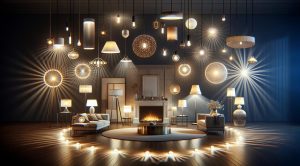
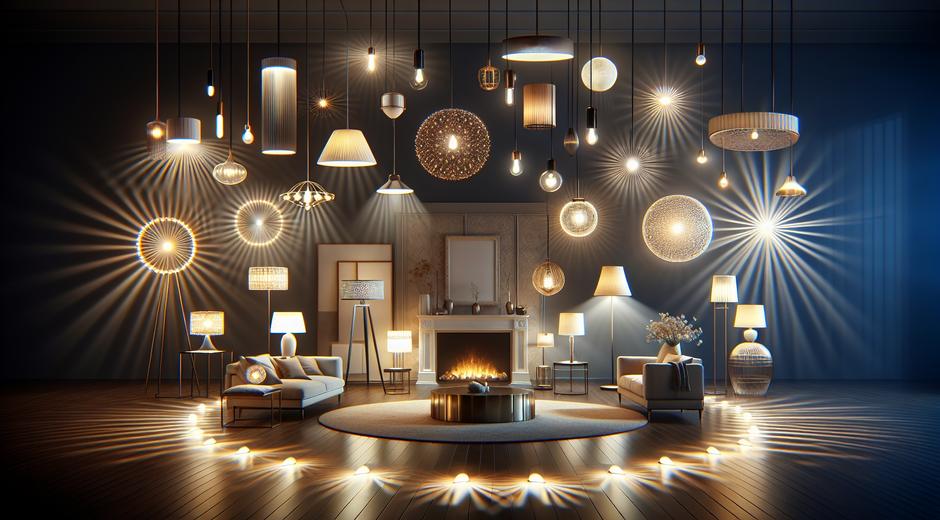
A layered approach combines ambient task and accent lighting to create depth and flexibility. Start by ensuring adequate ambient light then add task fixtures where people will perform activities. Finish with accent lights to bring warmth and interest.
For example a living room might include a ceiling fixture for ambient light table lamps for reading and wall washers or picture lights to highlight artwork. In kitchens combine recessed ambient lighting with pendant task lights over islands and under cabinet lights for counter work. Layering allows you to adjust light levels for different times of day and different uses.
Smart Lighting and Energy Efficiency
Smart lighting systems offer convenience and energy savings. With programmable controls and remote access you can set scenes for movie time dinner or cleaning. Dimmers extend bulb life and let you fine tune mood and brightness. Motion sensors are ideal for hallways closets and garages where lights need only be on briefly.
LED bulbs have changed the game for energy efficient lighting. They use a fraction of the energy of legacy bulbs and last many times longer. Choose bulbs with the right lumen output color temperature and CRI to suit your space. Investing in efficient fixtures and smart controls reduces ongoing costs and contributes to a greener home.
Choosing Fixtures and Bulbs
Select fixtures that match your style and scale with the room. A small pendant in a large dining space will not provide enough ambient light while an oversized fixture in a compact bathroom can overwhelm the space. Consider mounting height and beam spread to ensure even coverage.
For bulbs pick the lumen output that matches the intended use. Living areas benefit from a warm color temperature of 2700 to 3000 Kelvin. Work areas like kitchens and home offices often do better with cooler light of 3500 to 4000 Kelvin. High CRI bulbs are recommended for art and color sensitive tasks.
When selecting fixtures think about maintenance and accessibility. Fixtures that are difficult to reach make bulb changes more tedious. Choose models that are compatible with dimmers and smart controls if you plan to add those features later.
Lighting for Curb Appeal and Exterior Spaces
Exterior lighting enhances safety and first impressions. Pathway lights highlight walkways and reduce trip risk. Uplights can showcase trees and architectural elements. Consider layered exterior lighting too ambient for overall illumination task for entries and accent for focal points.
Motion activated security lighting deters unwelcome activity while low voltage fixtures offer energy efficient solutions for smaller landscape features. Solar powered fixtures are a low maintenance option for paths and garden highlights.
Practical Tips for Implementation
Start with a lighting plan. Sketch each room and mark where you need ambient task and accent light. Consider existing switches and wiring and whether you will need additional circuits.
Test different placements and heights before final installation. Temporarily position lamps or use portable fixtures to evaluate how light interacts with furniture and finishes. Remember that reflective surfaces like gloss paint and mirrors will amplify light while matte finishes absorb it.
Use dimmers to add flexibility and choose bulbs that are dimmable if you plan to use that control. Label switches clearly for guests or future occupants to avoid confusion.
If you are unsure about complex wiring or load calculations consult a licensed electrician. Proper installation ensures safety and maximizes performance of your system.
Styling Tips for Different Rooms
Bedrooms benefit from warm ambient light combined with bedside task lamps that allow for reading without full room brightness. Consider layered window treatments to control natural light during the day.
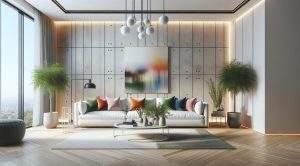
Living rooms can support varied activities so incorporate versatile lighting. A combination of ceiling fixtures floor lamps and accent lights makes it easy to change the mood and focus.
Kitchens require bright task lighting for safe food preparation. Use layered fixtures that minimize shadows on counters and include under cabinet illumination for detailed work.
Bathrooms need clear bright light for grooming and makeup. Place lights around mirrors to avoid harsh shadows on the face.
Hallways and staircases should be well lit for safety. Use evenly spaced ambient fixtures and consider motion activated sensors for convenience.
Improving Property Value with Thoughtful Lighting
Strategic lighting updates can be a cost effective way to increase perceived value. Modern efficient fixtures and smart controls appeal to buyers who value comfort convenience and low operating costs. Highlight key architectural features and staging elements with accent light to create memorable room visuals.
If you are preparing a property for sale focus on clean bright ambient lighting neutral color temperatures and well lit entry points. Small upgrades like replacing dated fixtures with modern options and adding dimmers can have a high return on investment.
To explore ideas and examples of properties with great lighting visit metropropertyhomes.com where you can find inspiration and practical resources for all types of spaces.
Final Checklist Before You Start
Before purchasing fixtures and bulbs run through a final checklist. Confirm the intended function for each light source choose the right color temperature and ensure compatibility with controls and dimmers. Measure room dimensions and ceiling heights to guide fixture scale and placement. If unsure invest in a consultation with a lighting designer or electrician to avoid costly mistakes.
Lighting is both a science and an art. Thoughtful choices create comfort improve functionality and add style. With planning and the right components you can transform interiors and exteriors into spaces that look inviting perform well and conserve energy. For travel oriented properties or spaces with seasonal rental potential consider lighting solutions that support varied uses and enhance guest experience. For curated travel content and destination ideas that pair well with property presentation visit TripBeyondTravel.com for inspiration on staging experiences within your spaces.
By treating lighting as a core element of property design you gain control over atmosphere usability and energy costs. Use the principles in this guide to plan a lighting system that elevates every room and supports your lifestyle or property goals.