

Indoor outdoor connection: Designing homes that flow with nature
The concept of Indoor outdoor connection is reshaping how people choose and value property. Home buyers now seek living spaces that blend indoor comfort with outdoor freedom. This article explains why this connection matters for lifestyle and market value. It also offers practical design strategies and real estate tips that help sellers and buyers optimize properties for modern living. For more property listings and advice visit metropropertyhomes.com to explore options that highlight this design focus.
Why Indoor outdoor connection matters for modern living
People crave access to fresh air and natural light. They also want flexible spaces for relaxation and work. Indoor outdoor connection answers this desire by creating a seamless flow between rooms and gardens. This flow boosts well being by increasing daylight, improving air quality and providing views that reduce stress. From a market perspective, properties with strong connection to outdoor areas often sell faster and at higher prices. Buyers value patios, terraces and gardens that feel like an extension of living rooms and kitchens.
Core principles that create a strong Indoor outdoor connection
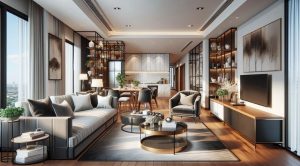
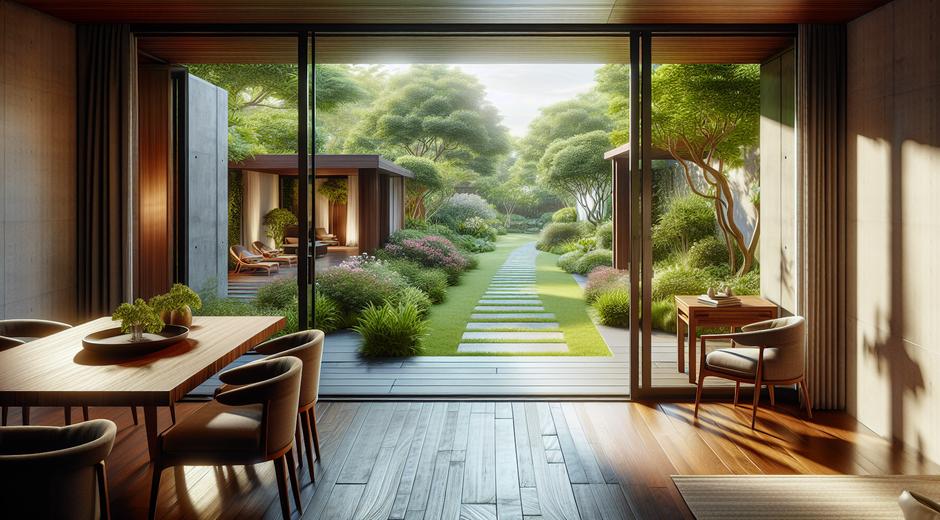
Create visual continuity by aligning floor materials, color palettes and sight lines between interior and exterior spaces. Use large glass doors and windows to increase transparency without losing privacy. Choose furniture and accessories that work in both contexts so the transition feels natural. Pay attention to levels so there is no intimidating step between indoors and outdoors. Smooth thresholds help people move easily between areas and encourage frequent use of outdoor space. Lighting is also important. Use layered lighting strategies that complement natural light during the day and create ambiance at night.
Architectural features that enhance the connection
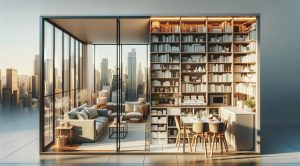
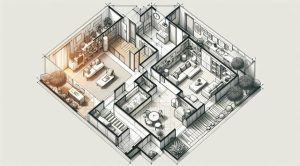
Open floor plans support connection by reducing barriers between rooms and outdoor spaces. Sliding doors and fold away doors are popular because they can open an entire wall to the outdoors. Covered outdoor rooms provide shelter while maintaining a sense of being outside. Integrated decks and terraces at the same height as interior floors create a continuous plane where furniture and movement feel seamless. Strategic placement of windows and clerestory glazing can bring views of trees and sky into heart spaces like kitchens and living rooms.
Landscape design strategies to support Indoor outdoor connection
Design the landscape with outdoor rooms in mind. Define areas for dining, lounging and play so they mirror the purpose of interior spaces. Use paving and planting to guide movement and frame views. Select plant species that provide seasonal interest and echo interior materials in texture and color. Privacy can be achieved with layered planting and screens rather than solid fences so the sense of openness is preserved. Lighting along paths and on focal plants extends use into evening hours and enhances safety.
Furniture and styling choices that bridge inside and outside
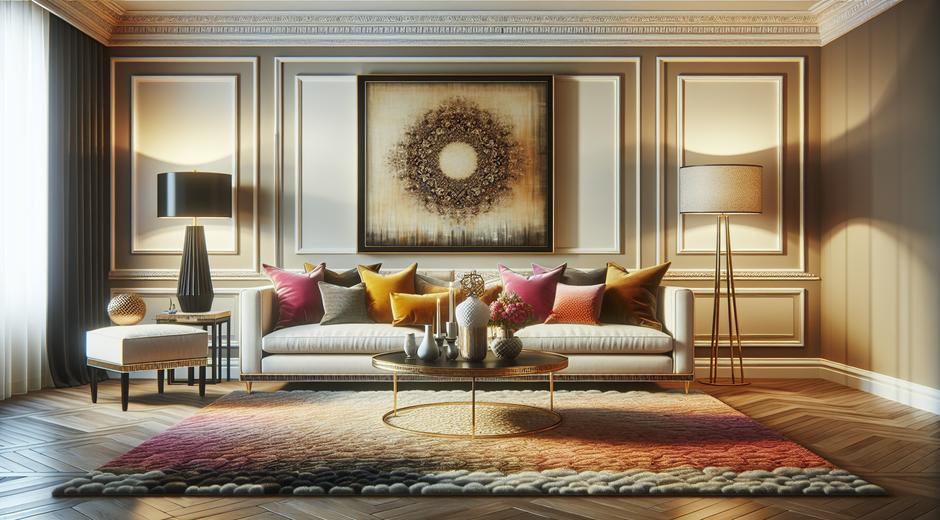
Choose durable materials that can handle exposure while retaining comfort and style. Upholstery treated for outdoor use can sit comfortably in both settings. Rugs, cushions and soft furnishings in weather resistant fabrics bring indoor comfort outdoors. Keep a consistent color scheme to reinforce continuity. Accessories such as planters, artwork that tolerates moisture and mixed material tables unify the aesthetic. Storage solutions near thresholds help keep the transition tidy and encourage outdoor living by making gear accessible.
Sustainability benefits of a thoughtful Indoor outdoor connection
When designed well, the connection supports passive cooling and natural ventilation. Cross ventilation reduces energy use for cooling. Maximizing natural light cuts down on artificial lighting during the day. Native landscaping reduces water demand and supports biodiversity. Rain gardens and permeable paving help manage storm water on site. These sustainable choices appeal to environmentally conscious buyers and can reduce operational costs over time.
Planning for different climates and regions
Strategies vary by climate. In warm regions focus on shading and airflow, with deep roof overhangs and operable screens to block harsh sun while allowing breezes. In cooler climates maximize solar gain in winter by orienting glass to the sun and using materials that store heat. In temperate areas embrace flexible elements such as removable screens and multi season planting to extend usability year round. Site orientation, wind patterns and microclimate should all inform design decisions to ensure outdoor areas are comfortable throughout the year.
How Indoor outdoor connection adds value to property
From a real estate perspective the connection between interior and exterior can be a major selling point. Buyers are increasingly seeking multifunctional spaces that support remote work, fitness and recreation. A cohesive flow to outdoor areas creates usable square footage and improves perceived livability. When marketing a home, highlight how rooms extend into gardens and terraces and showcase how these spaces can be used for entertaining, relaxation and family time. Professional photography at golden hour often captures the most compelling images of this relationship.
Renovation tips to improve Indoor outdoor connection on a budget
Small changes can make a big difference. Replace small windows with larger units where structure allows. Swap a solid wall for glass doors to open a room to the garden. Level thresholds and add durable outdoor flooring that complements interior surfaces. Update landscaping to create defined outdoor rooms and reduce maintenance. Add outdoor lighting and easy storage for cushions and garden tools. Even color and soft furnishings aligned with the interior palette will strengthen visual continuity and make outdoor areas feel intentional.
Selling points to highlight when listing a property
When creating a listing, describe how indoor spaces connect to exterior areas and provide examples of use. Mention covered outdoor rooms, integrated kitchen access and level transitions. Use lifestyle phrases like morning coffee on the terrace, weekend barbecue with friends and garden as a private retreat. Buyers respond to tangible scenarios that help them imagine living in the space. For a wider audience interested in home trends and design ideas consider linking to lifestyle resources that explore broader themes like wellness and urban planning at Politicxy.com.
Final thoughts on creating an inspiring Indoor outdoor connection
Indoor outdoor connection is more than a trend. It reflects a lasting shift in how people live and what they value in a home. Thoughtful design enhances comfort, supports health and increases market appeal. Whether you are buying, selling or renovating, prioritize continuity of material, careful placement of openings and a landscape that feels like an extra room. These choices will create homes that are adaptable, inviting and aligned with modern lifestyles.
If you are looking for properties or inspiration that integrate indoor and outdoor living look for listings that emphasize flow, natural light and functional outdoor rooms. Strong Indoor outdoor connection transforms space into a lifestyle asset and creates a lasting impression for buyers and residents alike.