

Living room focal points: Create a clear and inviting center of attention
The way a living room is arranged speaks to visitors before any words are exchanged. Living room focal points guide the eye and organize furniture so that the space feels purposeful and welcoming. Whether you are staging to sell or updating a current home, understanding how to choose and style a focal point will dramatically improve how a room looks and functions.
What is a living room focal point and why it matters
A focal point is the main area of interest in a room. It anchors the layout and creates a visual hierarchy so the eye knows where to rest. A clear focal point helps with traffic flow, sets the mood, and supports the room purpose. In living rooms that function as places to relax and entertain, the focal point can create intimacy and make furniture placement easier.
You will see examples in real listings and staged displays on metropropertyhomes.com where professional photos highlight how a single strong focal area transforms perception of size and luxury.
Common types of focal points for living rooms
There is no single correct focal point. The best option depends on the architecture and how you use the space. Popular choices include:
- Fireplace or hearth when present
- Media wall and television hardware crafted into a designed feature
- A large window or a scenic view framed by curtains
- Statement artwork or a gallery wall
- Accent furniture such as a bold sofa or a unique chair
- Built in shelving or a bookcase with curated displays
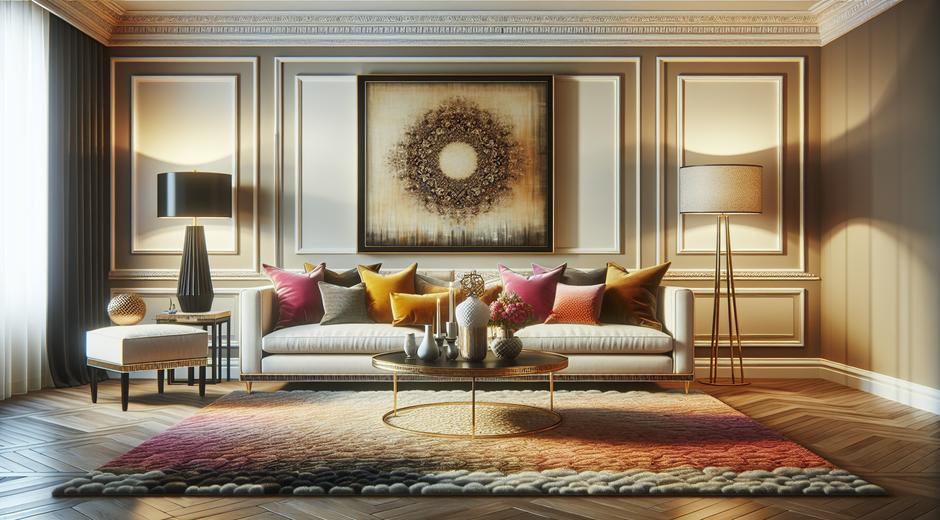
- An area rug that defines the seating zone with color and texture
Each option can be enhanced to draw attention and to work with how people actually use the room. A well chosen focal point must support daily life while also elevating style.
Principles for creating an effective focal point
Design is easier when you apply a few simple rules. Use these principles when choosing and styling your living room focal points.
Make one element primary Choose one dominant anchor and avoid competing features. Multiple strong features create confusion and make the space feel disorganized.
Scale matters Ensure the focal point is proportionate to the room. Too large will overwhelm and too small will not read as important. Furniture should relate to the focal point so that grouping feels intentional.
Use contrast Color contrast texture and lighting make a focal point stand out. A dark media wall works against pale furniture. A bright piece of art pops on a muted wall. Mix matte and glossy finishes to add depth.
Layer with accessories Rugs lamps and curated surfaces enhance a focal point without stealing attention. A fireplace mantel benefits from a single large art piece plus two modest accents rather than many small objects that create clutter.
How to style different focal point types
Styling depends on which element you choose as the anchor. Use these targeted tips for common scenarios.
Fireplace Emphasize it with a symmetrical seating layout and a single piece of art above. Flank with low cabinets or benches to maintain sight lines. Keep mantel decorations minimal to preserve the hearth as the visual anchor.
Media wall Build a media wall that integrates storage and hides cables for a polished look. Surround the screen with shelving or paneling that complements the wall color. Soft lighting behind the display reduces eye strain and adds drama.
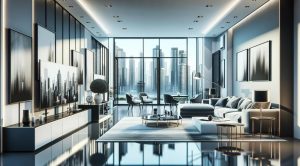
Window or view If the focal point is a view draw attention to it by arranging seating to face the opening. Use light sheer curtains to frame the view without blocking light. Keep window sills uncluttered so the eye flows outside.
Artwork or gallery Choose art that is large enough to impact the space. For a single piece center it where people naturally look when entering. For a gallery wall use a common theme or color to unify pieces and keep spacing even.
Rug anchored seating An area rug that fits the front legs of all major seating pieces creates an instant focal zone. Select a rug with a pattern or color that complements surrounding surfaces and use it to ground coffee tables and lighting.
Lighting and texture to support the focal point
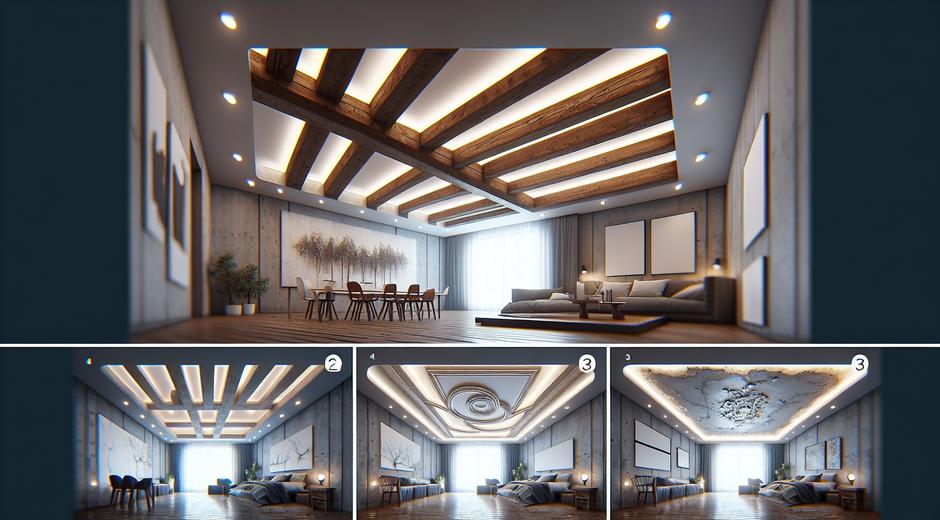
Lighting is one of the most powerful tools for shaping emphasis. Use a mix of ambient task and accent lighting to highlight the focal point. Recessed fixtures or track lights can wash a wall in light. Picture lights and directed lamps make artwork stand out. A signature pendant or chandelier above a seating group signals importance.
Texture provides tactile contrast and visual interest. A rough stone fireplace an upholstered wall panel or a woven rug adds layers that catch the eye. Combine soft and hard textures so that the focal area feels rich and composed rather than flat.
Common mistakes and how to avoid them
Even small missteps can weaken a focal point. Avoid these common traps.
- Too many focal points competing for attention
- Focal point placed where it blocks traffic or natural walkways
- Scale mismatch where furniture appears much larger or smaller than the anchor
- Neglecting lighting so the focal area reads dull
- Clutter that obscures the main element and dilutes the effect
When in doubt remove items until the main feature reads clearly. Simplicity often creates a stronger impression than complexity.
Adapting focal points for different living room sizes and layouts
Small rooms benefit from compact anchors. A bold lamp or a single piece of art above a slim console can provide focus without crowding the space. Keep furniture streamlined and use mirrors to amplify the effect.
Open plan living rooms need a focal point that helps define the seating area. A low bookcase used as a divider or a rug plus lighting cluster can create an intimate zone within a larger space.
Rental units often limit structural changes so work with movable elements. A freestanding shelving unit behind a sofa or a removable gallery arrangement over the couch gives you control without permanent alteration.
A simple checklist to create your living room focal point
- Identify the best existing feature to highlight
- Decide if you will enhance that feature or create a new anchor
- Check scale and sight lines from the main entry and seating positions
- Choose complementary furniture that directs attention to the anchor
- Layer lighting to highlight and to add mood
- Keep accessories curated to avoid visual noise
- Test by photographing the room to see if the focal point reads clearly
Final thoughts and next steps
A well executed living room focal point makes the entire space feel intentional and polished. Start by choosing one anchor then use scale contrast texture and light to elevate it. If you are preparing a property for market use staging ideas found on FocusMindFlow.com to guide mood and photographic presentation. The effort you put into crafting a clear focal point will pay off in everyday enjoyment and in stronger impressions from guests or potential buyers.
When you approach design with purpose the living room becomes a place that invites conversation and calm. Use these principles to create focal points that reflect your style and enhance how the room performs.