

Living room zoning
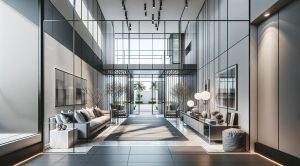
Living room zoning is the art of dividing one large area into functional parts while keeping a unified aesthetic and flow. Whether your living room is a single open area or an elongated hall that must serve several functions, zoning helps you create seating areas, media corners, work desks and play spaces without building walls. This article explains proven strategies to plan effective living room zoning that boosts comfort and adds value to your property.
Why living room zoning matters
Smart living room zoning transforms how you use your home. It allows multiple activities to coexist, improves circulation and creates a sense of order. For buyers and renters a well zoned living room signals practical design and thoughtful use of space. For families zoning can reduce clutter, increase privacy for focused tasks, and create dedicated spaces for rest and socializing.
Start with a clear plan
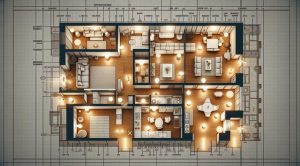
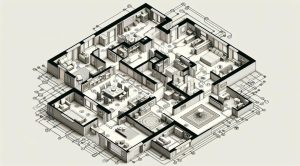
Begin by listing all functions the space must support. Typical zones include a main seating area for conversation, a media area for watching shows, a dining corner, a work spot for a laptop and a play area for children. Note how people move through the room and which activities will be used most often. A clear plan helps you place furniture and lighting so that each zone feels intentional and easy to use.
Use furniture to define zones
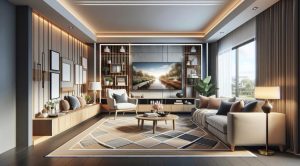
Furniture is the most flexible tool for zoning. Arrange sofas, chairs and tables to create visual boundaries. A sofa with its back to a dining area forms a clear division that feels natural. Open shelving can act as a partial divider while providing storage and display. Choose pieces with scale that match your room so each zone feels balanced. For a compact space use a narrow console table behind a sofa or a low profile media unit to anchor the viewing area without blocking sight lines.
Rugs and flooring to anchor each zone
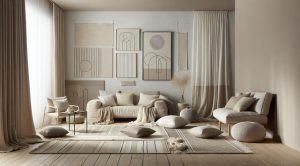
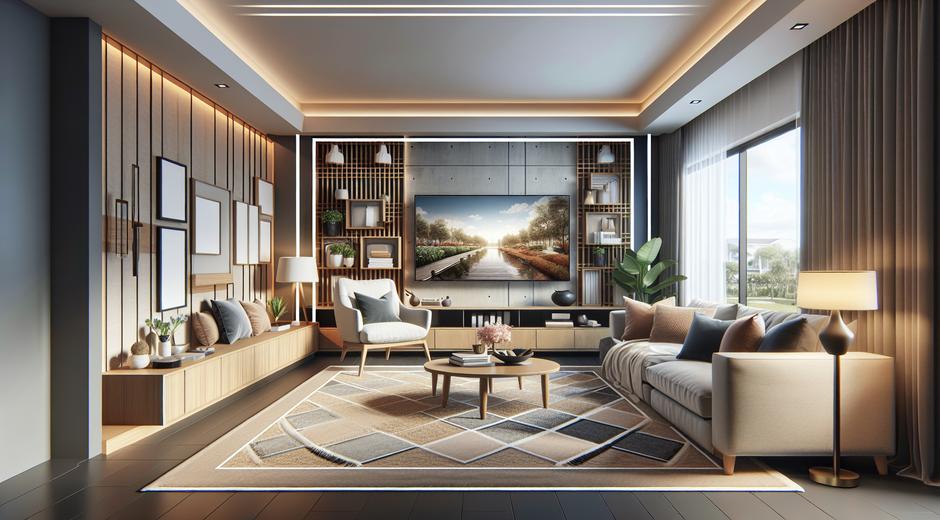
Area rugs are one of the easiest ways to anchor a zone. Pick rug sizes that fit each seating arrangement so the rug contains the furniture within that zone. If you prefer a continuous floor material, use different textures and tones to visually separate zones. For example a soft rug under a seating arrangement and a durable short pile rug beneath a dining table signal different functions while keeping the overall palette cohesive.
Lighting that defines and enhances
Layered lighting helps differentiate zones and improves usability. Use ambient ceiling lighting to create even illumination then add task lights such as floor lamps and table lamps for reading and work. Pendant lights or a chandelier above a dining spot will clearly mark that area. Dimmable fixtures provide flexibility so you can set a mood for relaxation or bright light for tasks. Smart bulbs allow you to change scenes with a single tap when the same room must serve many functions throughout the day.
Color and texture to create visual separation
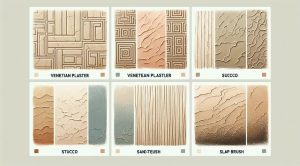
Paint and materials are powerful yet subtle zoning tools. An accent wall behind a seating area or a change in paint tone to highlight a media wall gives that zone identity. Use complementary textiles and throw pillows to connect zones while also giving each area its own tactile language. Textured wall panels or a gallery wall can turn a workspace into a focal point that feels distinct from the rest of the room.
Open shelving and screens as flexible dividers
If you want separation with air flow and light retention, choose open shelving or a decorative screen. Open shelves provide storage and display while keeping sight lines open so the room still feels spacious. A foldable screen can be moved when you need privacy and stored when you want openness. These options are ideal for renters or those who enjoy reconfiguring their space often.
Storage solutions that serve both form and function
Smart storage keeps each zone tidy and attractive. Use built in shelving to create a cohesive wall that houses media equipment in one area and books or office supplies in another. Storage ottomans and benches double as seating and provide hidden space for toys or blankets. Labeling baskets and using consistent storage containers helps maintain order so each zone remains useful and clutter free.
Multifunctional furniture to maximize efficiency
Choose furniture that supports multiple needs. A sleeper sofa gives you a guest bed without sacrificing seating. Nesting tables offer flexible surfaces that can be moved to different zones as needed. A desk that folds into a cabinet creates a dedicated work zone that disappears when not in use. Multifunctional pieces let a single room serve many roles without looking chaotic.
Acoustic considerations for comfort
Sound control matters when the living room houses multiple activities. Use rugs, upholstered furniture and curtains to absorb sound and reduce echo. Bookshelves and wall art can also break up sound waves. If a media zone and a work zone are close together consider portable acoustic panels or a tall bookcase to reduce noise transfer and create a calmer work environment.
Ideas for small living rooms
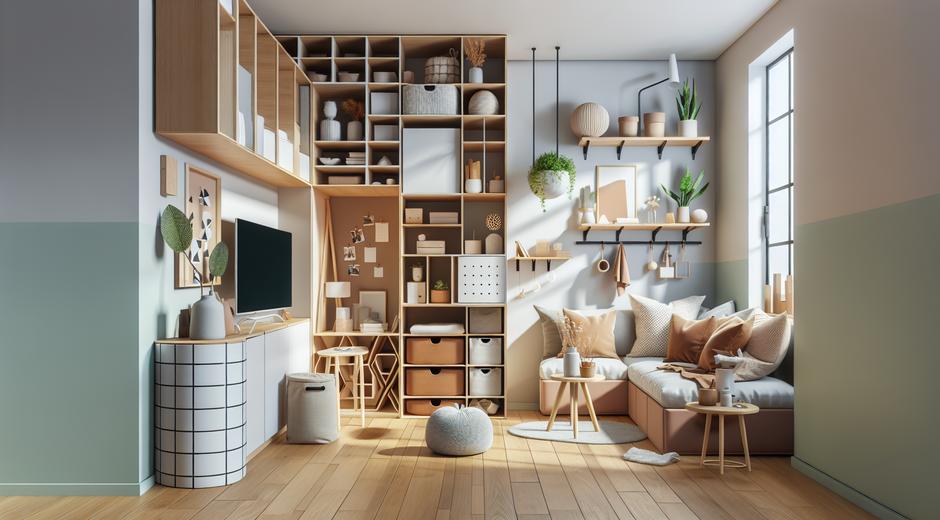
In compact spaces prioritize the functions you need most and design around them. Use a single rug to unify the seating area while adding a small desk that tucks beside a window. Place furniture at an angle to create circulation paths that feel wider. Vertical storage keeps floors clear and creates visual zones without taking up precious square footage. Try a compact sectional that wraps around a corner to define a cozy conversation area without crowding the rest of the room.
Ideas for large living rooms
In a large space you can create distinct rooms within a room. Use larger rugs to anchor multiple seating groups. Consider a central coffee table area for conversation, a separate media wall, and a reading nook with a lounge chair and lamp. A single palette across zones will keep the room cohesive while varying textures and accent colors will give each area its own identity. Large spaces allow for dramatic lighting and furniture arrangements that feel intentional and luxurious.
Practical staging tips for resale value
When preparing a property for sale focus on clear, functional zoning that appeals to many lifestyle types. Avoid overcrowding. Highlight each zone with well chosen furniture and strong lighting. Neutral palettes and tasteful accents help buyers imagine their own use. If you need inspiration for staging and property presentation visit metropropertyhomes.com for ideas and resources that showcase how effective zoning increases appeal and market value.
Eco friendly materials and sustainable choices
Choosing sustainable materials for furniture and finishes supports a healthier home and can be a selling point. Opt for low VOC paints, responsibly sourced wood and fabrics made from recycled fibers. For suppliers and material options that focus on sustainability explore resources like Ecoglobalo.com which lists eco friendly products that work well in modern living spaces. Small choices like natural fiber rugs and reclaimed wood accents make a positive impact without sacrificing style.
Final checklist for successful living room zoning
Follow this quick checklist to get started
- List the primary functions you need the room to serve
- Plan circulation so movement feels natural and unobstructed
- Use furniture to create clear but flexible boundaries
- Anchor zones with rugs and lighting
- Choose storage that fits each zone s needs
- Select materials and finishes that create cohesion
- Test the layout and refine based on daily use
Conclusion
Living room zoning is a practical design approach that improves usability and elevates the look of your home. By planning with purpose and using furniture, lighting, rugs and storage strategically you can create a living space that supports modern life. Keep flexibility in mind so your layout can adapt to changing needs. Thoughtful zoning not only makes daily life easier it also makes your property more appealing to future buyers and renters.