

Modern Living Spaces
Modern living spaces are reshaping how people interact with home environment and urban fabric. As demand for efficient use of square footage grows and as technology becomes central to daily routine, the concept of a modern living space blends aesthetic clarity with functional intelligence. For real estate seekers and design minded readers alike, understanding the core traits of modern living spaces unlocks better choices when searching for property or planning a remodel.
What defines a modern living space
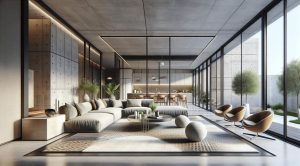
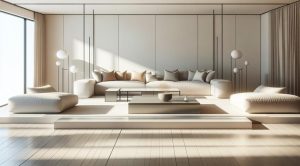
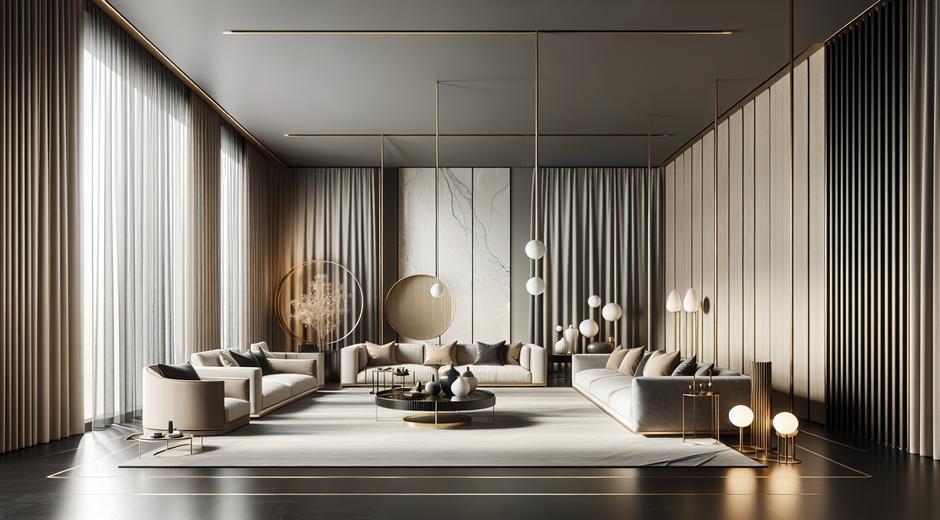
A modern living space is more than a style label. It is a set of principles that guide layout choices, material selection and system integration. Key principles include clean visual lines, emphasis on natural light, an open concept where rooms flow into one another, and adaptability so that spaces can perform multiple functions. A modern living space often favors neutral palettes that allow texture and light to create interest. The goal is to achieve harmony between beauty and performance so that daily routines feel effortless and intentional.
Design elements that matter most
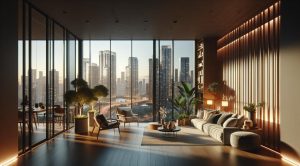
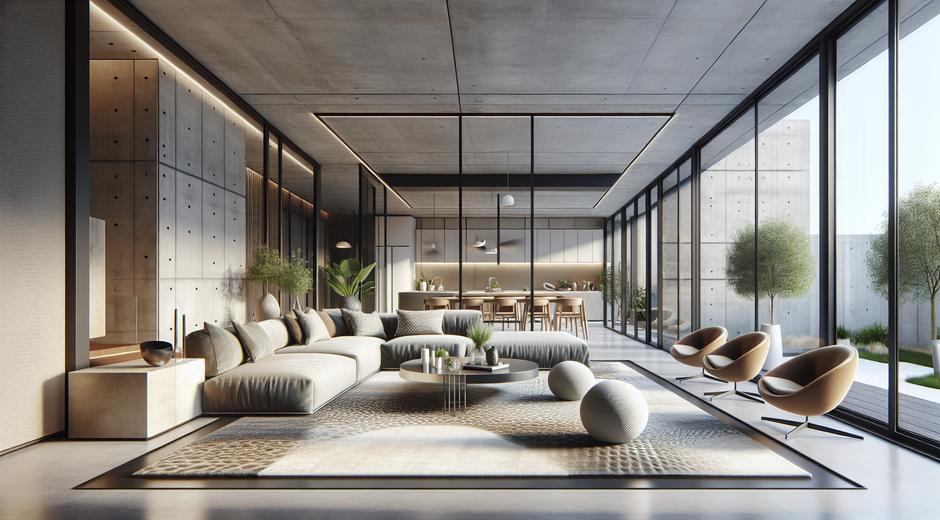
Successful modern design relies on a few repeatable choices. First, generous glazing and thoughtful window placement increase daylight penetration and connect interior with exterior. Second, minimal visual clutter strengthens the sense of calm. This is achieved with integrated storage solutions that make essentials accessible while keeping surfaces clear. Third, careful selection of materials such as engineered wood, concrete inspired surfaces and large format tile add a sophisticated tactile language without overwhelming the senses. Fourth, furniture that supports flexible use lets a living room become a home office or a guest retreat without additional construction.
Technology and smart home integration
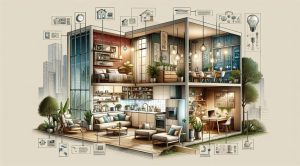
Technology is a defining feature of many modern living spaces. Smart lighting and climate controls deliver comfort and energy savings while voice or app based systems increase convenience. Home automation can be introduced in layers so that basic control needs are met first while more advanced scenes can be added later. Security systems that include remote monitoring and integrated door locks enhance safety in a way that feels seamless. For buyers who want properties that work as well as they look, consider homes where recent technology upgrades are documented and where platform choices make future expansions simple to implement.
Sustainable features that enhance quality of life
Green features are central to modern living spaces because sustainability improves both the environmental footprint and the long term value of a property. Passive strategies such as orientation that maximizes daylight and cross ventilation reduce reliance on mechanical systems. Energy efficient appliances and high performance glazing conserve power. Water saving fixtures and rain friendly landscaping support lower utility cost while promoting health and comfort. Selecting durable, low maintenance materials reduces lifecycle cost and helps maintain a fresh appearance for longer.
Flexible layouts and multifunctional rooms
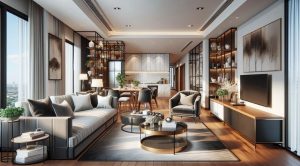
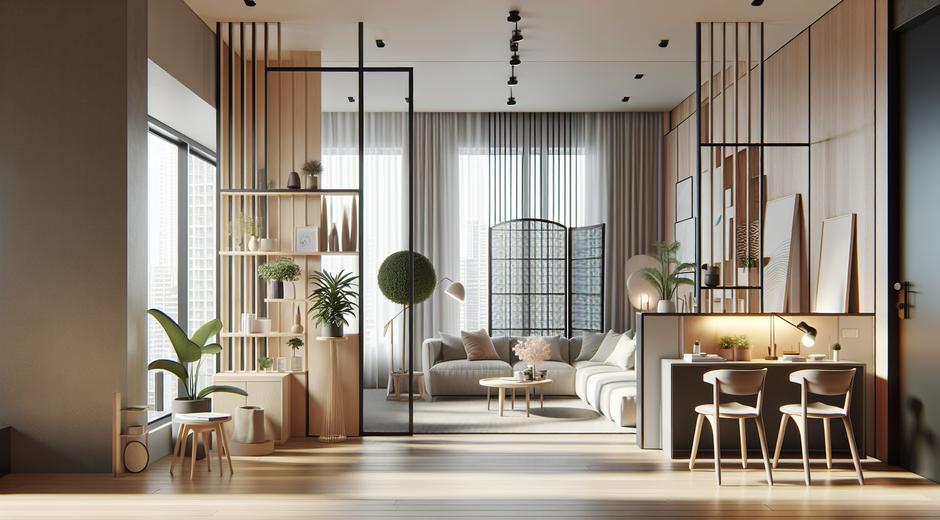
One trend that supports modern living spaces is flexibility. Homes are designed so rooms can change function over time. A flexible layout might include a room that serves as a living area by day and a media room at night. Built in furniture and mobile partitions allow visual zones without heavy construction. Kitchens often adopt a more open plan so prep space, dining and social areas flow together. When a space is designed for movement and multiple uses, occupants can adapt their environment as life stages change.
Lighting and acoustic comfort
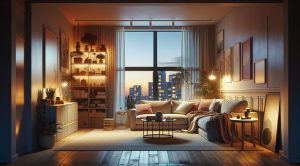
Light and sound matter greatly for how a modern living space feels. Layered lighting strategies combine ambient, task and accent sources so that each activity has proper illumination. Dimmable fixtures and color tuned options make it easy to shift mood from productive to relaxed. Acoustic treatments such as soft furnishings, area rugs and ceiling panels reduce reverberation so conversations and media hold clarity. Thoughtful lighting and acoustic control elevate both aesthetics and function, making every room feel intentional.
Interior finishes and color strategies
Contemporary palettes favor restrained color selection that supports a sense of continuity across rooms. Neutral backgrounds with pops of saturated color create focal points without visual noise. For finishes, matte surfaces and natural texture add sensory interest. Wall finishes that use large format tile or plaster style textures provide subtle depth. In kitchens and dining areas, materials that resist stains and hide wear are practical choices that maintain the refined appearance of a modern living space.
Outdoor integration and amenity use
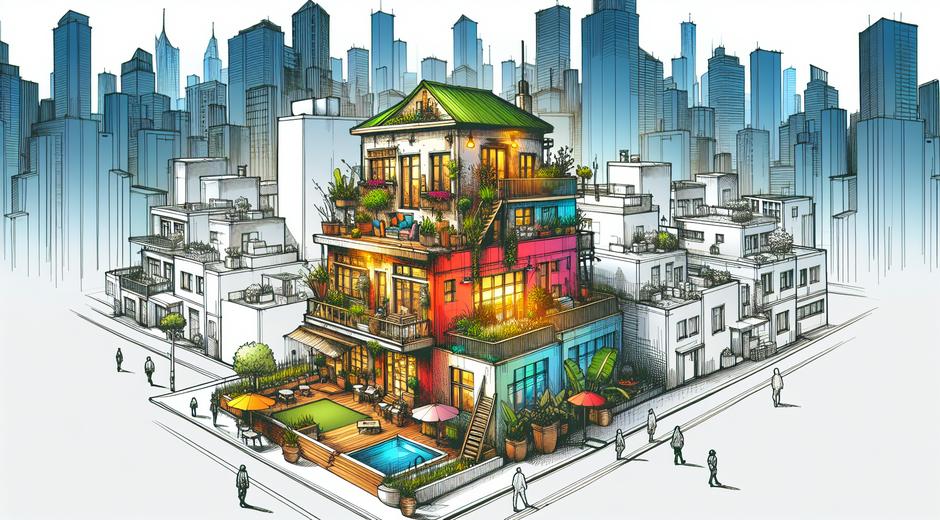
Connection to outdoor space is a signature of many modern homes. Balconies, terraces and small gardens extend living areas and create additional zones for relaxation and social life. Designing for visual continuity between inside and outside improves perceived square footage and promotes natural ventilation. Even compact outdoor areas can host edible plantings or seating nooks that increase property enjoyment. Practical amenities such as secure storage for bicycles and a place to recharge electric vehicles add everyday convenience while reinforcing modern lifestyle priorities.
How to search for modern living properties
Finding the right modern living space involves more than style preference. Look for properties that balance efficient layout with quality systems and materials. When browsing online or working with a broker, prioritize listings that highlight recent upgrades to mechanical systems, insulation and glazing. For curated regional options and property insights visit metropropertyhomes.com to explore a range of homes that emphasize contemporary design and practical living solutions. Pay attention to floor plans so you can evaluate how sunlight moves through the home and how much storage is provided. If possible visit at different times of day to check daylight and noise levels.
Lifestyle choices and kitchen culture
The kitchen is often the heart of a modern living space. Open planning encourages cooking and socializing to coexist. Contemporary kitchens favor tools and systems that streamline meal preparation while minimizing cleanup. For ideas that combine culinary passion with modern kitchen design, check out recipe and lifestyle collections on TasteFlavorBook.com where food lovers and design seekers find cross inspiration. A kitchen that reflects how you use it will support daily habit and occasional entertaining with equal ease.
Budgeting for upgrades and long term value
Investing in a modern living space can deliver both short term comfort and long term resale strength. Prioritize upgrades that improve energy efficiency and reduce maintenance cost. New windows, upgraded insulation and reliable HVAC systems often provide the best return for comfort and market appeal. When selecting aesthetic updates, choose classic modern finishes that are unlikely to date quickly. A careful mix of timeless quality and selective statement pieces creates a home that attracts broad buyer interest down the line.
Conclusion
Modern living spaces combine design clarity, technological capability and adaptable planning to create environments that support daily life and future change. Whether you are seeking a new property or imagining an upgrade to your current home, focus on light, flow, durable materials and intelligent systems. These elements work together to create a sense of ease and a lasting investment. When researching options, use trusted property resources and design inspiration to find a home that matches both aesthetic and practical goals. Thoughtful choices today can yield enjoyment and value for many years into the future.