

Natural light optimization: How to transform properties for comfort value and energy savings
Natural light optimization is a cornerstone of modern property design and marketing. For anyone selling renting or managing properties a strategy that maximizes natural light can improve perceived space reduce energy use and boost appeal to potential buyers or tenants. This article explains practical design choices window placement and interior treatments that help you capture more daylight while controlling glare and heat. Read on for actionable tips that work in apartments single family homes and multi unit buildings.
Why natural light optimization matters for property value
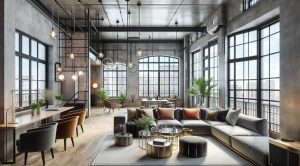
Properties that make the most of daylight are easier to show and photograph. Bright interiors often feel larger cleaner and more welcoming. From a technical perspective increasing access to natural light can lower electric lighting costs during daytime hours and reduce reliance on climate control when combined with proper ventilation and shading. For landlords property managers and real estate agents a focus on daylight can shorten marketing time and justify higher listing prices by enhancing perceived quality without large renovation budgets.
Start with site assessment and window strategy
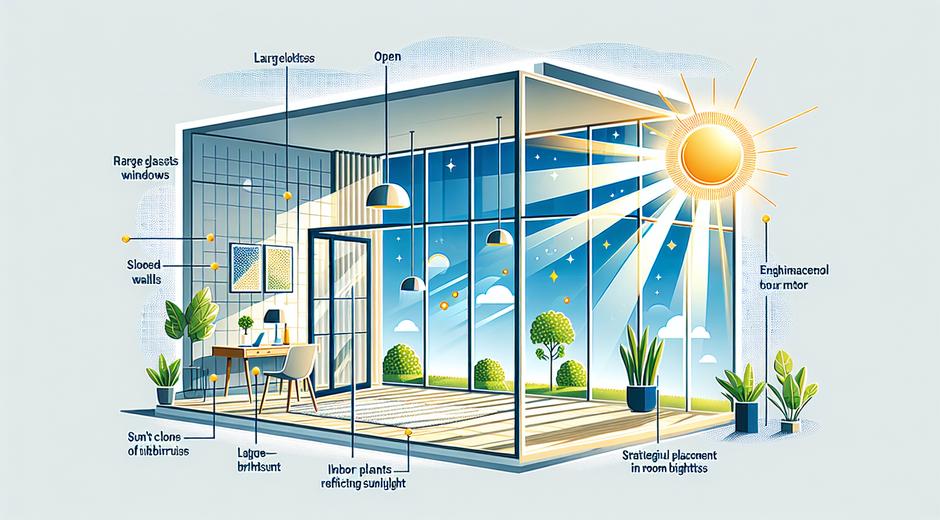
Optimizing natural light begins outside. First analyze the building orientation surrounding structures and landscape features that cast shade. South facing windows receive the most consistent daylight in many climates while east facing windows capture morning sun and west facing windows capture late afternoon light which can be intense. Once you understand the path of the sun you can plan window size and placement to deliver balanced light across living spaces.
Small adjustments often yield large gains. Replacing a solid exterior door with a door that includes glazed panels positioning new windows to the sides of a room or adding clerestory windows above eye level can distribute light deep into interiors. If you manage multiple properties use photos and floor plans to compare natural light levels across listings and highlight the best oriented units in your marketing materials on metropropertyhomes.com.
Interior layout and finishes that amplify daylight
Once you have daylight entering a space the next step is to let it travel. Open layouts reduce barriers that block light while internal glass partitions can allow light to move between rooms without sacrificing separation. For tighter budgets paint choices and surface finishes are powerful tools. Light colored walls and ceilings reflect more light than dark surfaces. Gloss and satin paints reflect more than flat paints but require careful application. Flooring choice also matters. Light wood tones light stone and pale tiles increase overall brightness. Even cabinet finishes in kitchens and bathrooms can be selected to contribute to a brighter feel.
Using mirrors and reflective decor strategically across from windows can double perceived light in narrow rooms. Keep bulky furniture away from window zones and choose pieces with slim profiles so light reaches further into the room.
Control glare heat and privacy with smart shading
Natural light optimization is not only about maximizing light quantity. It is also about managing quality. Too much direct sunlight can create glare fade textiles and increase cooling loads. Use adjustable shading such as blinds shades or drapery to control direct rays while preserving ambient light. Cellular shades offer good insulation properties while sheer curtains soften glare and maintain privacy. Exterior options like awnings and retractable shades block sun before it hits glazing which reduces heat gain more effectively than interior coverings.
High performance glass coatings and window films are another option. They let visible light through while reflecting infrared heat. If you manage a portfolio of properties investing in upgrades that improve comfort and energy performance can reduce operating expenses and attract tenants who value lower utility bills.
Daylight sensors and lighting integration
Lighting control systems with daylight sensors automatically dim or switch off electric lighting when sufficient daylight is present. Integrating these controls into common areas like lobbies hallways and open plan offices both saves energy and maintains consistent illumination levels. For rental units providing tenants with simple manual controls for window coverings alongside automated systems for shared spaces creates a balanced approach that supports comfort and energy efficiency.
Landscaping and exterior considerations
Outdoor elements play a role in natural light optimization. Mature trees offer cooling shade in summer yet they may block desirable light in winter when daylight is lower. Select deciduous tree species to create seasonal variation that shades in warm months and allows light during cool months. Position planter boxes and tall shrubs to frame views rather than block window openings. For urban properties consider reflective ground materials or light colored paving that can help bounce daylight into lower level rooms.
Cost effective upgrades for higher returns
Not every property needs a full overhaul to achieve better daylight performance. Low cost upgrades often deliver excellent returns. Replacing heavy curtains with light colored sheers adding mirrors and switching to lighter paints are all low cost interventions. Window maintenance such as cleaning and sealing can maximize light transmittance while preventing drafts. For larger investments consider adding skylights or solar tubes which bring daylight into central rooms without major structural work. When selecting upgrades weigh both the initial cost and the likely increase in rent or sale price to prioritize the most effective improvements for your portfolio.
Staging and photography tips to showcase natural light
When marketing a property highlight its daylight advantages. Stage rooms to face windows and remove clutter that might block lines of sight. Use neutral color palettes that read well in photography and choose shooting times when natural light is at its best for each orientation. For east facing rooms shoot in the morning for warm soft light. For west facing rooms capture late afternoon sunshine while guarding against blown highlights with careful exposure. High quality photos that emphasize bright airy spaces will draw more interest on listing platforms and lead to higher engagement from prospective buyers and renters.
Case studies and resources for inspiration
Explore design showcases and renovation stories to spark ideas. Many online resources and design publications feature before and after examples of natural light optimization in small apartments and large homes. For broader lifestyle and design inspiration consider reputable sources that cover architectural trends and interior solutions such as window treatments glazing options and efficient lighting systems. A useful resource for design trends and creative layouts is Newspapersio.com where you can find articles and examples that align with current market preferences.
Measuring success and ongoing maintenance
Track the benefits of natural light optimization by measuring energy consumption before and after upgrades surveying tenant satisfaction and monitoring rental or sale rates. Regular maintenance keeps glazing clean seals intact and shades operating smoothly which preserves light performance over time. Consider periodic assessments especially after seasonal changes in foliage or nearby construction that may alter light patterns.
Conclusion
Natural light optimization is a multifaceted strategy that combines building orientation window design interior finishes shading solutions and smart controls. For property professionals these techniques enhance tenant comfort reduce energy use and strengthen marketability. Begin with a site assessment implement incremental upgrades and use staging and photography to showcase improved daylight. With the right approach natural light becomes a powerful asset that elevates both everyday living and long term property value.
If you manage listings want to highlight daylight advantages or need further content tailored to specific property types visit metropropertyhomes.com for more resources and local market insight.