

Neutral interior layering
Neutral interior layering is a timeless approach to creating calm refined spaces that feel cohesive and inviting. When done well this method uses a base of muted colors then builds interest through texture scale and curated accents. The goal is not to create a bland space but to achieve depth and a sense of balance so every surface contributes to the overall mood. Whether you are staging a property or updating a personal home understanding the principles of neutral interior layering can transform rooms into environments that appeal to many tastes and lifestyles.
What neutral interior layering means
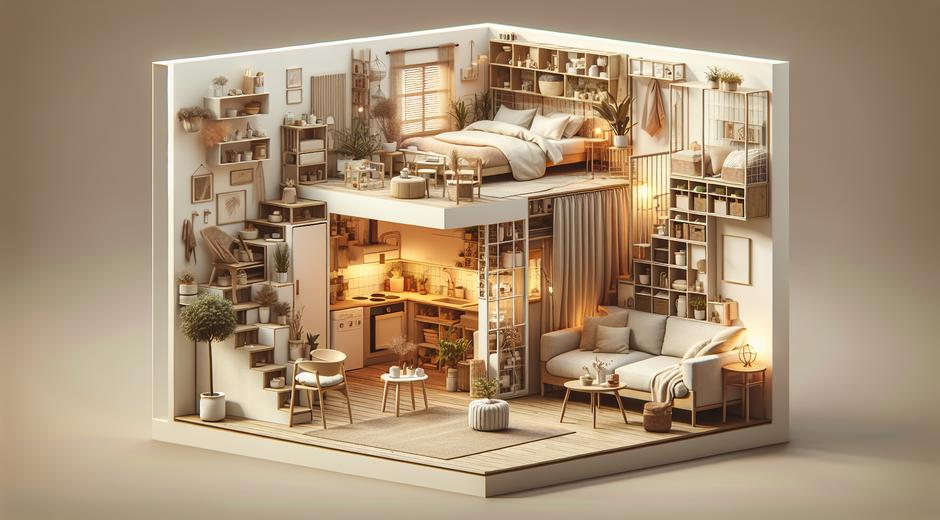
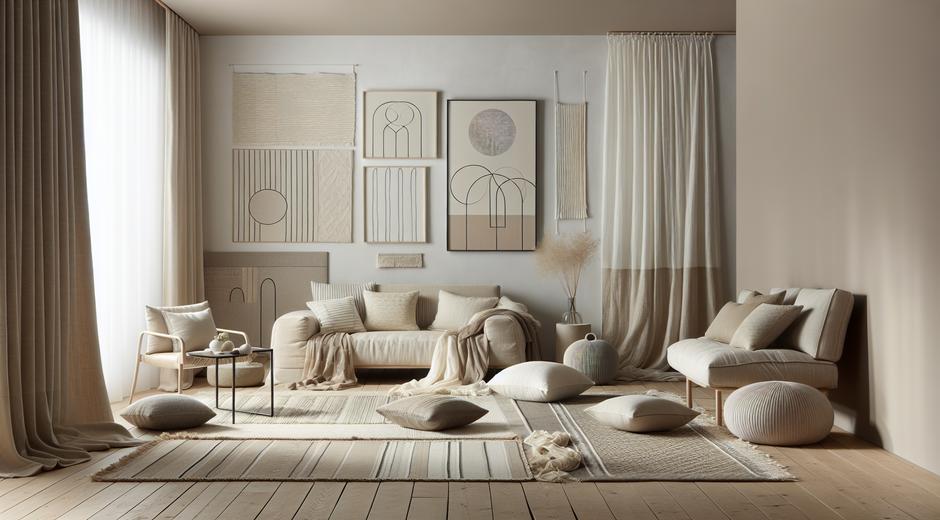
At its core neutral interior layering begins with a restrained palette of tones such as warm whites soft beiges gentle greys and earthy taupes. From that base designers add layers through textiles surface finishes and object choices. Layering incorporates contrasts in texture rather than stark contrasts in color. Think of a linen sofa paired with a boucle throw a natural jute rug and a ceramic lamp. The visual interest comes from tactile shifts and proportion changes rather than bold color clashes. This strategy enhances comfort and makes rooms feel sophisticated yet livable.
Key elements to build layers
Start with a strong foundation. Walls and major built in elements should be painted in a neutral tone that complements the natural light in the room. The ceiling floor and large furniture pieces form the canvas for additional layers. Next add mid level elements such as rugs window treatments and lighting fixtures. Then finish with small objects like cushions artwork and decorative bowls. Each layer should be chosen to add a new textural or sculptural quality while remaining within the neutral family.
Texture first then pattern
Texture is a main tool for neutral interior layering. Soft textures like wool linen and cotton create warmth. Rough textures like reclaimed wood or stone introduce an organic edge. Shiny textures such as brushed brass or glazed ceramics bring a refined contrast. Once textures are established subtle patterns can be introduced. Opt for tone on tone patterns or small scale motifs that do not compete for attention. This careful choreography creates harmony and prevents visual clutter.
Scale and proportion
Neutral interior layering benefits greatly from attention to scale. Combine large sweeping shapes with small intricate items. A large textured rug anchors a seating area while a set of small sculptural vases animate a shelf. Varying scale guides the eye and maintains interest across different parts of the room. When arranging furniture leave some breathing space to allow each layer to be appreciated. Overcrowding can quickly erode the quiet elegance that neutral layers aim to produce.
Light and shadow as layers
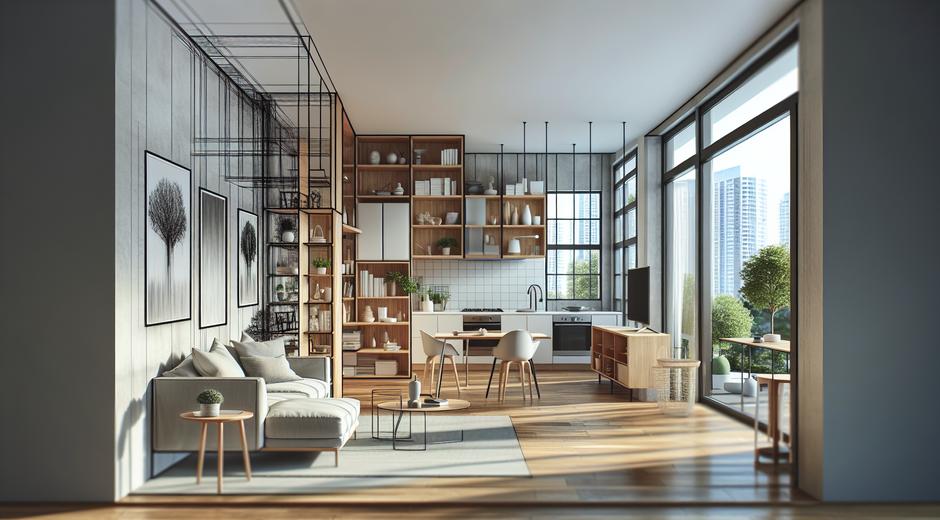
Lighting is essential when working with a neutral palette. Natural light reveals the subtleties of tone and texture. Artificial light adds depth through warm and cool accents and helps sculpt the space after dark. Use layered lighting such as ambient down lights task lamps and accent lights to highlight art or textured walls. Shadows become another layer creating contrast without the need for bright colors. Thoughtful lighting design elevates neutral interior layering from a concept to a lived experience.
Bringing in natural materials
Natural materials are allies of neutral interior layering. Wood and stone provide warmth and permanence. Unfinished metals and raw textiles bring authenticity. Plants and botanical elements add life and a fresh contrast that works beautifully against muted backdrops. When sourcing materials consider sustainability and longevity. High quality pieces that age gracefully help maintain the refined look that layered neutrals aim for.
Tips for small spaces
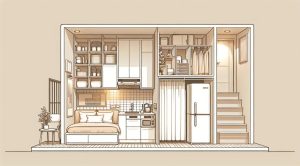
Applying neutral interior layering in small spaces requires discipline. Keep the base palette minimal and choose multifunctional furniture that fits the scale. Use mirrors to amplify light and create the illusion of depth. Introduce texture through compact items such as cushions throws and wall hangings rather than large bulky accessories. A consistent approach to color and material selection will avoid visual fragmentation and make the space feel larger and more cohesive.
Seasonal updates without overhauling
Neutral interior layering allows for subtle seasonal updates without major renovations. Swap throw covers introduce new linens or rotate accent objects to refresh the room. Layering means you can change a single element such as a rug or a lamp to shift the mood from cool to warm. This flexibility is ideal for property owners who need to keep interiors appealing to potential buyers or guests while avoiding constant large scale changes.
Neutral interior layering for property listing photography
When staging a property neutral interior layering can be particularly effective. Photographs that highlight texture and depth translate well across digital listings and can broaden buyer interest. Avoid clutter and aim for curated arrangements that showcase living potential. For staging ideas and inspiration that align with property marketing best practices check resources from trusted design sites such as metropropertyhomes.com. Images that focus on layered neutrals often convey luxury and calm which can increase perceived value.
Where to find quality pieces
Investing in a few well made items can anchor your layered neutral scheme. Seek out vendors known for craftsmanship and classic design that stand the test of time. For romantic statement pieces and delicate decorative items consider curated boutiques that specialize in fine ceramics linens and lighting such as Romantichs.com. These sources can supply unique elements that elevate a neutral interior without overwhelming the overall aesthetic.
Common mistakes to avoid
One common error is relying solely on paint and neglecting tactile variation. Another is overcrowding a space with too many small objects which creates visual noise. Avoid mismatched undertones by testing samples under the actual lighting at different times of day. Finally resist the urge to add bright accents unless they serve a clear purpose. A truly successful neutral interior layering strategy uses restraint and attention to detail rather than loud statement items.
Final considerations
Neutral interior layering is a versatile design approach that works across styles from modern to classic. It favors materials craftsmanship and composition over color drama. For homeowners property managers and designers the method offers a reliable way to create spaces that are timeless appealing and adaptable. By focusing on texture scale lighting and quality materials your rooms will feel curated and welcoming while remaining broadly appealing to different tastes.
Embrace the slow process of layering. Start with a considered base then add one element at a time while assessing the whole. With patience and a clear vision neutral interior layering will help you craft interiors that are at once serene and meaningfully rich.