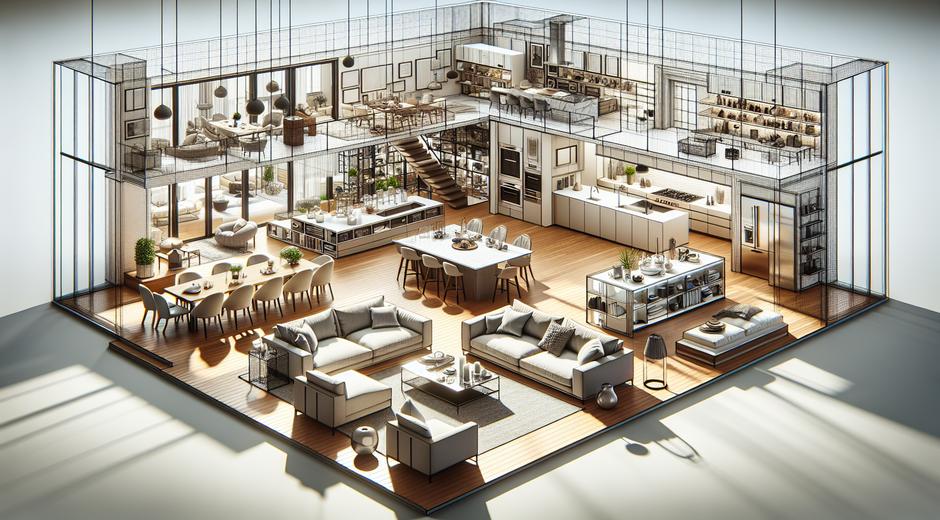


Open Plan Living: Transform Your Home with Space Flow and Function
Open Plan Living is more than a design trend. It is a lifestyle approach that brings light, flexibility and connection into a home. For buyers and sellers alike understanding how to create and present an open plan space adds value and appeal. In this guide we explore the core benefits design strategies and practical tips that help you make the most of open plan living whether you are renovating staging or house hunting.
Why Open Plan Living Matters
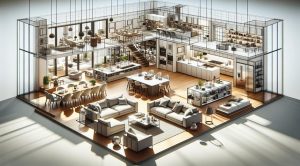
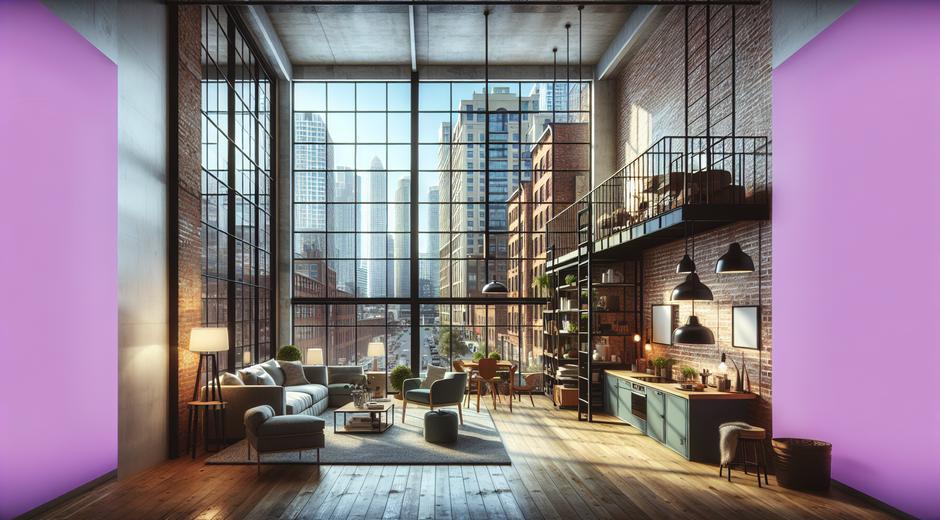
Open Plan Living breaks down barriers between traditional rooms so that kitchen dining and living areas flow together. This sense of openness creates a brighter atmosphere easier social interaction and a feeling of spaciousness even in moderate sized homes. For families open plan layouts allow supervision while cooking and for entertainers the layout keeps guests engaged. For real estate the perceived size and modern appeal of open plan living can increase resale potential and speed up listings.
Key Benefits for Everyday Life
There are tangible benefits that make open plan living attractive. Natural light travels freely through fewer walls which reduces the need for artificial lighting and creates a healthy living environment. Air circulation improves which can support comfort and indoor air quality. The freedom to arrange zones by function rather than by walls increases flexibility so rooms can evolve with changing needs. These advantages appeal strongly to younger buyers downsizers and design conscious families.
Design Strategies to Maximize Flow
Successful open plan living relies on intentional design choices that maintain cohesion while defining function. Start with a consistent palette for floors and walls. Continuity in materials and tones ties the areas together. Use area rugs furniture placement and lighting clusters to define zones without adding walls. A central island in the kitchen can anchor the cooking zone and provide casual seating to connect with the living area. Glass or half height partitions can offer visual separation while preserving light and sight lines.
Lighting and Color Techniques
Lighting plays a central role in open plan spaces. Layer ambient task and accent lighting to create mood and utility across different zones. Pendant lights above a dining table or kitchen island create focal points and help delineate areas. Window treatments should enhance natural light while offering privacy when needed. Color choices influence perceived space. Light tones reflect light and expand the room visually while accent walls and textured finishes add depth and character without dividing the space.
Furniture and Zoning Tips
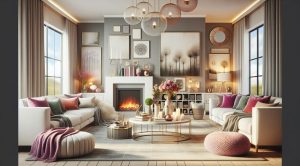
Furniture arrangement is the most effective way to create function in an open plan layout. Position sofas to face a focal point such as a media unit or fireplace which creates a defined living zone. Use shelving units or low consoles to act as subtle dividers that provide storage and visual separation. Flexible furniture such as nesting tables and movable islands supports multifunctional living. When selecting furniture prioritize scale and proportion so pieces do not overwhelm the continuous space.
Storage Solutions That Work
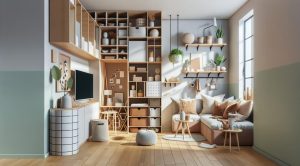
Open plan spaces require strategic storage to avoid clutter. Built in cabinetry along a single wall keeps essentials organized while preserving open sight lines. Hidden storage such as bench seating with lift tops and ottomans with compartments maintains a clean aesthetic. Open shelving can display curated items but should be balanced with closed storage to reduce visual noise. Intentional storage design supports the minimalist clarity that feels essential in an open plan home.
Acoustic Considerations
With walls removed sound travels more freely so acoustics need attention. Soft surfaces absorb noise. Rugs curtains and upholstered furniture reduce echoes. Acoustic panels can be integrated into ceilings or walls as design features that also improve sound quality. Planning for appliances and ventilation that operate quietly is important in a space where activities overlap. Thoughtful acoustic design ensures the home remains comfortable and functional.
Practical Considerations for Renovation
Turning a segmented floor plan into an open plan space requires care. Always consult a licensed professional before removing structural elements. Load bearing walls and utilities must be evaluated and reinforced if needed. Wiring plumbing and heating systems may need relocation which affects budget and timing. Consider the flow of traffic and how natural light will move through the new layout. Good planning reduces surprises and maximizes the investment in creating a bright modern living environment.
How to Stage an Open Plan Home for Sale
Staging open plan spaces requires a balance between showing flow and suggesting purpose. Arrange furniture to create clear living dining and kitchen zones while leaving ample circulation space. Keep styling minimal and well edited so rooms read as generous and welcoming. Use groupings of decorative objects and layered lighting to add warmth. High quality photography taken from angles that emphasize depth and light will attract buyers. If you are preparing a home for market consider professional staging services and refer to trusted resources for modern styling ideas. One such resource for curated furniture and staging guidance is Zoopora.com which supplies inspiration and practical tools for presenting open plan spaces.
Finding Open Plan Homes Near You
If you are looking to buy a home with open plan living features start with listings that highlight flow and natural light. Use search filters for property type and interior features and review floor plans closely. Virtual tours reveal how contiguous spaces feel in real time. To explore a diverse selection of properties and to connect with experts who understand modern layouts visit metropropertyhomes.com which showcases homes that embrace contemporary living. Site listings often include detailed photos and descriptions that make it easier to evaluate open plan benefits before you visit in person.
Sustainability and Efficiency
Open plan living can support sustainable design. Fewer interior walls reduce material use and allow passive solar gains to warm interiors which lowers energy consumption. Efficient heating and cooling systems sized for the open layout maintain comfort while minimizing waste. Consider eco friendly materials and energy efficient appliances when renovating. These investments enhance comfort reduce bills and appeal to environmentally conscious buyers.
Conclusion
Open Plan Living offers a compelling combination of style utility and social connection. Whether you are renovating to update a dated layout preparing a property for sale or searching for a new home the principles outlined here will help you make confident choices. Focus on light flow and flexible zoning along with thoughtful storage and acoustic strategies. With careful planning and attention to design details open plan living can transform how you use and enjoy your home while boosting market appeal and long term value.