

Practical Apartment Design
Designing an apartment that feels larger, functions better and reflects personal style is a practical art. Whether you live in a compact studio or a roomy one bedroom unit, key design choices can transform daily life. This guide explores strategies that balance form and function so every square foot works harder and smarter. It also highlights ways to plan for long term comfort and to boost resale appeal for owners who want value preserving updates.
Start with Layout and Flow
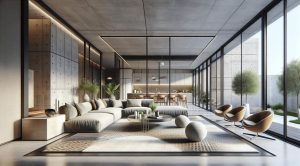
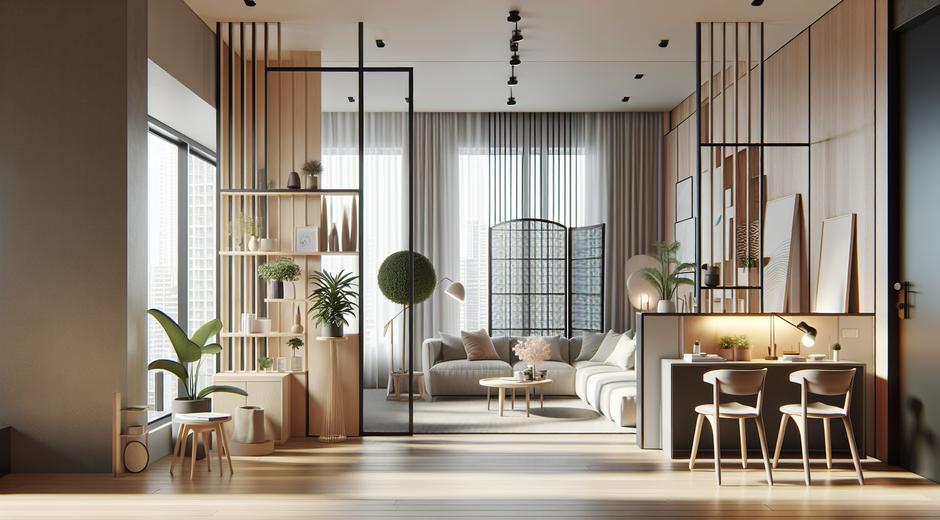
A practical apartment design begins with understanding circulation. Keep high use pathways clear so movement between kitchen living and bedroom is fluid. Visualize where you walk most often and avoid placing bulky furniture in those routes. Consider flexible arrangements such as furniture that can be moved easily to accommodate guests or tasks. Creating zones without building walls is a core skill. Use rugs lighting and furniture orientation to define areas for dining work and relaxation while maintaining an open feel.
Choose Multifunctional Furniture
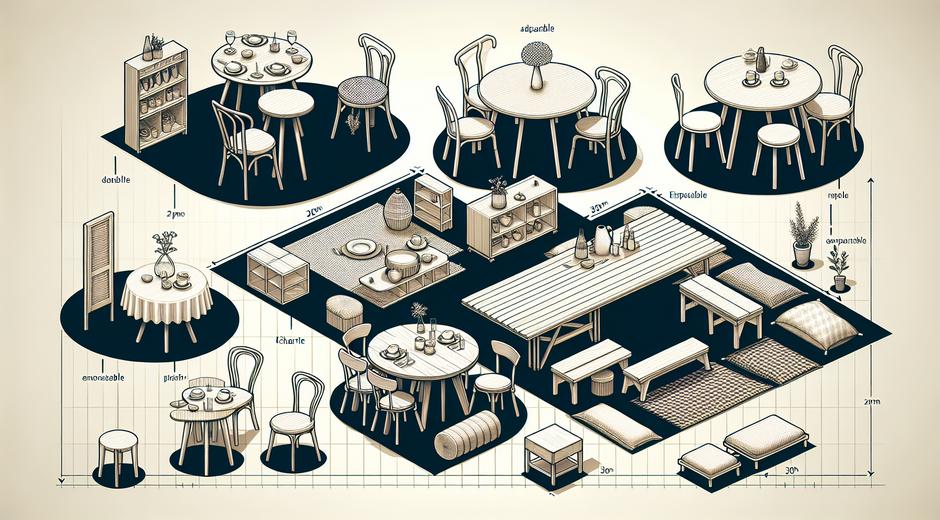
The right furniture can add adaptability without crowding a space. Look for items that serve more than one purpose. A sofa that converts to a guest bed a coffee table with storage and a dining table that doubles as a desk provide flexibility. Built in benches with lift up seats or ottomans with hidden storage keep clutter out of sight. For rentals consider lightweight pieces that do not require permanent installation but still offer strong utility and style.
Smart Storage Solutions
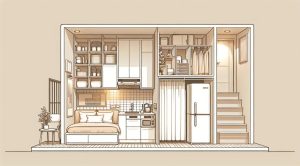
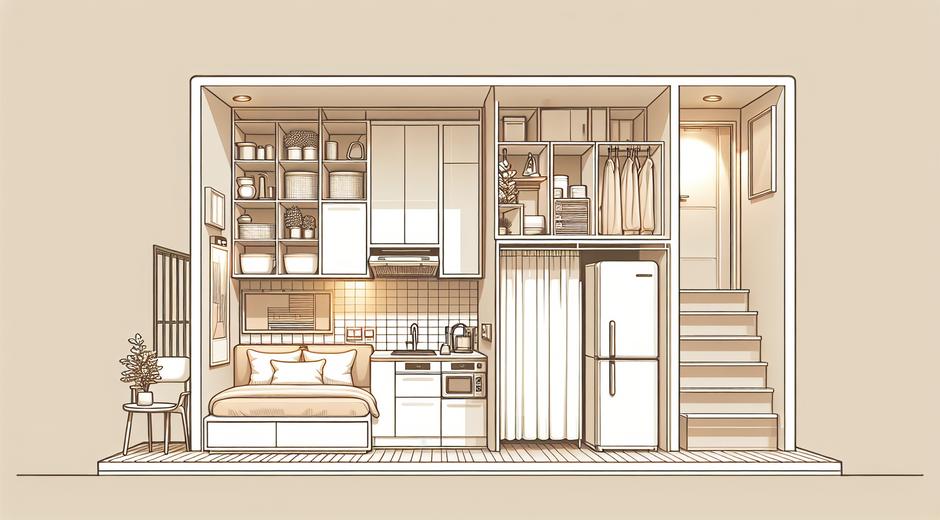
Storage is the backbone of practical apartment design. Start by decluttering then design storage around daily routines. Vertical storage makes use of often overlooked wall space. Install shelving above door frames and use tall cabinetry in kitchens and baths to maximize capacity. For wardrobes consider systems with adjustable shelves and drawers to fit changing needs. Under bed storage boxes and clear organizers for closets keep items easy to find. Remember that good storage reduces stress and makes small spaces feel orderly and calm.
Lighting That Works
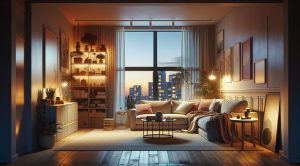
Lighting changes how space feels and how it functions. Layer light sources for versatility. Ambient lighting provides general illumination while task lighting focuses on reading cooking and work areas. Accent lighting highlights architectural features art and focal points. Use dimmers to adjust mood easily. If natural light is limited choose light reflecting surfaces and mirrors to amplify brightness. Warm temperature bulbs create a cozy atmosphere while cool temperature bulbs work well in task areas.
Color and Material Choices
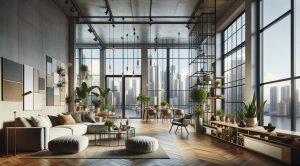
Color and materials define character while influencing perceived size. Lighter hues reflect light and make a room feel larger. Use a consistent palette across connected spaces to create flow. Contrast with deeper tones in furniture or textiles to add depth. Opt for durable materials that stand up to daily use especially in kitchens bathrooms and entryways. Easy to clean surfaces maintain a fresh look and require less maintenance over time.
Kitchen and Bath Practicality
Kitchens and baths must balance efficiency with aesthetics. In kitchens prioritize storage and work triangle efficiency between sink stove and refrigerator. Slimline appliances and narrow pull out cabinets can add functionality in small footprints. In bathrooms choose fixtures that save space without compromising comfort such as pedestal sinks wall mounted vanities and glass shower panels that keep sight lines open. Think long term about water saving fixtures to reduce utility costs and environmental impact.
Create Flexible Work and Rest Areas
With remote work more common it is essential to carve out a focused workstation. A small desk with vertical storage and good lighting can slot into a corner or niche without disrupting flow. For restful sleep invest in window treatments that block light and reduce noise. If a single room must serve as both an office and a bedroom use fold away furniture or room dividers that can be opened or closed to signal transition times. This helps maintain work life balance inside a compact footprint.
Smart Technology and Efficiency
Integrate smart technology to add convenience and energy savings. Smart thermostats adaptive lighting and efficient appliances lower operating costs and improve comfort. Choose systems that are simple to use and compatible with common voice or mobile platforms. Good wiring and outlet placement planned early will avoid having cords cross key spaces and will support future upgrades. Energy efficiency is both practical for daily life and a selling point for future buyers.
Texture and Accessory Strategy
Texture and accessories bring warmth without clutter. Use layered textiles such as throws rugs and curtains to add softness and absorb sound. One or two large pieces of art make a stronger statement than many small items which can feel busy in a small space. Plants add life and improve air quality. Keep accessories organized in trays baskets and boxes to maintain a tidy look. The goal is an inviting environment that remains easy to maintain.
Budget Friendly Upgrades That Impress
Small investments often yield big returns. Painting is a low cost way to refresh walls and create continuity. Upgrading hardware on cabinets and doors modernizes appearance without high cost. Swap outdated light fixtures and add under cabinet lighting in the kitchen to create a premium feel. These updates improve daily enjoyment and increase market appeal. For inspiration and local listings check resources that specialize in apartment offerings and design tips like metropropertyhomes.com where practical living ideas meet property information.
Sustainability and Long Term Planning
Design with durability and sustainability in mind. Choose materials that are long lasting and easy to repair. Low maintenance finishes reduce lifecycle waste. Incorporate water and energy saving fixtures and consider second hand or upcycled furniture to cut costs and environmental impact. Planning ahead for flexible use ensures the space can adapt to lifestyle changes such as a new roommate a home office need or a young child. Thoughtful design today avoids costly renovations later.
Final Checklist for Practical Apartment Design
Use this checklist to evaluate design choices before committing. 1. Does each piece serve a clear purpose 2. Are major pathways clear and unobstructed 3. Is storage optimized vertically and under furniture 4. Does lighting offer layered options for tasks and mood 5. Are materials durable and easy to clean 6. Is there a flexible workspace if needed 7. Do updates add both comfort and resale value. These seven items will guide decisions that create a balanced and harmonious living space.
Practical apartment design is about solving real problems while creating a beautiful and welcoming home. By focusing on flow multifunctional furniture smart storage layered lighting and sustainable choices you can build an apartment that supports everyday life and grows with you. For more ideas practical listings and design guidance visit MetroPropertyHomes.com to explore possibilities and to find inspiration for your next home project.