

How Property Value Works and How to Increase It
Understanding Property Value is essential for homeowners buyers sellers and investors. This article explains what Property Value means what factors shape it and practical steps you can take to increase the worth of a home. Use the insights here to make smarter decisions when you buy sell or renovate real estate and to improve long term wealth built through property.
What Is Property Value
Property Value is the amount a buyer will pay for real estate under current market conditions. It reflects a blend of objective measures and subjective perceptions. Objective measures include square footage location and the age of the structure. Subjective factors include curb appeal neighborhood reputation and future development plans near the site. Lenders appraisers and tax assessors each use different methods to estimate value so the number you see on a tax notice may differ from a market appraisal.
Key Factors That Influence Property Value
Several main elements influence Property Value. Knowing these will help you plan improvements that offer the best return on investment.
Location This remains the prime driver of value. Proximity to public transport quality schools hospitals shopping and green space all boost appeal. Neighborhood safety and the pace of local investment also matter.
Condition and Age Well kept homes demand higher prices than those that show deferred maintenance. Modern systems such as efficient heating and upgraded plumbing increase buyer interest.
Size and Layout Total living area lot size and a functional efficient layout influence buyer perception. Open layouts natural light and usable outdoor areas create value.
Local Market Trends Inventory levels average time on market and interest rates all shape demand and price movement. A seller market lifts values while an oversupply can lower them.
Regulation and Zoning Local zoning rules planned roads new transit lines and future development can raise or reduce the value of a given parcel.
How Values Are Determined
Appraisers use three common approaches to estimate Property Value. The comparable sales approach looks at recent sales of similar homes nearby and makes adjustments for differences. The cost approach estimates how much it would cost to replace the structure minus depreciation then adds land value. The income approach models potential rental income and applies an appropriate multiplier to derive value. For typical residential buyers the comparable sales approach often carries the most weight.
Practical Steps to Increase Property Value
Not all improvements yield the same return. Here are targeted upgrades that tend to boost Property Value efficiently.
Curb Appeal First impressions matter. Clean landscaping a fresh coat of exterior paint and a tidy entry create a welcoming image that can lift buyer interest without major expense.
Kitchen Updates The kitchen is a central pivot for value. Focus on modern cabinetry efficient layout and durable counter materials. You do not always need a full remodel. Refinish surfaces update hardware and add modern appliances to gain a strong return on cost.
Bathroom Improvements Fresh tile new fixtures improved lighting and a modern vanity make bathrooms feel newer and fresher. Even small cosmetic upgrades can have big impact on buyer perception.
Energy Efficiency Buyers increasingly seek lower operating costs. Add insulation upgrade windows install programmable thermostats and consider efficient appliances. These changes increase comfort and reduce bills while improving market appeal.
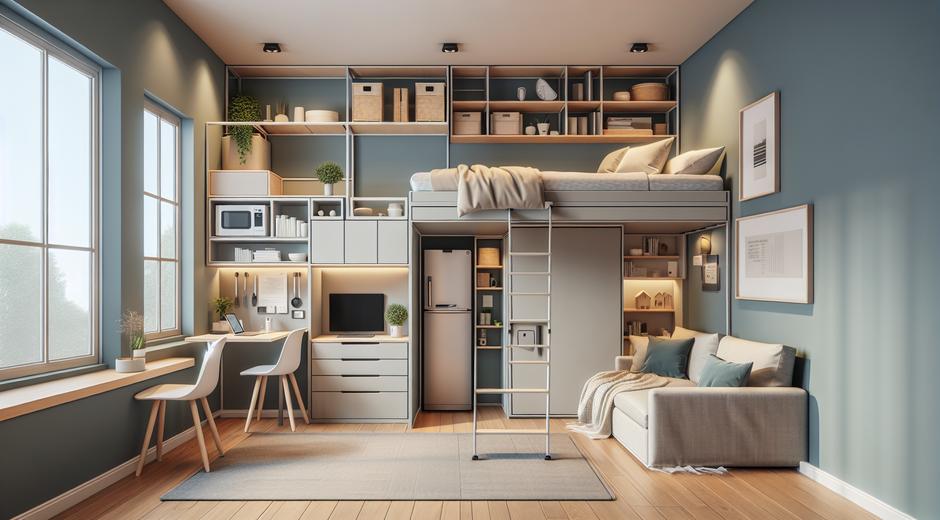
Functional Space Converting underused areas into practical living space adds value. Consider finished basements home offices or flexible guest suites. Ensure the work meets local building codes so you can document the upgrade to potential buyers.
Maintenance and Systems Buyers look for homes that do not present hidden cost risk. Regular roof checks foundation repair and updated electrical systems reduce perceived risk and support higher offers.
Timing and Market Strategy
When you make improvements matters. If your goal is short term sale focus on high impact low cost upgrades. If you intend to hold a property longer then invest in durable enhancements that support steady appreciation. Monitor local listings to see buyer expectations and price points in your area before you decide which projects to undertake.
Valuation Tools and Professional Help
Use digital valuation tools for a quick estimate but treat them as a starting point. An appraisal from a licensed professional gives a precise snapshot for lending and tax matters. Realtors provide comparative market analysis and local market insight which can guide pricing and renovation choices. For financial planning or mortgage advice consult a trusted financial resource such as FinanceWorldHub.com which offers articles and calculators that help you estimate costs and returns.
How to Present Value to Buyers
Presentation matters as much as physical upgrades. Stage interior spaces to highlight flow and function. Provide documentation for permits receipts and warranties so buyers feel confident about condition and maintenance. Create a list of recent upgrades and energy savings to show how the home reduces future cost for the buyer.
Common Mistakes to Avoid
Avoid over investing in overly personalized or extravagant upgrades that do not match neighborhood price points. For example ultra high end finishes in an area with modest median prices may not return cost at sale time. Also do not miss basic maintenance. Small visible problems create doubt in buyers mind and can lower offers.
Long Term Value Drivers
Beyond short term projects think about long term features that support appreciation. Good schools transit access and community amenities continue to lift Property Value over decades. Supportive local government sensible planning and investment in infrastructure can drive steady growth in property worth.
How Metro Property Homes Can Help
If you want more localized listings insight or service options visit metropropertyhomes.com to explore resources tailored for buyers sellers and investors. The site offers guides on staging market analysis and a listing feed to help you compare similar homes in your area.
Conclusion
Property Value is the result of many interacting factors. By understanding what drives value and focusing on the right projects you can protect and grow the worth of your home. Start with basic maintenance then prioritize changes that buyers notice such as modern kitchens efficient systems and improved curb appeal. Use professional advice and reliable data to guide major investments. With the right approach you improve lifestyle comfort and secure stronger financial outcomes when it is time to sell.
Use this guide as a roadmap and return to it as you plan upgrades compare market options and track value over time. Smart choices now create greater opportunity later when you list insure or leverage property equity.