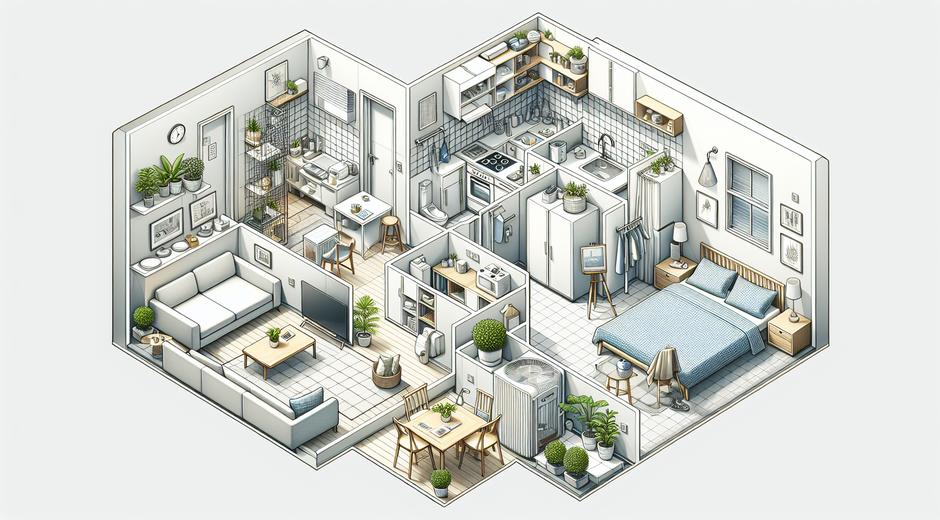


Home Renovation Guide for Property Owners
Home Renovation is more than a buzzword for buyers and owners. It is a strategic process that increases comfort value and market appeal. Whether you plan a small update for a single room or a full scale transformation across an entire property the right approach helps you control cost achieve quality and maximize return on investment.
Why Home Renovation Matters
Renovations refresh aging systems and finishes and adapt living spaces to modern needs. Upgraded kitchens and bathrooms often deliver the highest visible impact. Structural repairs protect your investment. Energy efficient upgrades lower monthly utility bills. Thoughtful design improves daily living and creates a more attractive listing for future sale. For many owners renovating is the fastest path to increased equity without relocating.
How to Plan a Successful Project
A clear plan reduces surprises. Start by listing priorities and desired outcomes. Consider what must be fixed now and what can wait. Create a scope that outlines rooms systems and finishes to be addressed. For larger projects hire a qualified designer or architect early. Their input helps avoid costly changes when work is underway. Set realistic timelines and build in buffer time for inspections permitting and unexpected repairs.
Create a Realistic Budget
Budgeting is both an art and a science. Research local costs for materials labor and permits. Break your budget into categories such as structure mechanical finishes and contingency. Contingency of up to 20 percent protects you from unknowns uncovered during work. Prioritize investments that deliver both improved function and greater resale appeal. If you need inspiration for styles and product options visit metropropertyhomes.com for ideas that match a wide range of property types.
Choose Between DIY and Professional Help
Some updates are ideal for DIY while others require licensed trades. Cosmetic work such as painting light fixture replacement and finish carpentry can often be handled by confident homeowners. Complex tasks like electrical plumbing structural changes and HVAC work should be completed by licensed professionals. Hiring a contractor with strong references can save time and reduce risk. Obtain multiple quotes review portfolios and confirm licensing and insurance before you sign a contract.
Maximize Return on Investment
Not all renovations yield the same return. Focus on high impact areas such as kitchens bathrooms and curb appeal. Energy efficient upgrades such as windows insulation and modern heating systems often qualify for rebates and appeal to eco conscious buyers. Neutral finishes and timeless materials attract a wider market. When planning upgrades think about both immediate enjoyment and future resale value.
Sustainable Options and Long Term Value
Sustainable choices are increasingly important for both residents and buyers. Low flow fixtures LED lighting and energy efficient appliances reduce resource use and operating costs. Consider durable low maintenance materials for flooring and countertops to reduce replacement needs. Green upgrades also support healthier indoor air quality. For specialized sustainable design resources and trends explore trusted industry partners like Museatime.com which offer curated content on materials and design strategies.
Permits Inspections and Local Regulations
Permits protect homeowners and buyers by ensuring work meets local building codes. Before beginning structural electrical or plumbing work check local requirements. Failure to obtain necessary permits can create obstacles for financing and resale. Schedule required inspections at key milestones to avoid costly rework. A reputable contractor will manage permit submission and coordinate inspections on your behalf but you should confirm this is included in your contract.
Timeline and Project Management
Establish a realistic timeline that accounts for lead times on materials contractor availability and inspection windows. Communicate milestones and expectations with all parties. Weekly check ins with a contractor help address issues early. Keep records of receipts warranties and product specifications. Clear communication ensures workmanship aligns with your design and budget goals.
Design Tips That Work
Choose finishes that create cohesion across living spaces. Neutral color palettes make rooms feel larger and allow furniture and art to stand out. Invest in quality lighting because it shapes mood and function. Optimize storage solutions to improve usability and maintain a tidy appearance. When selecting materials prioritize durability in busy spaces such as kitchens and entry areas.
Common Mistakes to Avoid
Avoid common pitfalls by planning ahead. Under budgeting leads to stalled projects. Skipping permits risks future sale complications. Over customizing for narrow tastes reduces appeal to many buyers. Rushing design decisions often results in costly replacements. Instead invest time in selecting finishes and confirming layouts before work begins. Vet contractors thoroughly and verify references to minimize risk.
Financing Your Renovation
There are multiple financing options to match project scope. Home equity loans and lines of credit typically offer competitive rates. Personal loans and renovation specific mortgages are alternatives for buyers without available equity. Some lenders require detailed project estimates and contractor agreements. Explore incentive programs and rebates for energy efficient improvements to reduce net cost. Budget for taxes and any inspection fees when calculating total cost.
Preparing Your Home During Construction
Protect non work areas with plastic barriers and cover floors to prevent damage. If you remain in the home create a staging area for living and essential functions. Secure valuables and establish a daily cleanup routine with your contractor. Frequent small disruptions are expected but planning minimizes stress and keeps progress steady.
Measuring Success
Define success metrics before you start. These can include budget adherence timeline milestones improved energy bills and increased rental or sale value. After completion document improvements with photos before and after and keep warranties and manuals in an accessible file. This documentation helps when selling or refinancing.
Conclusion
Home Renovation transforms spaces and improves quality of life while adding long term value to property. A thoughtful plan realistic budget and the right team are essential. Prioritize repairs and upgrades that align with both daily living goals and market preferences. Use trusted resources and professionals to guide decision making and permit compliance. With careful planning and execution your renovation can be a rewarding investment in comfort and future equity.