

Small Space Styling That Feels Big
Small Space Styling is more than a trend. It is a mindful approach to designing a home that maximizes comfort and function without sacrificing beauty. Whether you live in a studio or a compact apartment, smart styling transforms limited square footage into a place that feels open and intentional. This guide covers practical design theory and hands on tips to help you create a stylish compact home that supports how you live.
Why Small Space Styling Matters
Good styling in a compact area increases usable function and boosts perceived size. Design choices influence mood light and flow. With the right approach you can create zones that serve different needs like work rest and socializing while maintaining a cohesive look. Small Space Styling also helps when you list a property for rent or sale because staged compact rooms photograph as larger and more inviting. For property resources and ideas visit metropropertyhomes.com which highlights accessible inspiration for compact living.
Principles to Start With
Begin with a clear list of priorities. Ask what activities must fit into each room and which items are essential. Apply these principles as you make design choices.
- Light Matters: Natural light opens any room. Keep window treatments minimal and avoid blocking light sources.
- Scale Is Key: Choose furniture that fits the room dimensions. Oversized pieces reduce usable space and disrupt flow.
- Clutter Control: Visible clutter makes a space feel smaller. Include storage that conceals and organizes.
- Visual Continuity: A cohesive color story and consistent materials make a home feel larger and more curated.
- Function First: Prioritize items that have active daily use and consider multifunctional pieces for flexibility.
Furniture Choices That Work
Select furniture that enhances flow and provides multiple uses. Opt for a sofa that doubles as a guest bed or a table that extends only when you need it. Pieces with legs create a sense of openness because you can see the floor beneath. Low profile units prevent visual crowding yet provide comfort.
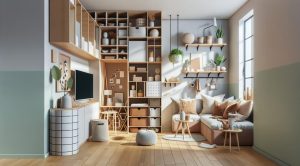
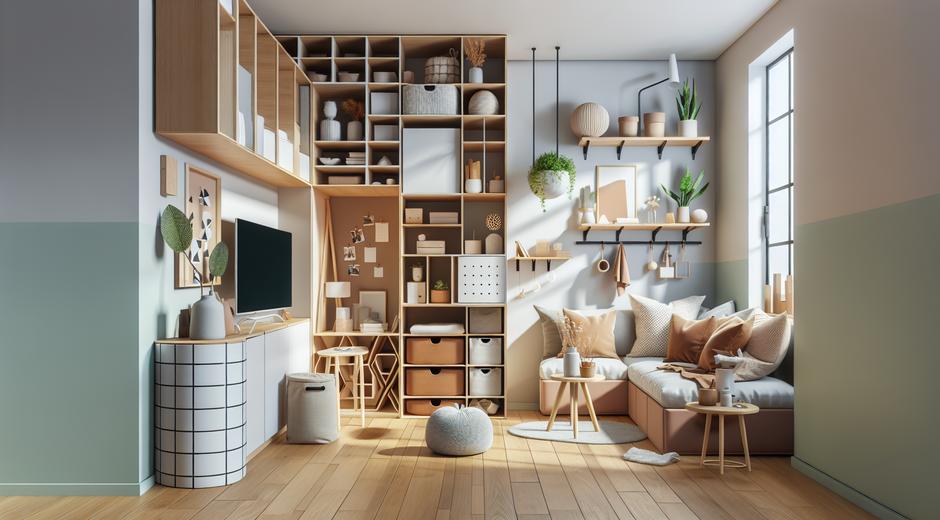
Go vertical when you can. High shelving and tall narrow bookcases draw the eye upward and increase storage without taking additional floor area. When buying storage furniture seek items that can perform more than one role like an ottoman with internal storage or a bench with cubbies underneath.
Storage Solutions That Hide and Show
Smart storage is central to Small Space Styling. Instead of hiding everything away think about layers. Keep everyday items accessible and store seasonal or rarely used items out of sight. Use baskets and boxes to group related items so surfaces stay neat. Transparent containers can work in closets and pantries but for living areas choose containers that match your color palette so storage contributes to aesthetics.
Consider open shelving for curated displays and closed cabinets for practical storage. When arranging shelves balance books with decorative objects and a touch of greenery to avoid visual overload.
Color Light and Texture
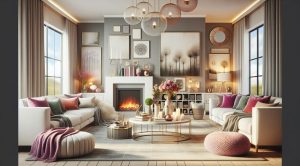
Color choices influence how spacious a room feels. Light tones on walls and ceilings reflect light and open the space. That does not mean the palette must be bland. Introduce depth with accent colors through soft furnishings art and accessories. A single bold accent wall or a colorful rug can provide personality without shrinking the room when balanced with neutral surfaces.
Layer texture to add warmth and tactile interest. A soft rug a woven throw and a mix of metallic and natural finishes create contrast and richness. Textures help define zones and make compact spaces feel inviting and lived in.
Lighting Strategies for a Brighter Feel
Lighting transforms perception. Start with ambient light then add task and accent layers. Under cabinet lighting in a kitchen and adjustable reading lamps near seating are functional and space efficient. Use mirrors to amplify natural light and to create the illusion of depth. A well lit space signals cleanliness and comfort and supports Small Space Styling goals.
Layout Tips That Improve Flow
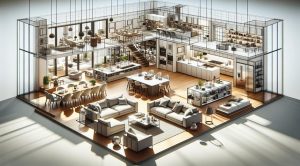
Define clear pathways and avoid blocking movement with furniture. Floating a sofa away from walls can sometimes improve circulation and create a sense of space when done deliberately. Use rugs to anchor zones and reinforce separation between work and rest areas. When arranging furniture think about sight lines. Keep larger furniture away from the entrance to avoid crowding the first impression of the room.
Smart Decorating Without Overcrowding
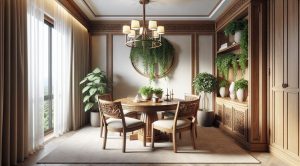
Less is often more in compact interiors. Choose a few impactful pieces rather than many small items that create visual noise. Artworks should be scaled to wall size. A single large painting can make a stronger statement than a cluttered gallery of small frames. Plants add life and oxygen and work well in corners or on shelves. Use a mix of heights for interest but avoid overwhelming narrow surfaces.
Flexible Solutions for Changing Needs
Design for adaptability. Storage boxes on wheels can move with you. Folding tables store flat when not in use. Modular seating can be rearranged as needs change for a gathering or a movie night. Multifunctional solutions let one room serve many roles which is a core idea in Small Space Styling.
Sustainable Choices and Product Picks
Choosing durable and sustainable materials is smarter for small homes. Sustainable products often offer better longevity so replacement is less frequent. If you want eco friendly storage and decor options check trusted suppliers that focus on responsible sourcing. For an example of products that align with sustainable living visit Ecoglobalo.com to explore items that can support a compact eco friendly home.
Maintenance and Seasonal Refresh
A tidy home reads as larger. Establish simple daily habits to keep clutter at bay such as a daily five minute tidy and a weekly reset where you return items to their homes. Seasonal edits help you reassess what is essential and what can be donated or stored elsewhere. Rotating textiles with the season updates the mood without a full redesign.
Staging Small Spaces for Sale or Rent
If you plan to list a property staging becomes part of your Small Space Styling plan. Neutral fresh walls and minimal personal items allow potential buyers or renters to imagine themselves in the space. Maximize natural light and maintain clear sight lines in photos. Highlight multifunctional areas like a dining table that doubles as a desk to show flexibility. Professional photos that emphasize light and spaciousness help achieve more interest and better results.
Final Checklist for Successful Small Space Styling
- Prioritize function and pare down to essentials
- Choose multifunctional furniture with the right scale
- Maximize natural light and add layered artificial lighting
- Use vertical space and keep floors visible where possible
- Maintain a cohesive palette and add texture for warmth
- Design storage that is both practical and attractive
- Keep decor simple and impactful rather than busy
Small Space Styling is a skill that pays off every day. By making deliberate choices about furniture lighting storage and color you create a compact home that feels spacious calm and uniquely yours. Use these strategies as a starting point and adapt them to your lifestyle needs. For more design ideas and property resources head to metropropertyhomes.com and keep experimenting until your small space feels just right.