

Smart Renting A Complete Guide to Savvy Leasing Choices
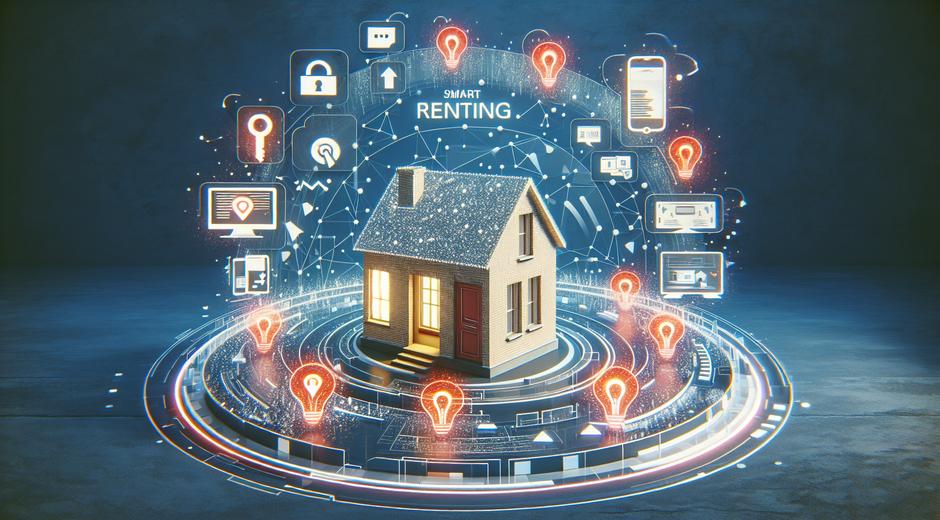
Smart Renting is more than a catch phrase. It is a strategic approach to finding and maintaining a rental home that fits your budget your lifestyle and your future goals. Whether you are a first time renter or an experienced tenant looking to improve your renting experience smart planning will help you save money reduce stress and enjoy a higher quality of life in your rental property.
Why Smart Renting Matters
Renting is a major part of modern living. A smart renting strategy helps you avoid common pitfalls such as overspending on rent signing unfavorable lease terms and facing unexpected repair costs. Smart Renting focuses on three core principles research negotiation and long term planning. By applying these principles you not only protect your finances you also position yourself to take advantage of better housing opportunities as they arise.
Do Your Homework Before You Sign
Research is the foundation of Smart Renting. Start by listing your must have features and nice to have amenities. Consider commute times nearby services and safety. Use online platforms local listings and community groups to compare prices for similar properties in the target area. Look for patterns in pricing and seasonality to identify the best time to lease. A well researched approach gives you stronger bargaining power during negotiation.
How to Evaluate a Rental Listing
When reviewing a listing check the following items carefully. Confirm the exact location and look for proximity to public transit grocery stores parks and schools. Ask about utilities which ones are included and which ones you will pay separately. Inspect the lease length renewal terms and any rules about pets subletting or modifications. Request photos or an in person tour and verify that heating cooling and plumbing are in good working order. A clear checklist makes it easier to compare options and avoid surprises after move in.
Negotiate Like a Pro
Smart Renting includes negotiation. Landlords often expect renters to ask for concessions or clarifications. If you have good credit steady income and strong references use those positives to request a better rate or improvements before signing. Consider offering a longer lease in exchange for a lower monthly payment or ask for a clause that allows for early exit under certain conditions. Negotiation is a two way street. Be polite firm and ready to walk away if terms do not meet your needs.
Smart Budgeting for Rent and Related Costs
Rent is one part of your housing cost. Smart Renting requires accounting for security deposit moving expenses renter insurance and ongoing utility bills. Create a monthly budget that includes an emergency buffer for repairs or unexpected costs. If a property requires a higher upfront payment ask if the landlord can spread certain fees over several months. This can make a quality property more accessible without harming your cash flow.
Understand Lease Terms and Legal Protections
Before signing read the lease thoroughly. Pay attention to clauses related to deposit refunds maintenance responsibilities and notice periods for ending the lease. Know your local tenant rights which vary by city and state and protect you from unlawful eviction or unfair fees. If anything in the lease is unclear request a written clarification. For added security you may want to document the condition of the property with photos and a signed move in checklist.
Maintenance Communication and Relationship Building
Smart Renting includes building a constructive relationship with your landlord or property manager. Report issues promptly follow up in writing and keep records of communication. Tenants who are respectful and proactive often receive faster responses and more goodwill when requesting repairs or seeking flexibility. Timely maintenance reports help prevent small problems from becoming costly damage.
Maximize Value Without Breaking Rules
You can enhance the comfort and value of your rental within the bounds of your lease. Simple improvements such as energy efficient bulbs smart thermostats that do not require hard wiring and organizational upgrades can make a big difference. Use removable solutions when possible so you can restore the unit to its original condition when you move. Always ask permission for any permanent change and offer to restore the space if needed.
When to Walk Away
Smart Renting also means recognizing when a property is not a good fit. If the landlord refuses reasonable repairs demands excessive fees or violates your rights consider moving on. A clearly documented history of issues helps if you need to escalate matters to a tenant board or legal advisor. Protecting your financial and personal well being can be worth a short term inconvenience of finding a better property.
Tools and Resources for Smart Renters
Leverage online tools to compare listings analyze neighborhoods and check crime and school data. Industry blogs local forums and social media groups can provide real life feedback from current residents. For regional listings and market insights visit resources that aggregate properties and offer guides for renters. For example you can explore local listings and tips at metropropertyhomes.com which provides a wide range of property categories and practical advice for market aware searchers.
Design and Lifestyle Tips for Rented Spaces
Creating a comfortable aesthetic in a rental does not require major changes. Focus on furniture layouts that improve flow layered lighting area rugs and curtains that soften the space and removable wall treatments to add personality. For inspiration trending ideas and style guides that work in rented homes see lifestyle publications and creative blogs for renters. One recommended source for style guides and practical decor ideas is StyleRadarPoint.com which highlights renter friendly solutions that look polished and remain reversible.
Smart Renting and Sustainable Choices
Sustainability is a growing priority. Small changes like using low flow fixtures smart power strips and recycling systems can reduce waste and utility costs. When possible choose properties with energy efficient appliances which lower monthly expenses and improve comfort. If sustainability is a priority mention it during your search. Many landlords appreciate tenants who care for the property and may be willing to share the cost of an upgrade when it reduces long term expenses.
Planning for the Future
Smart Renting is not just about the present. Think about your long term goals. If you plan to stay for a few years seek a lease that offers stability and predictable increases. If you expect to move sooner aim for flexibility. Keep records of rental payments and agreements which can strengthen your profile for future landlords or mortgage lenders. Smart renters treat each lease as a step toward their next housing goal whether that is saving for a larger place building credit or relocating for work.
Final Checklist for Smart Renters
Use this checklist to stay focused during your search. Verify the exact address and compare it to local market rates. Confirm which utilities are included and which are separate. Read and ask about key lease terms and legal obligations. Document the move in condition and keep a record of maintenance requests. Budget for upfront costs and monthly expenses and maintain a relationship with your landlord through respectful clear communication. These steps make renting a manageable reliable part of your life plan.
Smart Renting empowers you to make informed choices that balance cost comfort and long term goals. By researching comparing negotiating and maintaining a proactive relationship with your landlord you can turn renting into a strategic advantage. Use available online resources local expertise and the practical tips in this guide to find and keep a rental that supports your lifestyle and financial well being.