

Urban home personalization
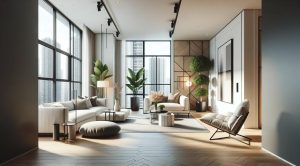
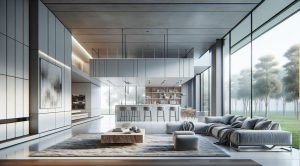
Urban home personalization is how city dwellers transform compact spaces into expressions of their lifestyle and taste. In dense neighborhoods every square meter matters. Thoughtful personalization boosts comfort and function while creating a space that feels truly yours. This article explores practical strategies and inspired ideas to personalize urban homes with style and lasting value.
Why urban home personalization matters
Personalization does more than improve aesthetics. It increases daily comfort, supports wellbeing, and can improve property appeal when you decide to move. Urban homes often face constraints such as limited floor area, shared walls, and fixed layouts. Personalization allows you to work with those constraints rather than against them. By tailoring storage solutions, lighting, color and furniture you can create an efficient sanctuary that reflects your personality.
Start with a plan
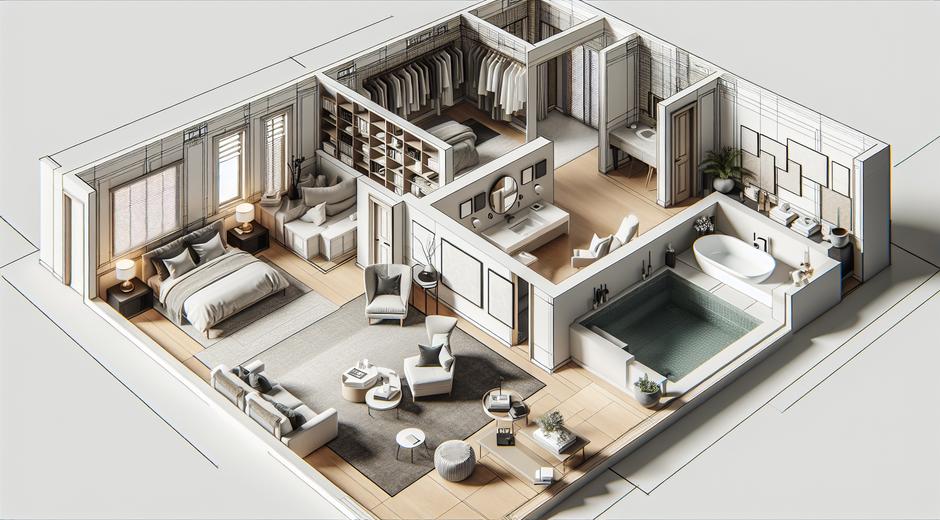
Successful personalization begins with a clear plan. Assess how you live in the space. Are you a remote worker who needs a quiet corner? Are you a collector who needs display shelving? Make a list of priorities and identify problem zones. Work from high impact items first. Changes to color and lighting create immediate atmosphere. Smart storage solutions free up floor area. Investing in custom furniture yields long term advantages in fit and durability.
Make small space storage feel seamless
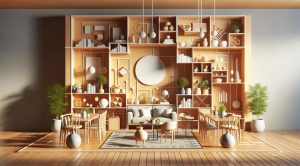
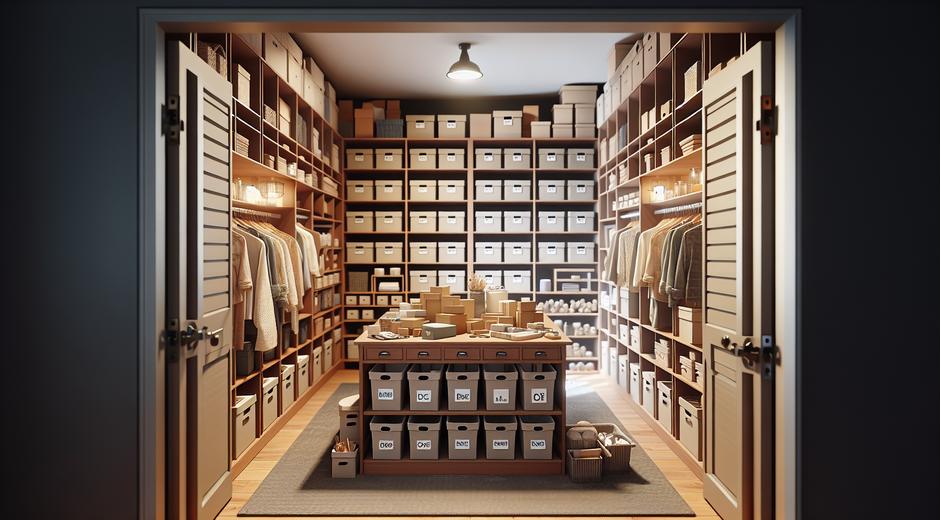
Urban home personalization often hinges on clever storage. Built in shelving and multi use furniture reduce clutter while preserving visual calm. Choose units that integrate with your wall color so they read as part of the architecture. Under bed storage boxes, ottomans with internal compartments and floating shelves can add capacity without crowding. Design storage to complement daily routines. Keep everyday items within easy reach and seasonal items tucked away. This simple approach improves flow and supports a personalized order.
Use color and texture to define zones
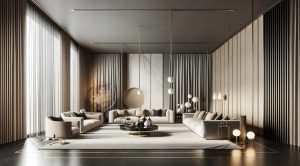
Color is an efficient tool to personalize urban homes. In open plan layouts define zones with paint, wallpaper or textured finishes. A soothing palette in the bedroom promotes rest. A vibrant accent wall or patterned rug can anchor a living area. Textiles such as curtains, cushions and throws add depth and can be changed with seasons. Materials matter. Natural materials like wood and stone introduce warmth while metallic accents add urban sophistication. Thoughtful layering of color and texture makes small spaces feel intentional and curated.
Lighting that adapts to mood and task
Good lighting lifts design and improves function. Urban home personalization should include layered lighting. Combine ambient light with targeted task lighting and accent lights. Table lamps create intimacy. Adjustable wall lights free up surface space. LED strips under kitchen cabinets improve cooking safety. Dimmable fixtures help shift atmosphere from productive to relaxed in seconds. Natural light is a premium in city homes. Use sheer curtains to maintain privacy while maximizing daylight and position mirrors to amplify light into darker corners.
Choose furniture that fits the plan
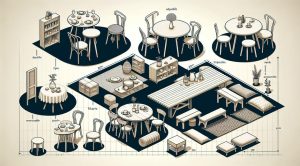
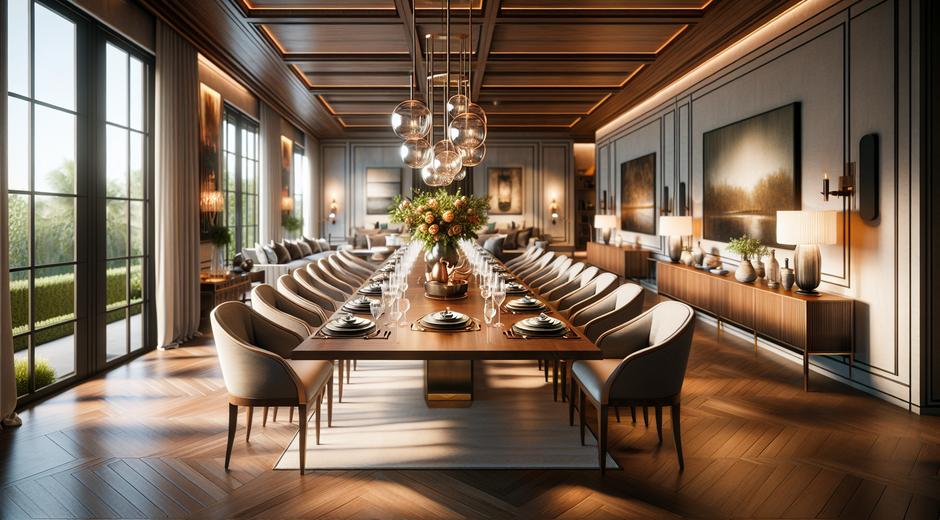
Furniture selection is a core personalization choice. In urban homes prioritize scale over trends. Bulky pieces overwhelm. Look for slim profile furniture that provides storage or multi function use. Folding tables and extendable dining surfaces allow flexibility for guests. Bespoke pieces tailored to your dimensions can optimize odd nooks and window seats. When budgeting consider the lifecycle of each purchase. A well made sofa or bed will outperform cheaper alternatives in comfort and longevity.
Integrate technology for comfort and efficiency
Smart home devices can be personalized to your routines. Automated lighting scenes, smart thermostats and compact air purifiers improve comfort and energy efficiency. Voice control can simplify tasks in busy households. For renters choose portable solutions that require minimal installation. Technology should be used to support living patterns not to complicate them. A small investment in smart controls can yield consistent quality of life improvements in a city home.
Bring nature inside
Biophilic touches connect urban living to the natural world. Houseplants refine air quality and soften hard edges. A vertical planter or a selection of potted herbs makes use of vertical wall space. Natural fiber rugs and wooden accents add warmth and tactile contrast. Even small windowsills can host succulents that require minimal care. Plants are an accessible way to personalize a home and introduce a living element that evolves with your care.
Personalize with art and meaningful objects
Art and meaningful objects tell your story. In compact urban homes choose a few statement pieces rather than filling every surface. A well framed print, a curated shelf of books and objects or a gallery wall with consistent framing can create cohesion. Rotate pieces seasonally to keep the environment fresh without clutter. Personal collections gain visual importance when paired with intentional lighting and negative space.
Textiles and soft finishes
Textiles are an easy route to refresh an urban home. Rugs help define zones and provide sound absorption. Curtains add privacy and frame windows. Bedding, cushions and throws are affordable and replaceable ways to experiment with color and pattern. Select durable fabrics for high traffic areas. A consistent palette across textiles ties disparate spaces together and creates a unified look.
Adopt flexible and multifunctional design
Flexibility is the heart of urban home personalization. Plan furniture and layouts that adapt to different uses. A studio apartment can transform into a home office or an entertaining space with modular components. Fold away beds and room dividers deliver privacy without permanent walls. Think about future needs as well. Designing spaces that evolve with your lifestyle prevents early obsolescence and preserves value.
Work with professionals when needed
Some personalization projects require specialist skills. For structural changes consult qualified architects and contractors. For bespoke joinery consider experienced carpenters and designers. Professional advice helps avoid costly mistakes and ensures compliance with local regulations. When selecting trades people look for portfolios and client references. Trusted resources can streamline projects and deliver quality finishes that match your vision. For specialized furnishings and repairs visit resources such as Fixolix.com to find options that support customization and maintenance.
Keep resale value in mind
While personalization should reflect your taste it is wise to avoid extreme changes that limit appeal to future buyers. Neutral base finishes combined with personal touches allow a gently personalized home that can be adapted for resale. Invest in quality finishes for kitchens and bathrooms. These elements often determine market value in urban properties. Smart personalization can increase desirability by improving functionality and visual appeal.
Practical steps to get started today
Begin with these practical steps. Clear clutter and assess storage needs. Create a mood board of colors and materials. Identify one area to improve within a set budget. Test small changes such as a new lamp or cushion covers before committing to larger investments. Seek inspiration from curated property sites and city living guides. For comprehensive property ideas and listings consider exploring metropropertyhomes.com as a starting point for urban home inspiration.
Conclusion
Urban home personalization is an intentional process that blends aesthetics with function. By planning thoughtfully, prioritizing flexible solutions and integrating elements that reflect your personality you can transform a compact city space into a personal retreat. Focus on storage, lighting and materials that enhance daily life. Use art, plants and textiles to add character. When larger changes are needed engage professionals to ensure lasting quality. With the right approach urban homes can be both efficient and deeply personal places to live.