

Urban Interior Planning
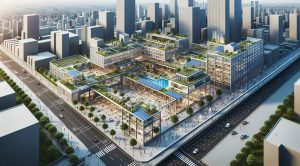
Urban Interior Planning is a strategic process that shapes the way people live work and socialize inside buildings in dense city settings. As cities grow and lifestyles evolve designers planners and property owners must rethink how interior spaces support daily life. This article explores practical principles and creative solutions that make interiors in urban areas comfortable efficient and resilient. It also provides guidance for professionals and homeowners seeking to improve value and livability through thoughtful interior planning.
Why Urban Interior Planning Matters
The role of Urban Interior Planning extends beyond aesthetics. It impacts health productivity sustainability and long term asset value. In dense neighborhoods each square foot is precious. Good planning turns tight footprints into high function spaces that support a variety of activities. It also addresses community needs by creating interior spaces that contribute to safer corridors better circulation and more welcoming shared areas.
Core Principles of Urban Interior Planning
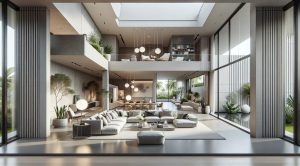
A few core principles should guide any interior planning project in a city context. First prioritize adaptability. City living changes fast and interiors must allow for easy reconfiguration. Use modular furniture and multifunctional fixtures so spaces can evolve from day to night and from private use to social use. Second optimize natural light and views. Good daylighting reduces energy use and boosts mood. Third prioritize circulation and access. Ensure that routes in and out of rooms are clear include accessible design features and plan for smooth transitions between public shared and private areas.
Space Efficiency and Layout Strategies
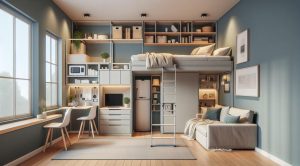
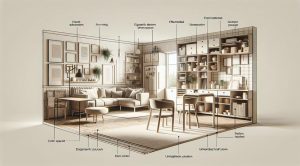
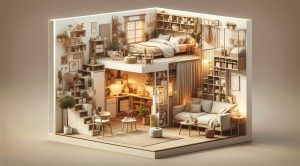
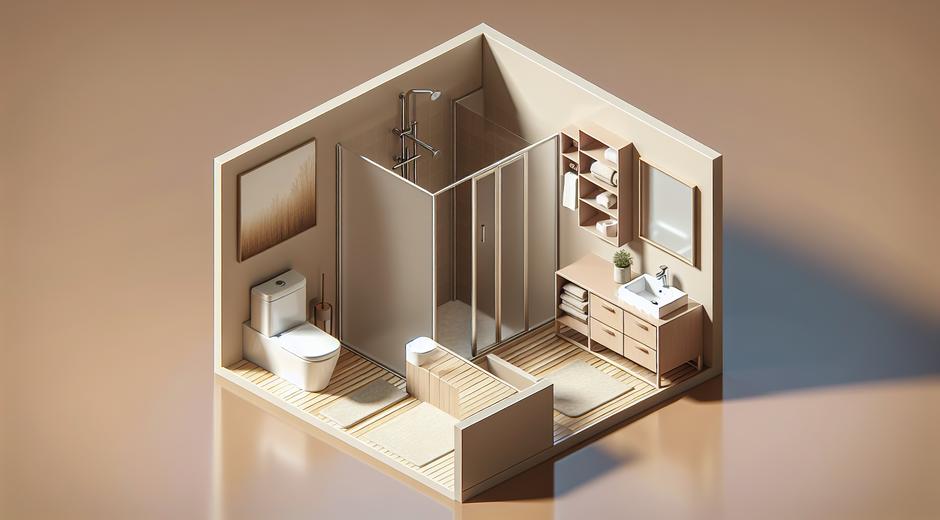
Space efficiency is central to Urban Interior Planning. Designers use several layout strategies to maximize comfort and function. Open plan layouts create a feeling of space while defined zones preserve privacy. Built in storage helps reduce clutter and improve perceived room size. Designers also use vertical space for storage and activity to free floor area for movement. In apartments where square footage is limited consider stackable appliances sliding partitions and integrated seating that doubles as storage.
Materials Lighting and Acoustic Design
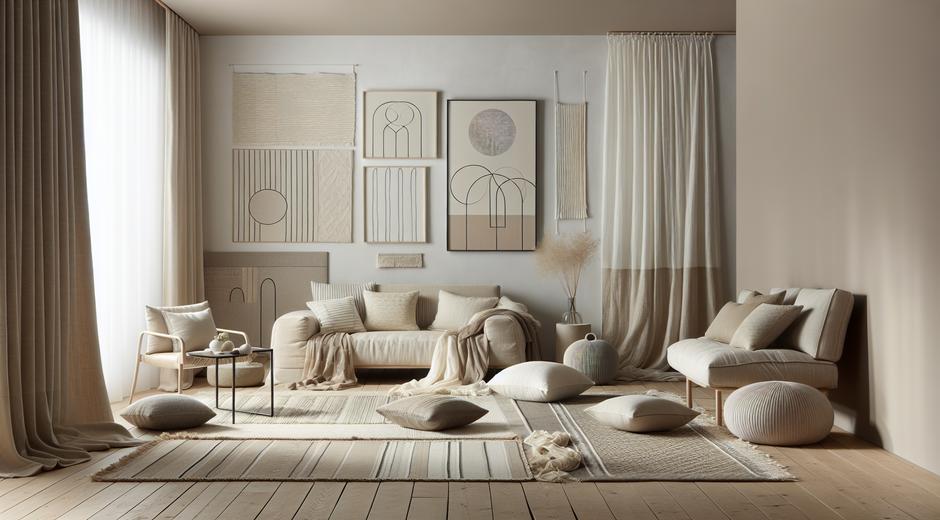
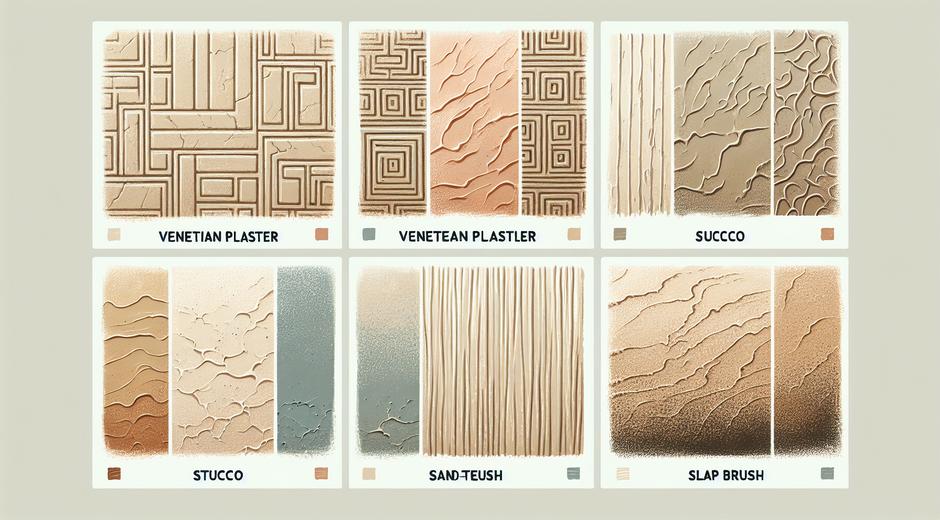
Material choice and lighting design shape both beauty and performance. Select durable finishes that require minimal maintenance and that age gracefully. For lighting combine ambient task and accent sources to support different activities and to reduce glare. Acoustic control is crucial in urban interiors. Use soft surfaces rugs acoustic panels and strategic room arrangement to reduce noise transfer and to protect resident privacy and comfort.
Sustainability and Energy Efficiency
Sustainability is no longer optional for urban interiors. Energy efficient appliances LED lighting thermal insulation and energy saving windows reduce utility costs and environmental impact. Water saving fixtures and low VOC paints improve indoor air quality. Where possible incorporate locally sourced materials to lower transport impacts. Small moves like smart thermostats and timed lighting controls deliver measurable savings when scaled across multiple units in a building.
Technology Integration and Smart Interiors
Technology makes urban interiors more responsive and safer. Integrate smart lighting climate control and security systems that are easy to operate and maintain. Network ready wiring and flexible conduit allow for future upgrades without extensive demolition. Well implemented tech enhances convenience and can increase property appeal to tech minded renters and buyers. Make sure that technology choices respect privacy and that interfaces remain user friendly for all ages.
Designing for Community and Shared Use
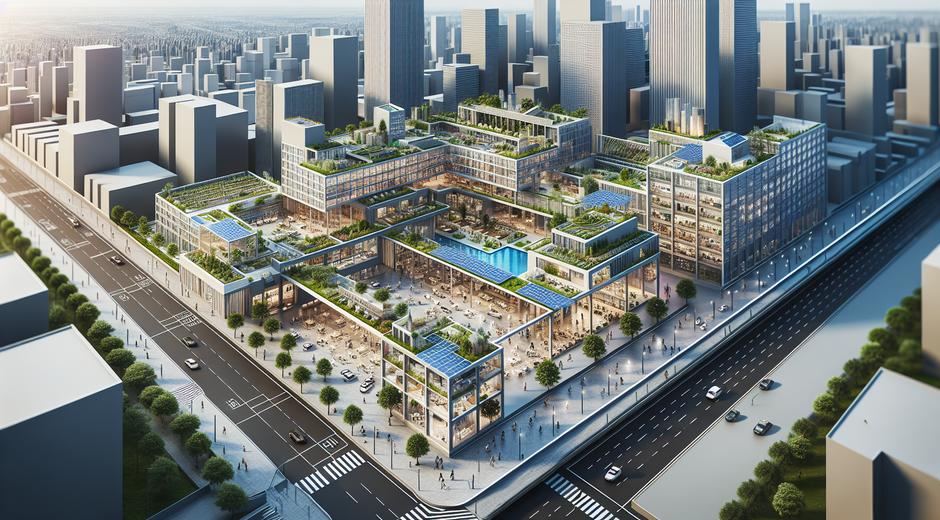
In many urban buildings shared interior spaces create community value. Design inviting lobbies coworking corners and multipurpose rooms that encourage interaction. Provide clear signage and durable furnishings for high use. Thoughtful layout of shared kitchens gyms and play areas helps reduce conflict and supports harmonious living. When planners think beyond individual units and invest in shared interiors they often see higher resident satisfaction and stronger property demand.
Policy Planning and Zoning Implications
Interior planning must align with local policy and building codes. Zoning rules influence permitted uses maximum occupancy and required amenities. Understanding these rules early prevents costly redesigns. Collaboration between interior planners architects and building managers ensures designs conform to fire safety sanitation and accessibility standards. Advocacy for flexible zoning at the local level can create more opportunities for creative interior solutions that serve evolving urban needs.
Case Studies and Examples
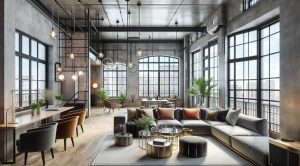
Real world projects show how Urban Interior Planning transforms spaces. A small apartment conversion can become a multifunctional home office and living space with clever storage and dynamic lighting. A converted warehouse can host both living units and coworking hubs when planners prioritize circulation cabinetry and sound control. Successful projects often start with careful observation of user behavior and incremental prototyping to refine layouts before final construction.
Research and Resources
For planners and designers staying current with trends and historical context is essential. Industry reports white papers and archival materials provide evidence based ideas and inspiration. For digital archives and newspaper sources that cover urban design topics consider reputable external resources that compile historical articles and planning documents for reference. One useful place to explore archives and period content is Newspapersio.com which can support research and provide context for local design decisions.
Practical Checklist for Urban Interior Planning
Use this checklist to guide a project from concept to completion. First assess occupant needs and daily routines. Second map sun exposure and noise sources. Third define primary zones and circulation paths. Fourth choose durable finishes and energy efficient systems. Fifth integrate technology and plan wiring pathways. Sixth include flexible furniture and built in storage. Seventh plan for accessibility and safety. Eighth allow for future changes in use. Ninth confirm compliance with codes. Finally document decisions with clear drawings and specifications to support construction and facility management.
Marketing and Value Creation
Well planned interiors add measurable value to urban properties. Buyers and renters notice quality finishes functional layouts and modern amenities. Present interiors with clear photography floor plans and virtual tours to highlight how each area works for daily life. For those listing properties online consider linking project summaries and interior plans to your main site for easier discovery. To showcase property offerings and to drive traffic consider adding listings and detailed interior descriptions to a central site like metropropertyhomes.com where visitors can explore options and contact agents directly.
Conclusion
Urban Interior Planning is a powerful tool for improving the quality of city living. Through thoughtful layout selection material choices sustainable systems and technology integration designers can create interiors that are efficient beautiful and responsive to shifting needs. Whether you are planning a small apartment renovation a large residential conversion or an office retrofit these principles will help you deliver spaces that perform well now and remain adaptable for the future. Start with clear goals involve stakeholders early and use iterative design to refine solutions that maximize comfort and value in urban settings.