

Urban Living Interiors
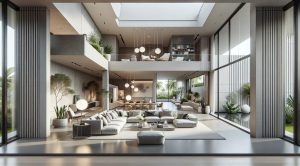
Urban Living Interiors is more than a design trend. It is a lifestyle choice that blends efficient use of space with elegant aesthetics to meet the needs of modern city dwellers. Whether you live in a compact apartment or a roomy loft, the principles of Urban Living Interiors help you create spaces that feel open calm and purposeful. This article explores practical strategies materials and layout ideas that transform city homes into comfortable sanctuaries while boosting resale value and livability.
Why Urban Living Interiors Matter
As populations grow in metropolitan areas the way people live and work changes. Urban homes must adapt to provide multiple functions in limited footprints. Urban Living Interiors focus on creating flexible spaces that support remote work social gatherings restful sleep and efficient daily routines. Thoughtful interior design not only improves daily life but also enhances property appeal for prospective buyers and renters. When you invest in smart design you invest in long term comfort and marketability.
Key Principles of Urban Living Interiors
Successful Urban Living Interiors follow several core principles. First create a clear layout that reduces clutter and improves flow. Second choose furnishings that are multi functional and proportional to the space. Third use color light and texture to expand perceived space and create mood. Finally integrate storage solutions that are both stylish and unobtrusive. By applying these principles you can make even a small apartment feel organized welcoming and versatile.
Space Saving Strategies for Urban Homes
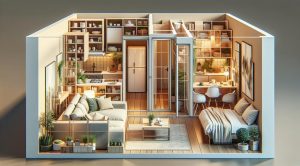
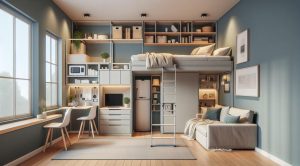
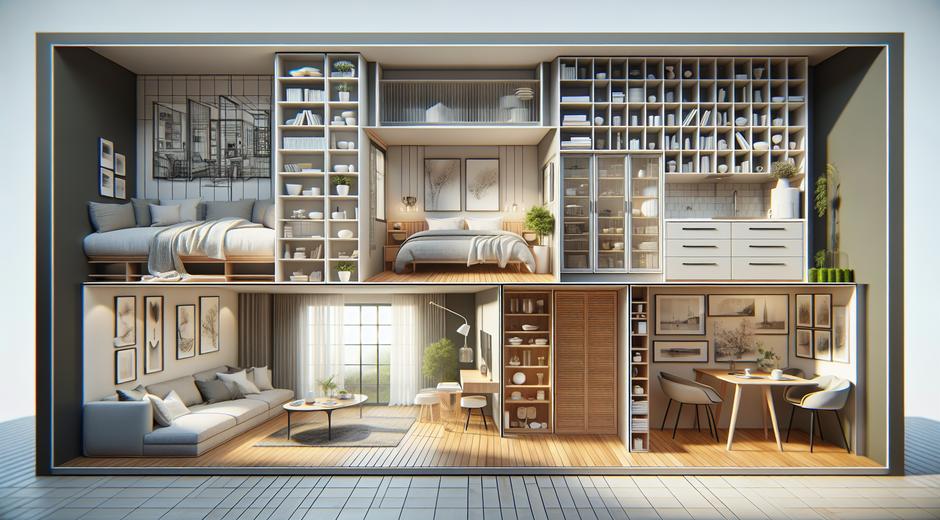
Space is a premium in city living. Smart storage and flexible furniture turn tight quarters into efficient living zones. Consider built in storage around a bed or sofa to maximize vertical space. Use floating shelves and modular systems that can be reconfigured as needs change. Fold away desks and tables create work and dining areas when needed and disappear when not in use. Rugs and area treatments define zones without adding visual bulk which keeps the room feeling open.
Furniture and Layout Ideas
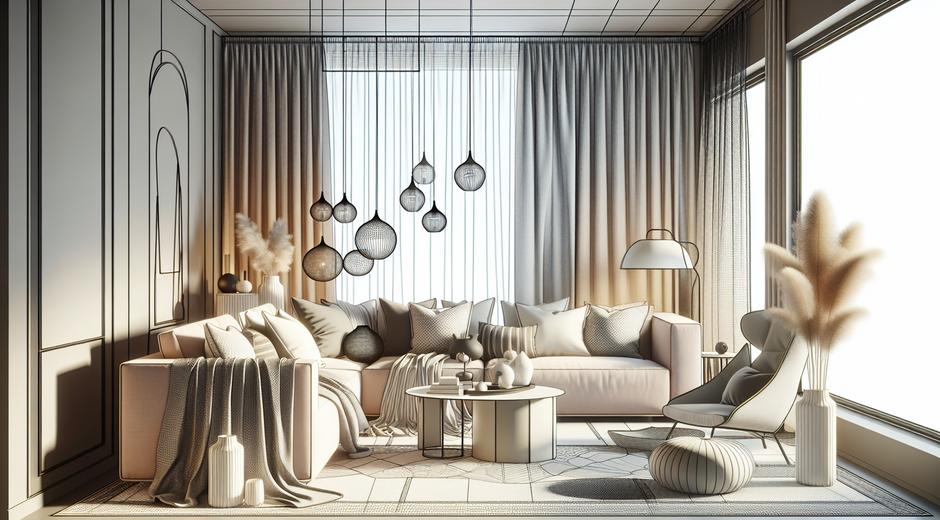
Select furniture that is scaled to the room. Bulky pieces overwhelm small rooms while delicate pieces get lost in large spaces. Opt for pieces with exposed legs to keep sight lines open and maintain a sense of airiness. Modular sofas can be rearranged for movie nights gatherings or a quiet reading corner. Multipurpose units such as benches with storage or ottomans that double as coffee tables add utility without sacrificing style. Place larger furniture along walls to keep pathways clear and use rugs to anchor conversation areas.
Materials and Finish Choices
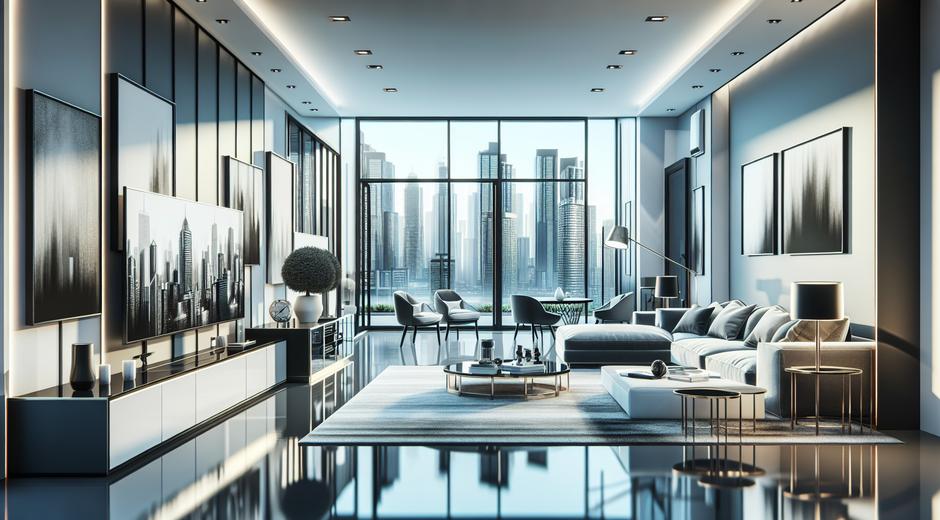
Material selection shapes the tactile and visual experience of urban interiors. Use durable finishes for surfaces that see heavy use such as kitchen counters and worktops. Light reflecting surfaces like glass lacquer and polished stone help amplify natural light which is often limited in city dwellings. Warm textures such as wood woven textiles and natural stone add balance and invite touch. When selecting flooring consider continuity between rooms to create a harmonious flow through the home.
Lighting and Color for Urban Spaces
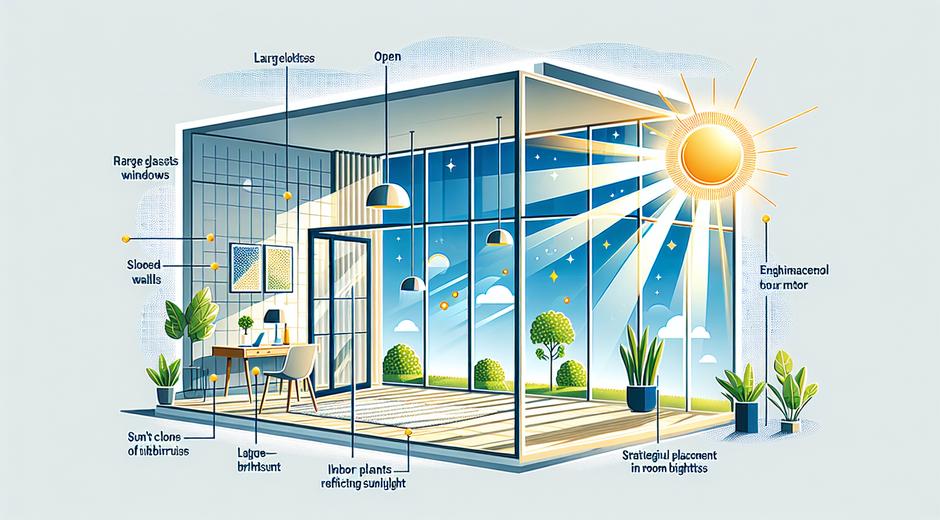
Good lighting transforms interiors. Combine ambient task and accent lighting to create layers that support different activities. Recessed fixtures and track systems deliver general illumination while table lamps and wall lights handle focused tasks. Accent lighting highlights art and architectural features. Color choices impact perception of space and mood. Neutral palettes with thoughtful pops of color feel timeless and adaptable. Use lighter tones to visually expand small rooms and deeper hues to create cozy intimate areas.
Bringing Nature into City Homes
Biophilic elements connect residents to nature which reduces stress and improves wellbeing. Introduce houseplants that thrive indoors to bring life and improve air quality. If space allows create a small balcony garden or a window herb garden for fresh flavor in your cooking. Natural materials and botanical art also support a connection to nature in areas where large plants are not feasible. Even a single statement plant can change the mood of a room and make the interior feel more vibrant.
Sustainable Urban Interiors
Sustainability is central to modern Urban Living Interiors. Choose materials with low environmental impact and prioritize products with long lifespans. Energy efficient lighting and appliances reduce utility costs and carbon footprint. Reclaimed wood and second hand furniture add character and reduce waste. Plan for longevity by selecting timeless pieces that can adapt to changing tastes and functions. Small sustainable choices have a big cumulative impact in a densely populated setting.
Smart Technology Integration
Technology enhances comfort and efficiency in urban homes. Smart thermostats and integrated lighting systems optimize energy use and create personalized schedules. Wireless speakers and smart home hubs simplify entertainment and connectivity. When integrating technology keep the design clean by hiding wires and using compact devices that complement the interior. Smart solutions should feel seamless and add convenience without intruding on the aesthetic.
Creating a Personal Urban Retreat
Urban Living Interiors are not only about efficiency they are about creating a place you love. Personal touches tell your story and make a house feel like a home. Curate a small gallery wall with framed memories integrate textiles that reflect your tastes and choose a few meaningful accessories that spark joy. Designate a quiet nook for reading or meditation to ensure your home supports rest and restoration. Balance communal and private areas so your space works for social life and solitude.
How to Start Your Urban Interior Project
Begin with a clear plan. Assess how you use each room and identify priorities such as storage seating or workspace. Set a realistic budget and phase improvements to spread cost over time. Work with local professionals or DIY where you have skills. For inspiration and to find properties that match a design vision visit metropropertyhomes.com to explore listings and ideas. For curated furnishings and decor options that suit urban interiors check resources like Chronostual.com which offers inspiration and products suited to compact living situations.
Final Thoughts
Urban Living Interiors enable high quality living in compact footprints. By focusing on space planning material choice lighting and personal comfort you can create a home that is both functional and beautiful. Embrace flexible solutions prioritize durability and inject personality to craft a city home that supports your lifestyle. Thoughtful design turns constraints into opportunities and creates a setting where everyday life feels easier more efficient and more enjoyable.