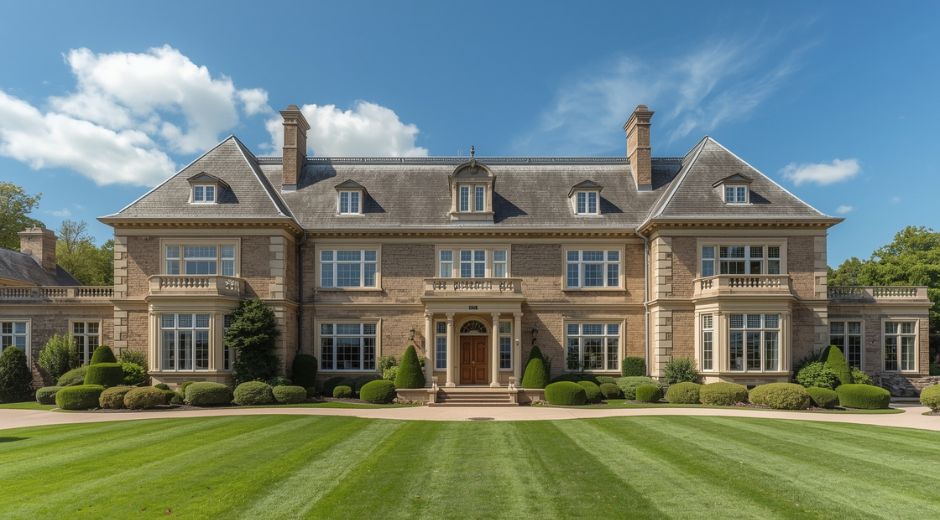


Historic Luxury Homes: Preserving Style & Comfort Now
Historic Luxury Homes: Preserving Style & Comfort Now
There is a special kind of elegance found in homes that carry the memory of another era. A Historic luxury home is more than a place to live. It is a reflection of culture, craftsmanship, and design ideals that continue to inspire admiration today. Many homeowners choose a Historic residence not only for its architecture, but for the presence and character that simply cannot be replicated in modern construction. Yet to live comfortably in such a home, thoughtful upgrades and sensitive restoration are essential.
Living in a Historic home requires a balanced approach, one that honors the past while embracing the best aspects of modern life. This guide explores how to restore, personalize, and rejuvenate a Historic luxury property without compromising the charm that makes it unique. For ongoing inspiration and refined living guidance, you may explore:
https://metropropertyhomes.com
The Lasting Value of a Historic Home
What sets a Historic luxury property apart from a newer build is the sense of artistry and intention behind every detail. Many of these homes include handcrafted wooden trim, detailed plasterwork, stone fireplaces, grand staircases, tall windows, and layout proportions that feel majestic and meaningful. These design elements tell the story of a moment in architectural history and offer a level of texture and depth that mass-built modern structures rarely achieve.
However, appreciating a Historic home does not mean preserving every element unchanged. The goal is to identify which features define the spirit of the home. These often include flooring materials, ceiling treatments, built-in cabinetry, original doors, and exterior façade details. Knowing what is worth saving and what can be upgraded ensures that restoration supports legacy rather than erasing it.
Working with an architect or designer experienced in Historic properties can help ensure that any changes feel seamless. Restoration is not about imitation. It is about respect.
Modern Comfort in a Legacy Setting
Luxury living today includes comfort, convenience, wellness, and efficiency. Many Historic homes were built before central heating, updated plumbing, layered lighting, or smart home systems. Bringing in these upgrades requires creativity.
Air conditioning and heating systems can be integrated discreetly, typically through attic spaces, flooring systems, or low-profile vents. Wiring for lighting, audio, and smart controls can be installed along trim lines or behind plaster repairs so the original surfaces remain largely untouched. When updating bathrooms or kitchens, the key is to maintain visual continuity while improving function.
For example, a kitchen can feature marble countertops, polished brass hardware, and natural wood cabinetry, blending modern usability with the aesthetic language of the original home. Bathroom spaces, meanwhile, can be elevated with rainfall showers, soaking tubs, and natural stone while maintaining a warm, classic atmosphere.
The objective is not to disguise the updates, but to make them feel like they belong.
Choosing Materials that Support Authentic Style
The material palette is central to maintaining the integrity of a Historic luxury home. Natural wood, stone, tile, brick, iron, velvet, and linen age beautifully and are consistent with heritage timelessness. Synthetic finishes, extreme glosses, or overly contemporary hardware can feel incompatible.
Replacing damaged floors with reclaimed wood instead of manufactured panels preserves the continuity of surfaces. Selecting stone countertops instead of engineered composites maintains textural authenticity. A curated selection of furnishings can also elevate the environment. Modern pieces with soft lines and natural textures pair beautifully with traditional rooms. For refined, minimal furniture that complements both past and present, browsing selections at:
https://www.ikea.com/
can offer functional inspiration, especially when balanced with antique or bespoke elements.
Color also plays a significant role. Soft neutrals, muted earth tones, and gentle warm shades highlight architecture instead of overwhelming it. The result should feel intentional, not theatrical.
Bringing Wellness into a Historic Home
Today’s luxury homes place emphasis on well-being. This aligns naturally with the warm atmosphere of Historic interiors when approached thoughtfully. Sunlight, plants, natural materials, comfortable textiles, and layered lighting support emotional calm.
Many homeowners create meditation corners, reading nooks, home spas, or tea rooms within their Historic spaces. These small zones of restoration balance the complexity of older architecture with the softness required in daily modern living.
Lifestyle enhancements and wellness-oriented home routines may be explored at:
https://bodywellnessgroup.com/
A well-loved home should nourish the senses, not simply impress the eyes.
Outdoor Spaces and Landscape Continuity
Outdoor areas are an extension of the home’s architectural identity. Gardens, terraces, balconies, fountains, stone pathways, and courtyards often hold equal importance in Historic luxury homes. When renovating outdoor spaces, the landscaping should echo the original architectural mood.
An estate with classical proportions may suit symmetrical gardens and sculpted hedges. A villa may call for terracotta pots, climbing vines, olive trees, or wrought iron details. A traditional residence may benefit from layered greenery, wooden benches, and quiet garden seating. These environments extend the emotional life of the home beyond its walls.
Honoring the Past While Living Fully in the Present
-
The goal in restoring a Historic luxury property is not to freeze it in time. It is to allow it to evolve gracefully. The essence of the home remains, but the experience of living within it becomes richer, more comfortable, and more intentional.
Luxury in this context is not only beauty. It is belonging. It is the feeling that your home holds your history and the history of many who came before, creating a sense of continuity that is deeply human.
Conclusion
A Historic luxury home is both legacy and lifestyle. It invites stewardship rather than ownership. Restoration becomes a dialogue between past and present, craftsmanship and innovation, memory and daily life. When approached with sensitivity, respect, and creativity, these homes do more than endure. They flourish.
In preserving character while enhancing comfort, you are not just maintaining a building. You are shaping a living work of art.

Easy steps to Luxury


Rental Decor Ideas Without Permanent Changes
Rental Decor Ideas Without Permanent Changes

Declutter Methods That Improve Space and Mental Comfort
Declutter Methods That Improve Space and Mental Comfort

Home Maintenance Tasks Every Owner Should Schedule
Home Maintenance Tasks Every Owner Should Schedule